ISA Agronomy Farm Field Day
Join us for an Agronomy Farm Field Day on Thursday, July 16th at the ISA Agronomy Farm.

Join us for an Agronomy Farm Field Day on Thursday, July 16th at the ISA Agronomy Farm.
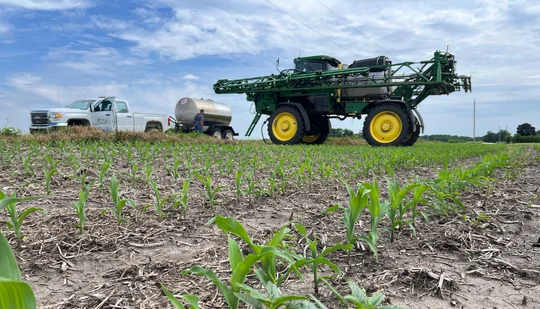
ISA Outreach Agronomist Stephanie Porter shares best practices for Glufosinate application based on new research from the University of Illinois.
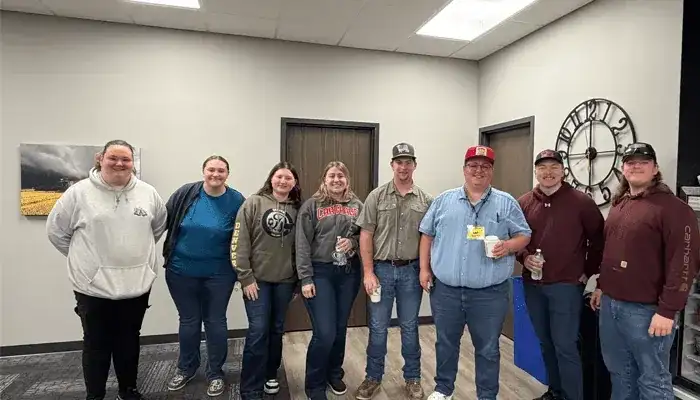
Jamee Milliken shares how stepping into the ISA Mentorship Program with no agricultural background led her to unexpected personal growth and lessons in leadership and integrity.
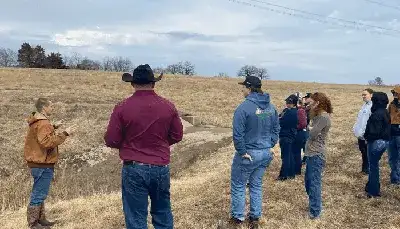
Sara Bourland highlights how the Growing Careers in Agriculture Mentorship Program introduced her to careers in agriculture and strengthened her path toward becoming an agriculture educator.
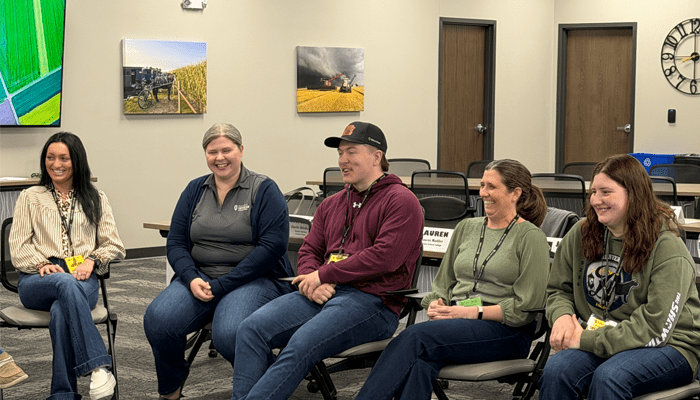
Bobby Shaffer spotlights how the ISA mentorship program gives students a fun, friendly way to explore major ag companies, learn from great mentors and build real connections.
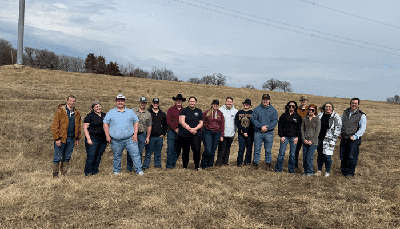
Rosemarie Long shares how ISA's mentorship program didn’t just broaden her view of agriculture—it helped her discover her place in it.
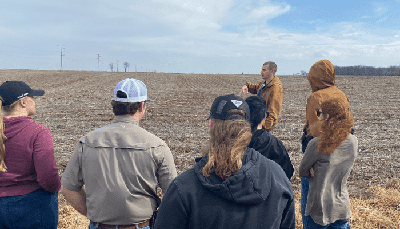
Levi Magee shares how the ISA mentorship program helped him turn his love of dirt into a future in soil conservation with the NRCS.
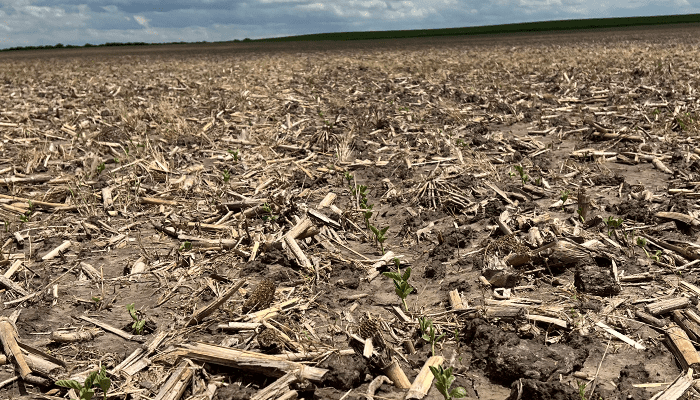
Stephanie Porter breaks down what Illinois field data shows about the factors driving early soybean herbicide injury.
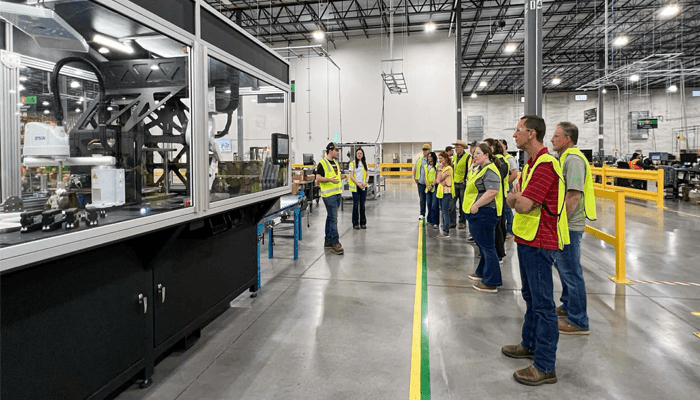
Emma Wyman shares how ISA's mentorship program broadened her understanding of the diverse and innovative career paths shaping today’s agriculture industry.
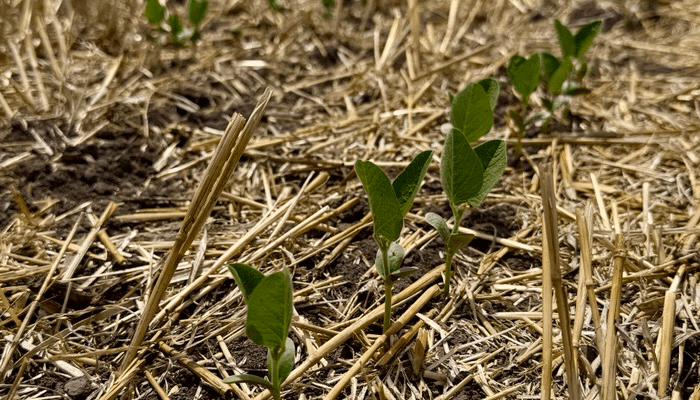
IL Soy Envoy Tim Laatsch explains how to maximize yield potential when double‑cropping soybeans after winter wheat in a shortened Illinois growing season.
Sign up to receive our newsletter for up-to-date news and offers directly in your inbox:

The Illinois Soybean Association (ISA) checkoff and membership programs represent more than 43,000 soybean farmers in Illinois. The checkoff funds market development, soybean production and government relations efforts, while the membership program, Illinois Soybean Growers (ISG) and the Illinois Soybean Growers PAC actively advocates for positive and impactful legislation for farmers at local, state and national levels. ISA upholds the interests of Illinois soybean farmers through promotion, advocacy, research and education with the vision of becoming a trusted partner of Illinois soybean farmers to ensure their profitability now and for future generations.
© 2026 Illinois Soybean Association
 and then