
While most farmers are rolling with corn harvest, bean harvest is starting to pick up as well. As of September 28, 21% of the bean acres in the state have been harvested (USDA-NASS). Rains that hit the northern half of the state this week may have given farmers a short break but won’t keep them out of the field long.
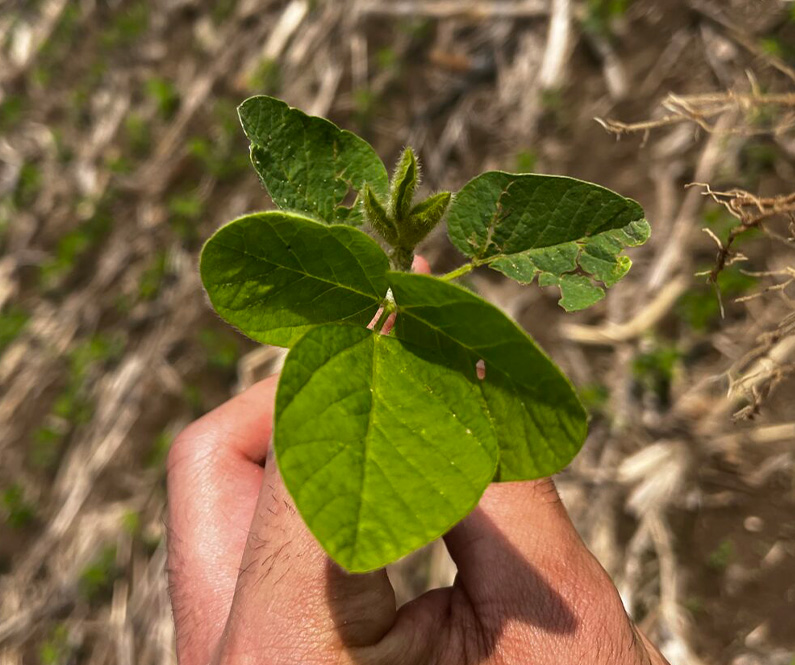
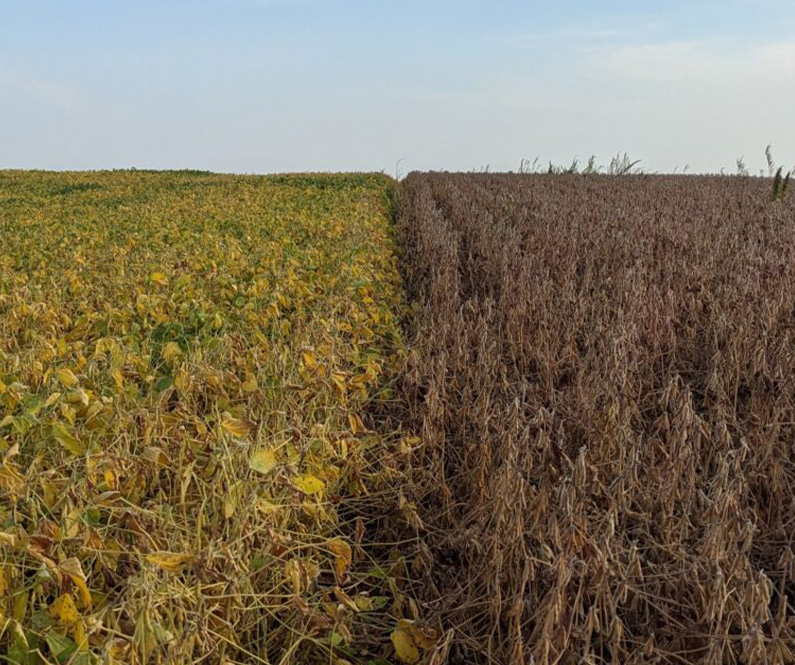
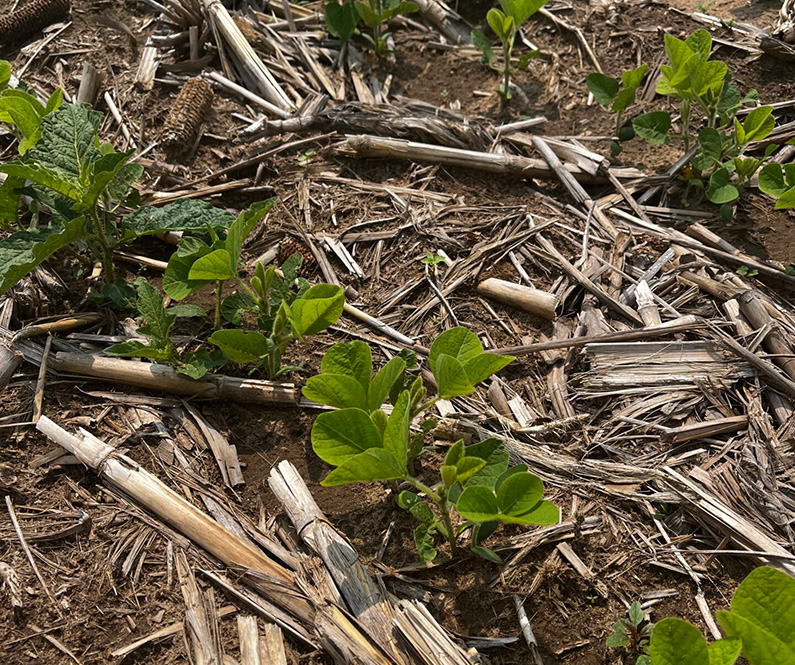
With a majority of fields drying down, some may wonder why certain bean fields are still so green. Green bean fields at this stage are almost certainly double-crop fields, which are quickly catching up in maturity to full-season beans. The double-crop beans at the ISA Agronomy Farm in McLean County are currently at the R6 (full seed) growth stage.
The Soybean Production team wishes you all a safe harvest!
After a wet finish to last week and more systems moving through over the weekend, we have some very wet and saturated soils across northern Illinois. Corn and Soybeans continue to dry down, but that has slowed with the rain and cooler weather moving in. Any field work that would be happening this week will likely be delayed until next week, when fields and plant material dry down.
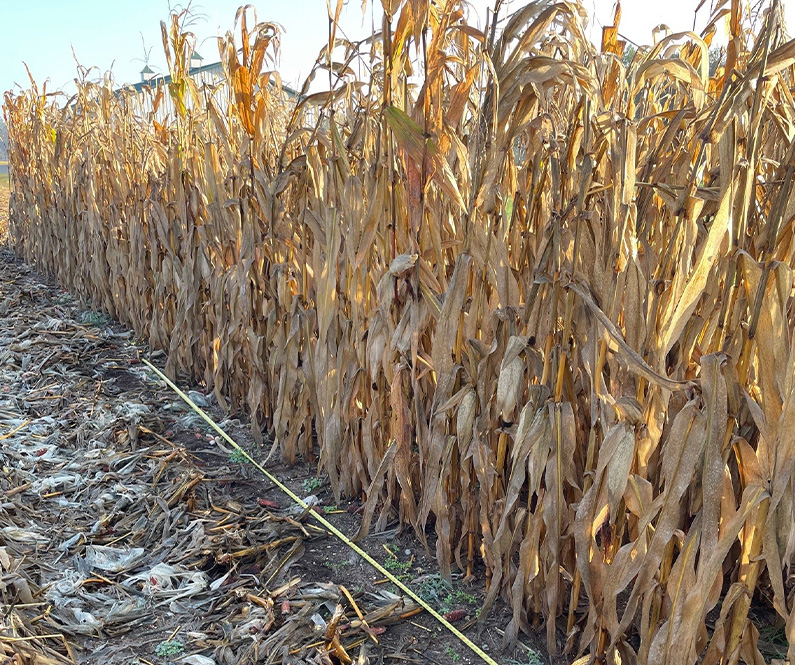
Corn is firing to varying degrees up the plant, largely depending on planting date after the wet spring delays we have had. I expect in the next week or so, to start to see the first fields being harvested.
Soybean fields have started to turn as well. Still large amounts of green in the plants, including stems on the further senesced fields. On top of that, the beans themselves will need a bit of extra time to dry out after all the rain this past week.
Disease incidence this season remains low, even after a cool and wet finish to the year. The most concerning note I have is an above average amount of ear rot in fields throughout the north, largely caused by the weather we have seen.
Its the calm before the storm, and its shaping up to be a busy October as always. Stay safe and have a happy harvest!
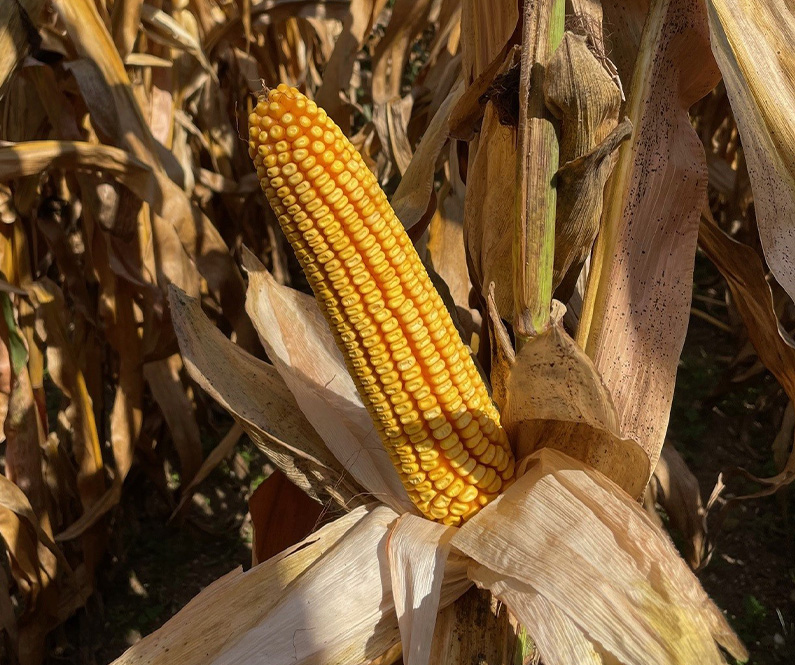
Corn harvest is in full swing, with yields generally good, but not as good as last year’s. Lodging and stalk quality issues are showing up in the May-planted corn fields, adding to this year’s harvest stress. The tip back of the ear’s kernels is very common across the area.
Harvesting of the early-maturity soybeans has begun. Soybean harvest is expected to resume as soon as weather conditions allow.
Sporadic harvest had slowly started in this region before rainfall stopped activities. Once field conditions improve, I expect the 2026 harvest to engage on a larger scale. Farmers are encouraged to take advantage of the lull to check fields and hybrids to determine harvest order. We have had reports on wind-blown and leaning and lodged corn. In several instances it appears to be hybrid specific. Most corn fields visited are at R6 or black layer and are somewhere between the upper teens and upper twenties in moisture content. There is more variation between soy fields, although most are R7 or beginning maturity. At this stage plants show at least one pod exhibiting its normal color. Mature pod color indicates that the seed is finished accumulating dry matter and increasing in weight. As seeds transition from green to yellow, they are about 60% moisture. R8 or full maturity soy is indicated when 95% of the pods have reached their mature color.
It looks like harvest had just gotten started in northern Vermilion County before the rain put a halt to any field activity. As of Tuesday (9/22) this week, soils were still a bit wet for equipment traffic without risking some rutting and compaction issues. But drier conditions this week have likely allowed some in the region to restart their harvest in the past day or so. Most of the corn fields surveyed are at black layer and ready for harvest. I only found a couple localized areas in the northern half of the county with lodging issues, but stalk rots are still a concern, along with ear rots, which I found with moderate prevalence in a couple fields. A small percentage of the soybean fields have also reached harvestable maturity, although I did not see any soybean fields cut at the time of my survey. Most fields are still holding on to some leaves and are generally somewhere in the middle of beginning and full maturity.
This is our last scheduled crop report of the season. Good luck to all with harvest, and stay safe out there.
Rain is expected for Northeast Illinois this week, if it materializes it will provide needed moisture. Its benefit to most crops at this stage is uncertain, but we will decrease the fire risk associated with starting harvest when crops are tinder dry. It’s becoming a challenge to share information on the 2026 crop; we are so close to harvest most are in a wait and see attitude. Several late season observations include a very rapid dry down for the corn crop. Moisture levels for hand shelled samples for 105-day (2550 GDU’s) and 108-day (2580 GDU’s) hybrids were 24.8% and 18.8% respectively. As mentioned in previous reports, the loss of color and drydown of the corn crops in this region has been dramatic. When hand shelling corn kernels that did not fill (aborted) on the ear were noticeable. Kernel abortion is when a kernel is successfully pollinated, starts to form but stops developing and shrivels because the plant cannot supply needed photosynthate during early grain fill. This is often due to environmental stress. Of note in some soy fields is the variation of plants reaching maturity. This too can likely be attributed to environmental stress during the growing season. An example is areas that were temporarily ponded or saturated are lagging behind other parts of the field.


 and then