Which PRE Herbicides Increase Injury Risk in Early-Planted Soybeans?
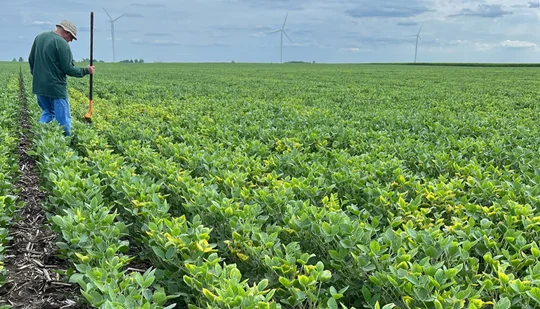
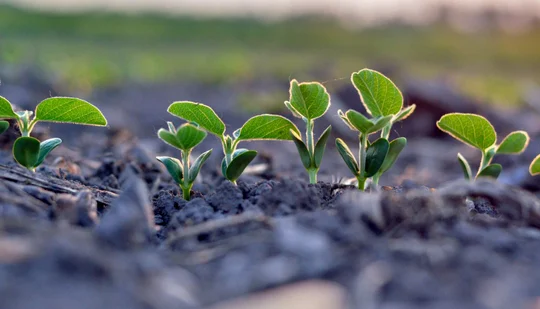
Early soybean planting can improve yield potential, but Logan Miller explains why certain PRE herbicides may increase the risk of crop injury under cold, wet conditions.
Matt Reardon recaps last week’s historic severe weather, looks ahead to a quieter, warmer pattern, explains the spring predictability barrier, and breaks down current drought and soil moisture conditions.
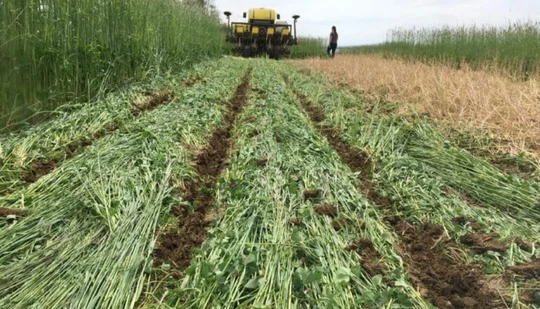
Farmers from Illinois and Virginia will share their experience using cover crop mixes to suppress weeds in their operations.
Scientists have developed a new edge-of-field water-treatment system that reduces the load of excess nutrients washing into waterways from farm drainage systems.
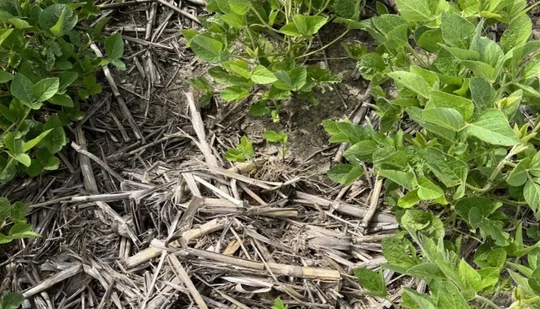
In this webinar, Dr. Connor Sible and Ava Isaacs review what crop residue is, how much to expect year over year, and findings from recent UIUC residue management trials.
From data to decision-making, Ashley Haddon shares how artificial intelligence is being used in crop production today.
Develop tools to detect Group 15 herbicide resistance in waterhemp before residual control visibly fails, helping farmers distinguish resistance from weather effects and make field specific herbicide decisions that protect early season weed control.
Identify how temperature and herbicide rate affect glufosinate performance on waterhemp to help farmers improve POST control, slow resistance development, and protect one of the last effective herbicide options for soybean production.
Illinois research on the soybean cyst nematode pangenome is helping scientists better understand the pest’s genetic diversity and how it overcomes resistance.
As drought conditions intensify across Illinois, atmospheric scientist Matt Reardon breaks down the 14-day rainfall outlook.