
A multi-year Illinois study conducted in Champaign and Perry from 2024 to 2025 and funded by the Illinois Soybean Checkoff looked at how different preemergence (PRE) herbicides and seed treatments affect soybean injury and yield. Here are the top 10 considerations farmers should keep in mind when planning early soybean weed control programs.
Early Planting
10. We are of the mindset now that planting early can pay off, but this often can come with risks such as cool soil, wet weather and certain PRE herbicide injury that could lead to stand loss or early-season injury. A yield advantage with early planting is not guaranteed, and an example of this was that in 2025, there was no yield advantage versus later planting in this study.
Seed Treatments
9. Interactions with some PRE herbicides and seed treatments, like the SDS/SCN seed treatment ILEVO, are environment dependent and inconsistent year to year, making it difficult to predict risk ahead of time. In 2024, there was a significant stand loss and an 11 bu/A yield loss with ILEVO-treated soybeans planted in May. But in 2025, the May-planted soybeans had no issues when treated with ILEVO, and the April planted soybeans had a 4.5 bu/A yield advantage.
Soil Type and Residue
8. Differences in soil texture, organic matter and pH can influence the soybean response to PRE herbicides. Soybeans planted in sand, low organic matter, with high pH have the highest injury risk. Surface residue, crusting and compaction can cause additional issues by slowing soybean emergence, which could cause longer exposure, leading to more injury potential. Tailor your herbicide decisions on a field-by-field basis. Always match herbicide rate and product to soil type and conditions.
Field Conditions
7. Soybeans that are high risk for PRE herbicide injury are those with poor drainage, ponding or standing water, heavy soils, or crusting. Early planting or cool conditions only add to the risk in fields with these conditions.
Cosmetic Injury
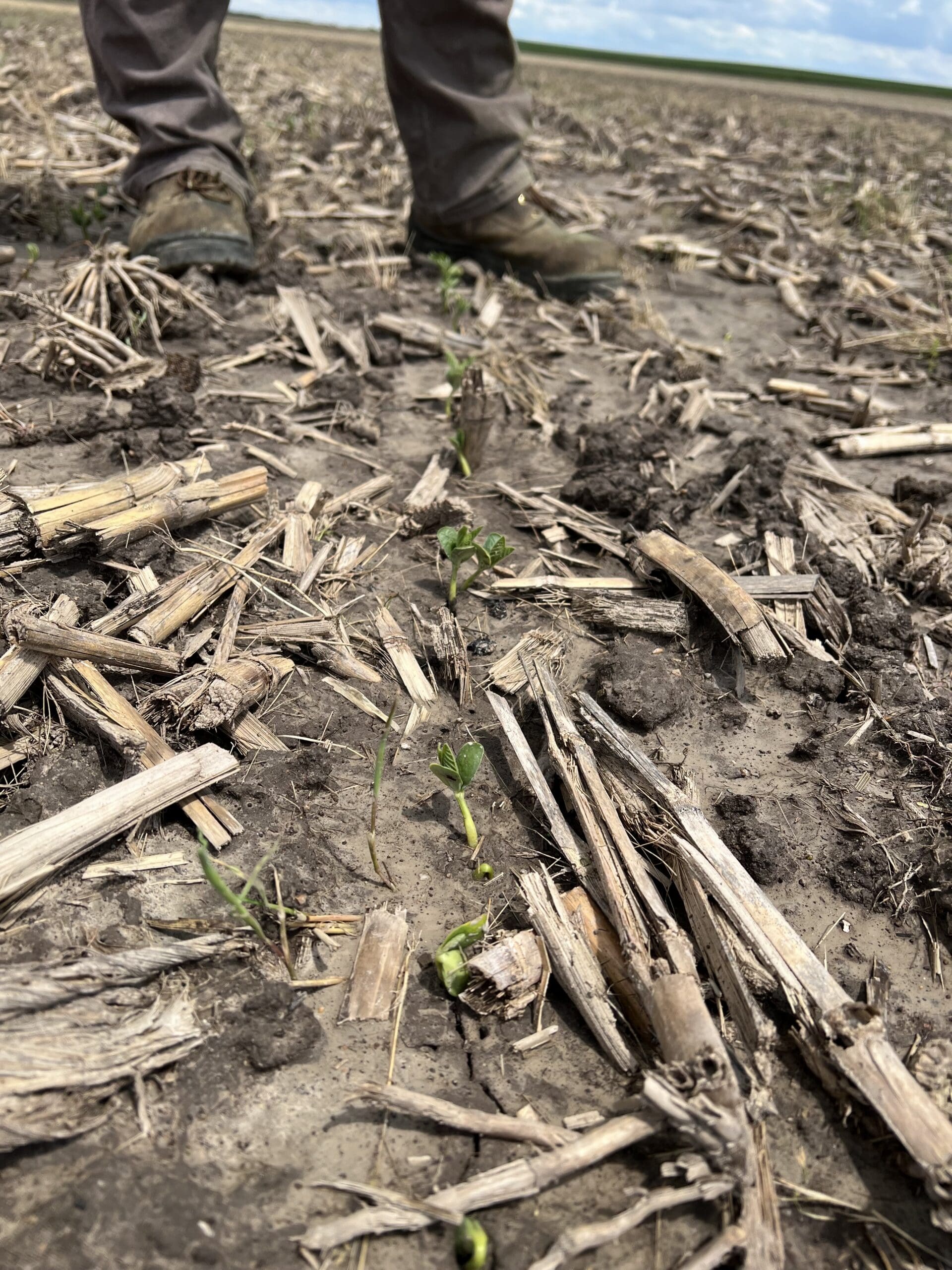
6. Don't judge a field too early. Visual injury from PRE herbicides, especially during soybean growth stages up to V3, does not always mean you will have yield loss. In this study, soybeans typically recovered around 28 days after emergence, and yield was not reduced by PRE herbicides if stands were adequate with at least 75,000 to 100,000 plants per acre.
Stand Loss
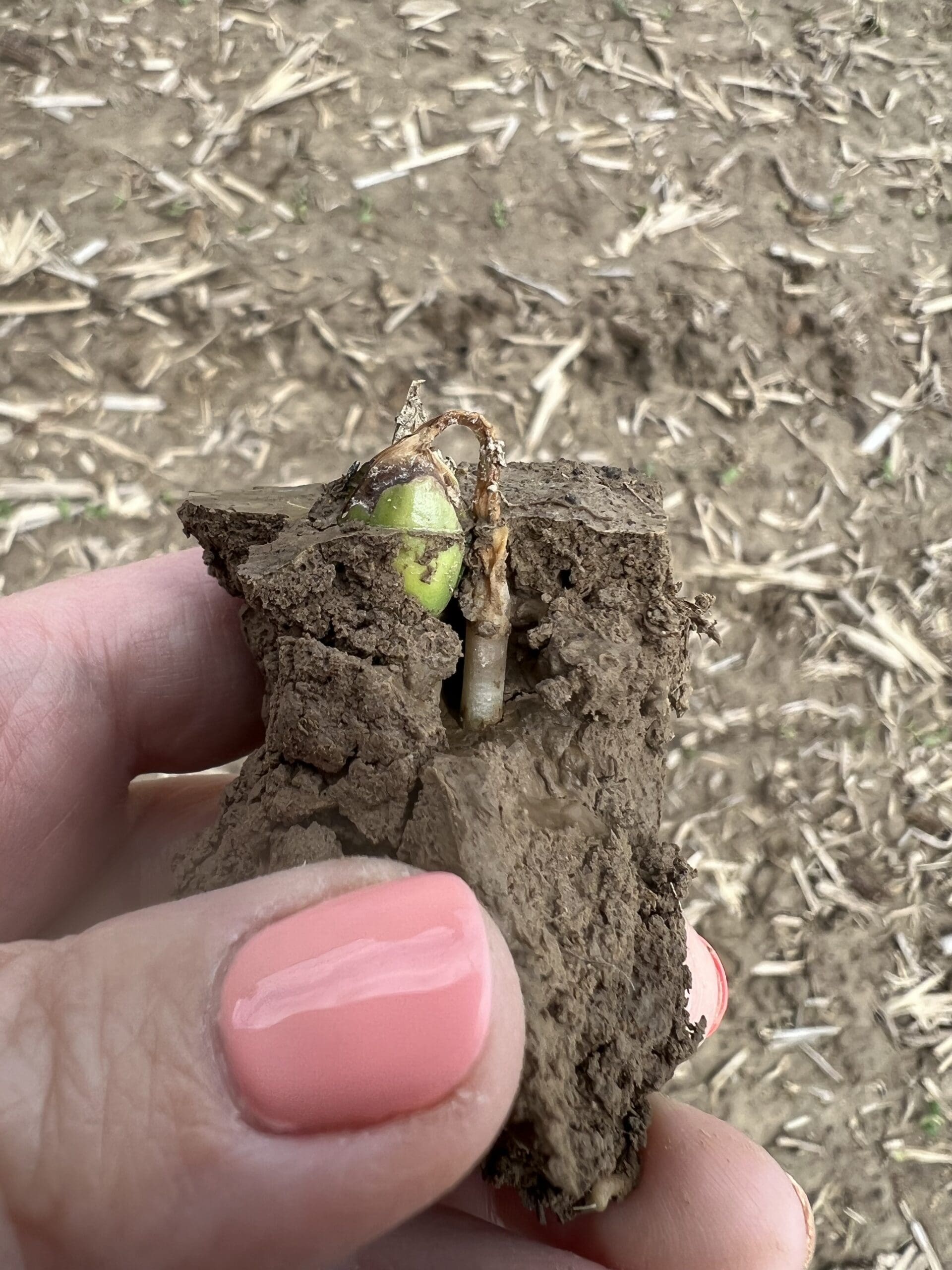
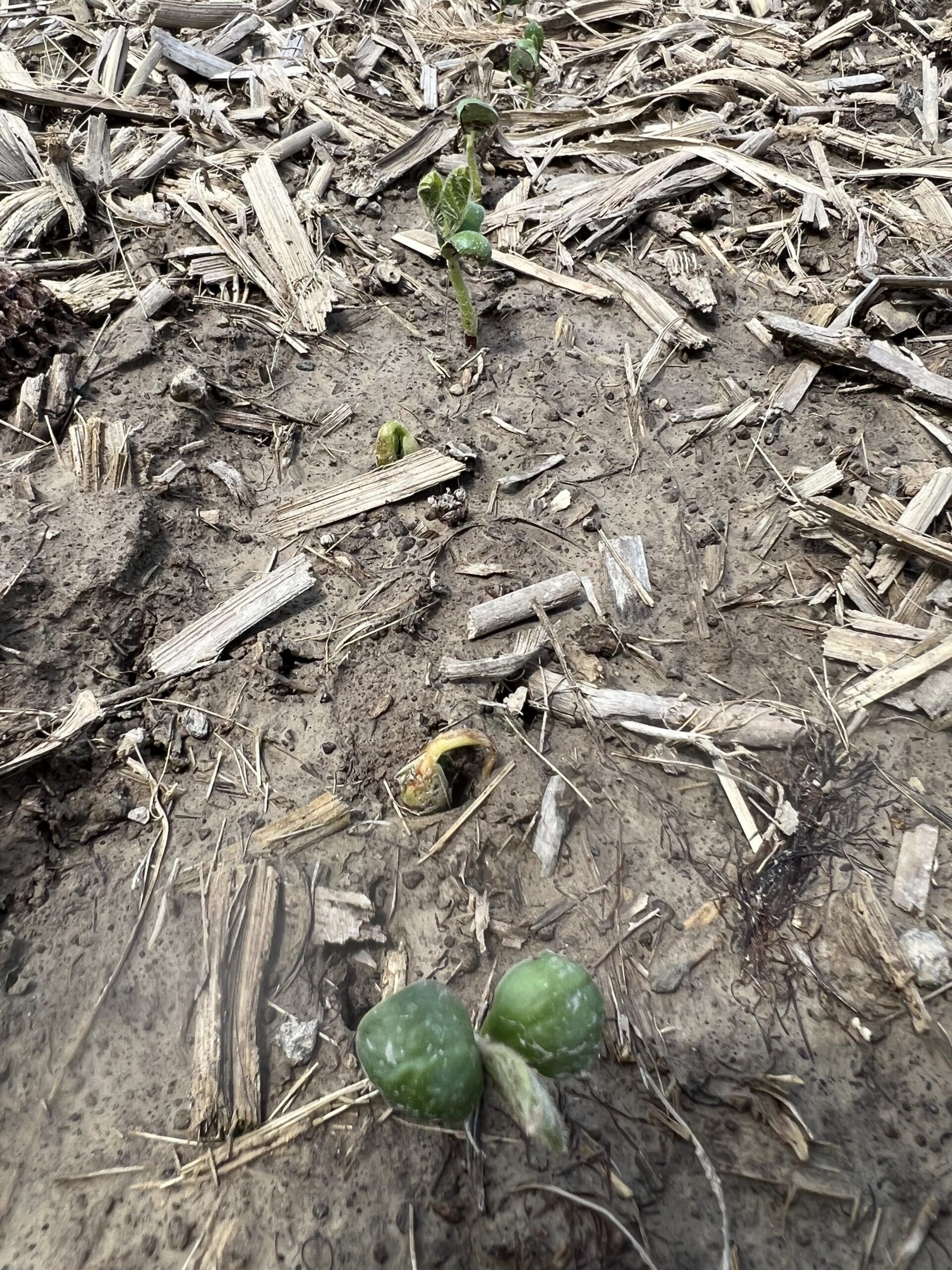
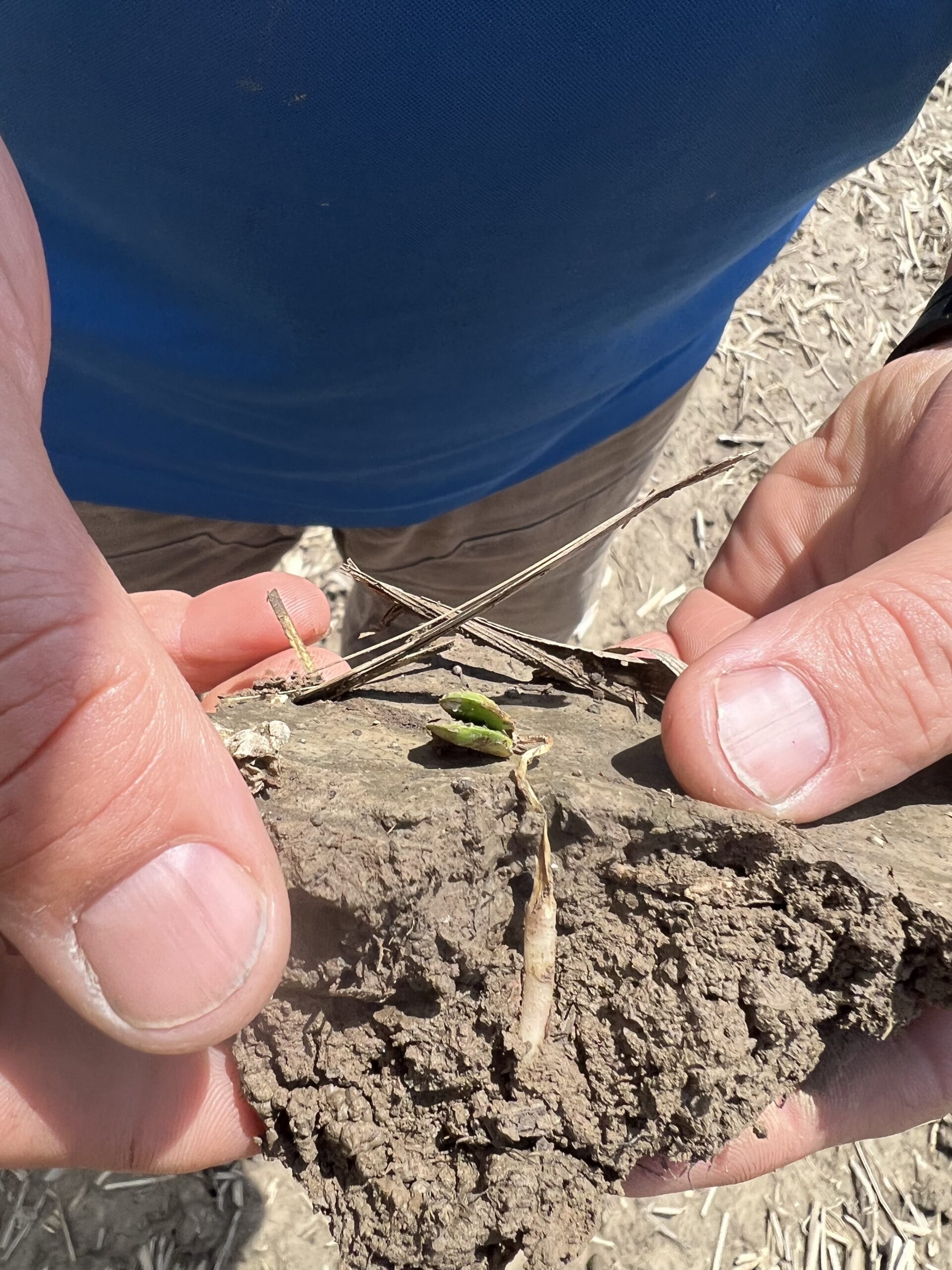
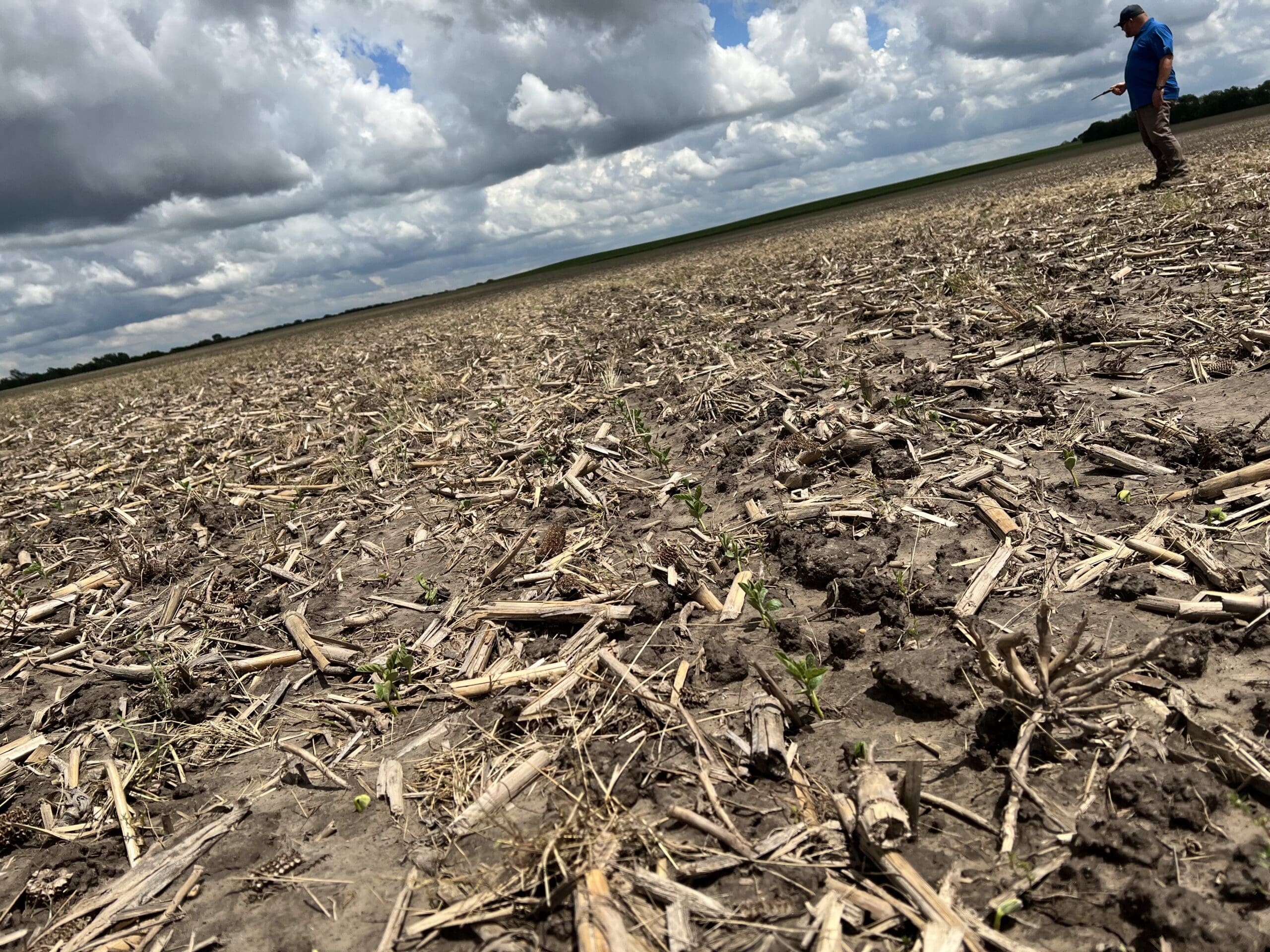
5. While the visual PRE herbicide injury can get you "riled up," the bigger concern should be soybean stand loss. Slow emergence from both the weather and herbicides only increases the risk of herbicide injury, and stand counts are needed to fully evaluate whether replant is needed.
Non-PPO Herbicides
4. Herbicides programs that did not consist of PPO PRE herbicides consistently showed less crop response and excellent safety across environments. Non-PPO herbicides might be a better option when planting ultra early or in higher-risk fields.
PPO Herbicides
3. Not all PPO PRE herbicides cause soybean injury. In fact, some PPO-containing premixes that were tested (Preview and Prefix) were safer than expected. Product formulation matters.
2. PRE Herbicides containing PPO actives (Authority or Fierce) cause the most visible injury in SOME environments but not all. These products caused little to no injury in Champaign, IL in 2025. PPO risk depends heavily on rainfall and environment, and not the product.
Mother Nature
1. The biggest driver of soybean injury was not herbicide, but the weather during emergence. This year in 2026 was an example that you don't have to plant soybeans early to experience cool, wet conditions or slow emergence, which can heavily influence herbicide performance. Heavy rainfall shortly after planting can increase PRE herbicide uptake and injury potential, especially with PPO products.
The "bottom line" is that the more layers of stress that soybeans experience, especially after early planting – such as cool soils, heavy rain, PPO herbicides and certain seed treatments – the more at risk they can be to experience PRE herbicide injury.
Avoid assuming all PPO herbicides behave the same, reacting to visual injury after heavy rains without checking stands 7 to 21 days after planting, overlooking field variability such as soil and drainage, and treated seed and herbicide decisions independently.
Resources:
Year Two Study Examines Herbicide Effects on Early Soybeans – Field Advisor
Year-One Findings: How PRE Herbicides Affected Early Soybeans – Field Advisor

As Outreach Agronomist for the Illinois Soybean Association (ISA), Stephanie supports research efforts and helps communicate both in-field and edge-of-field research and validation studies to Illinois 43,000 soybean farmers. She also helps lead the demonstration and adoption of conservation agriculture practices and raises awareness of best management and continuous improvement practices for conservation agriculture in Illinois.
Stephanie has 23 years of experience that consists of agronomy, conservation, horticulture, plant diagnostics, and education. She has her bachelor’s in crop science and master’s in plant pathology from the University of Illinois. Stephanie is a Certified Crop Advisor and was named the 2018 Illinois Certified Crop Adviser Master Soybean Advisor. She also has experience with corn and soybean pathology research, crop scouting, soil testing, as well as crop consulting. Previously, she utilized her diagnostic training and collaborated with University of Illinois departmental Extension Specialists to diagnose plant health problems and prepare written responses describing the diagnosis and management recommendations as the University of Illinois Plant Clinic.


 and then
FIND US ON