
Soybeans have been grown in the United States since 1851 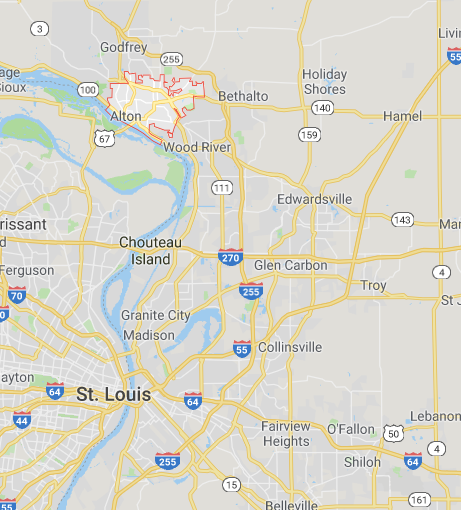 when Dr. Benjamin Franklin Edwards received a packet of seeds from a Japanese sailor. He gave them to his friend John H. Lea who planted them in his garden in Alton, Illinois. From there, soybean cultivation spread across the Midwest, with beans initially being used as a forage crop for livestock.
In 1904 George Washington Carver discovered the utility of soybeans as a source of protein and oil, their benefits to soil health and their value in crop rotation. Resource shortages during World War II greatly increased the demand for lubricants and plastics. This demand was met by American farmers who rapidly increased soybean production. Additionally, improving economic conditions following the war increased the demand for meat in the American diet and affordable protein from soybeans provided nutrition for livestock.
Soybeans began their transition from a forage crop to a valuable source of protein and oil with the establishment of the U.S. Regional Soybean Industrial Products Lab at Urbana, Ill., in 1936. Soybean breeding largely remained in the realm of public breeders until the passage of the Plant Variety Protection Act (PVP) in 1970. Government protection of intellectual property in the form of cultivars encouraged private industry to heavily invest in soybean breeding, and today the bulk of research is conducted by industry rather than public institutions.
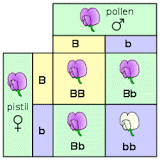 For thousands of years, plant breeding was conducted by letting nature do the crosses and farmers selecting the best plants with desirable characteristics to be used as a seed source for the following season’s crop. This method of breeding, although slow and methodical, gradually changed crops from their nearly unrecognizable ancestors into those that we utilize today. As most of us learned in high school, the foundation of the modern understanding of genetics began with Gregor Mendel’s work in 1866. Building on Mendel’s work, modern plant breeding was born as scientists began to develop a more targeted approach to improving varieties.
In the middle of the 20th century, plant breeders used their understanding of the relationship between genotype (the genetic makeup of the DNA of an individual) and phenotype (the visible characteristics of the individual) to increase the average yield of soybeans about ½ bushel/acre each year, while incorporating desirable traits such as SCN and phytophthora resistance into new varieties. Breeding was a numbers game making a lot of crosses and looking at lots of offspring to find a few good ones.
As the century continued, molecular markers began to be used to hasten the breeding process. For the first time, breeders were able to use the DNA inside a plant to understand what would be seen on the outside. They could know whether a plant carried an unexpressed recessive gene (one that coded for a trait not shown in the parent, but that could be passed on to its offspring). This advancement increased the precision with which soybean varieties were developed and reduced the numbers screened and time to bring varieties to the market.
In the early 1980s, researchers added a new tool, biotechnology. Genetic engineering allowed them to introduce desirable traits for herbicide, disease and insect tolerance. They were even able improve the stability and nutritional value of oil crops, such as high-oleic acid soybeans. Round-up Ready® soybeans, introduced in 1996, were quickly adopted by farmers and biotech crops were soon grown on most farm acres in the US.
Soybean breeding has not only been improved through biological systems, but also technological ones. In the 21st century, equipment such as Monsanto’s seed chipper allowed scientists to further enhance the breeding process. Now breeders could take a tiny sliver of an unplanted seed and sequence the DNA to screen for traits of interest and predict performance before the seed was even planted. This increase in the precision of selection has improved the rate of success when screening large breeding populations, as well as reducing the time and manual work in the development of new soybean varieties.
Artificial intelligence and computer modeling are also being applied to plant breeding. Seed chipping and molecular analysis coupled with automated data collection and machine learning have changed the breeding world once again. Breeders and computer scientists can utilize massive amounts of data collected using drones and other automated equipment, weather data and genotypic information to feed computer models and predict performance. Genetic sequences of new soybean lines are compared to established varieties across hundreds of genes. This allows researchers to predict how a line will perform in various environments and conditions.
Just as in the world at large, technological advances have changed the world of breeding in ways that would have been difficult to predict only a few decades ago. Currently, despite all the technological advances, breeders still must plant, grow and combine plots in order to evaluate yield and develop new varieties. Will the latest advances lead to a world in which we can predict product performance accurately enough to forgo the numerous hours of manual labor required? Only time will tell.

Former Soy Envoy and current soybean technical product manager with Bayer Crop Science, Jason Carr evaluates new soybean germplasm and assists independent licensees with identifying varieties that fit their operations. Previously, he led agronomic research projects with corn and soybeans focused on creating tailored solutions for growers. Prior to that, he spent a decade in soybean breeding with Monsanto and led a team developing numerous commercially successful varieties in RM groups 2 and 3. Carr holds a master’s in molecular genetics and a bachelor’s in natural resources and environmental sciences from the University of Illinois.


 and then
FIND US ON