
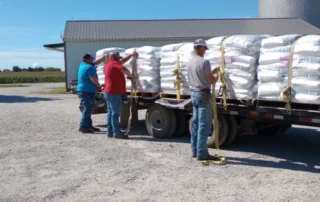
Illinois Soybean Checkoff-Supported Program Provides Cover Crop Seed in NLRS Priority Watersheds
Jennifer Jones, CCA, ISA Research Agronomist, shares about a free cover crop seed program that is helping Illinois farmers overcome adoption barriers, improving soil health and water quality while expanding cover crop acres across priority watersheds.
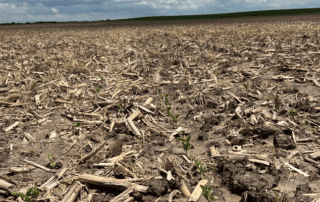
Top 10 Lessons from Illinois Research on Early Soybean Herbicide Injury
Stephanie Porter breaks down what Illinois field data shows about the factors driving early soybean herbicide injury.
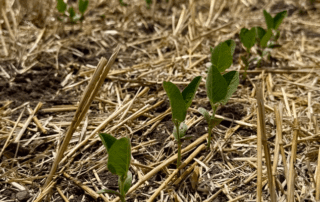
Top Eight Factors to Ensure Double-Crop Soybean Success
IL Soy Envoy Tim Laatsch explains how to maximize yield potential when double‑cropping soybeans after winter wheat in a shortened Illinois growing season.
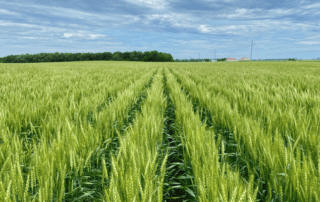
Results from the 2026 Illinois Wheat Plot Tours
Darby Danzl shares wheat yield estimates from Madison, Bond, Montgomery and Macoupin Counties.
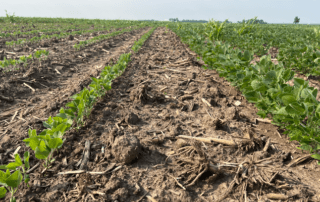
Growth in Action: What’s Happening with the Soybean Plant Now
Rachel Vann breaks down how early soybean vegetative growth builds the engine that powers pod and seed development later in the season.
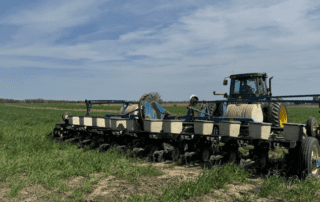
Planting Green into Cover Crops? Learn Which Soil Residual Herbicides Can Make it to the Ground!
Rodrigo Werle breaks down preliminary findings on how well soil‑residual herbicides perform when planting green into heavy cover‑crop biomass.

Replant or Ride It Out? Early-Season Soybean Decisions
Dr. Rachel Vann and Stephanie Porter share early‑season soybean recommendations, from planting‑time choices to replant decisions shaped by shifting spring weather.
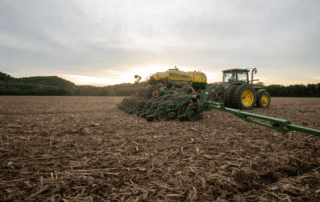
The “Soy” What of Later-Planted Soybeans
IL Soy Envoy Jamie Chesnek explains how later‑planted soybeans can still push big yields with the right management strategies.
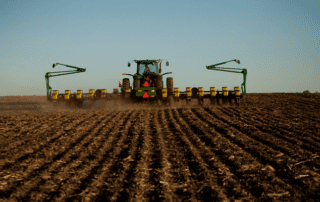
Controlling the Controllables: Pre-Planting Decisions That Drive Soybean Yield
IL Soy Envoy Scott Krone shares research backed data on how planting date, genetics and maturity group selection can have a greater impact on soybean yield than stand density alone.

Managing SCN for the Long Haul: Lessons from a 12-Year Minnesota Study
A 12-year Minnesota study shows how quickly SCN can build, adapt and reduce yield potential in continuous soybean fields, even when resistant varieties are used.


 and then