
ISG Farm Business Forum – Malta
Today’s soybean market demands more than good yields. It requires smart business decisions that improve profitability, manage risk and create opportunity. Join Illinois Soybean Growers [...]
Today’s soybean market demands more than good yields. It requires smart business decisions that improve profitability, manage risk and create opportunity. Join Illinois Soybean Growers [...]
Today’s soybean market demands more than good yields. It requires smart business decisions that improve profitability, manage risk and create opportunity. Join Illinois Soybean Growers [...]
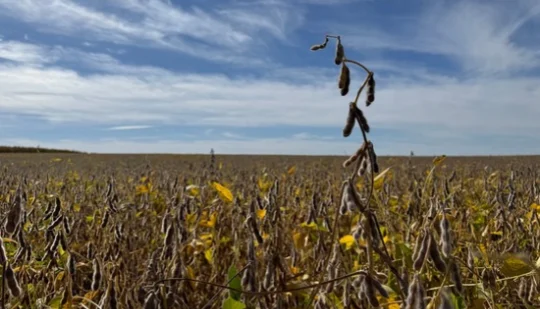
Could soybean desiccation be the key to protecting yield and beating unpredictable fall weather? Join Illinois farmers and researchers as they put this emerging harvest management tool to the test.
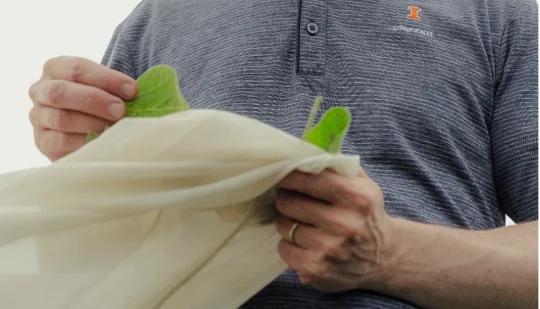
Help shape the future of soybean insect management by participating in a 2027 ISA On-Farm Trial Network study. Farmers can work alongside University of Illinois researchers to test insecticide strategies and uncover insights that improve decision-making and profitability.
Join the ISA Government Relations team in Springfield for firsthand exposure to the state legislative process and an opportunity to build confidence engaging with lawmakers on issues affecting Illinois agriculture.
Join the ISA Marketing Communications Team for a hands-on workshop focused on media interviews, public speaking, and message development, giving you the skills and confidence to effectively represent agriculture in professional and leadership settings.
Join the ISA Government Relations team for an introduction to the Illinois legislative process and lobbying basics to help you become a more effective advocate for agriculture.
LEAD Members, please join the ISA Market Development Team for a Transportation Tour consisting of different stops in the Ottawa area focused on how Illinois soybeans move through the transportation system.
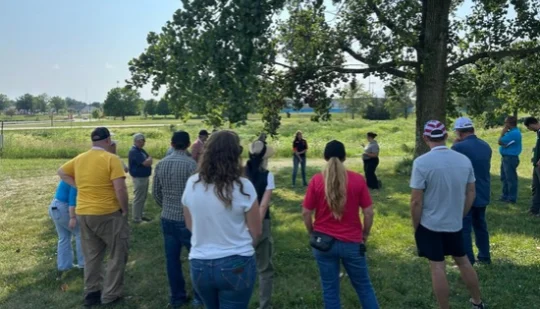
Discover how emerging agricultural leaders are strengthening their understanding of soil health, sustainability, and conservation practices to build a more resilient future for Illinois agriculture.
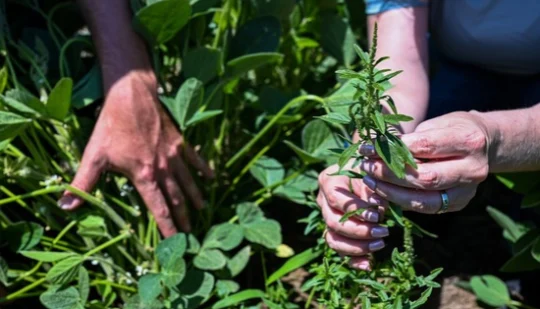
Herbicide-resistant weeds are constantly evolving, but a nationwide team of researchers is helping farmers stay one step ahead with proven management strategies, emerging resistance monitoring, and integrated weed-control practices.
Sign up to receive our newsletter for up-to-date news and offers directly in your inbox:

The Illinois Soybean Association (ISA) checkoff and membership programs represent more than 43,000 soybean farmers in Illinois. The checkoff funds market development, soybean production and government relations efforts, while the membership program, Illinois Soybean Growers (ISG) and the Illinois Soybean Growers PAC actively advocates for positive and impactful legislation for farmers at local, state and national levels. ISA upholds the interests of Illinois soybean farmers through promotion, advocacy, research and education with the vision of becoming a trusted partner of Illinois soybean farmers to ensure their profitability now and for future generations.
© 2026 Illinois Soybean Association

 and then