
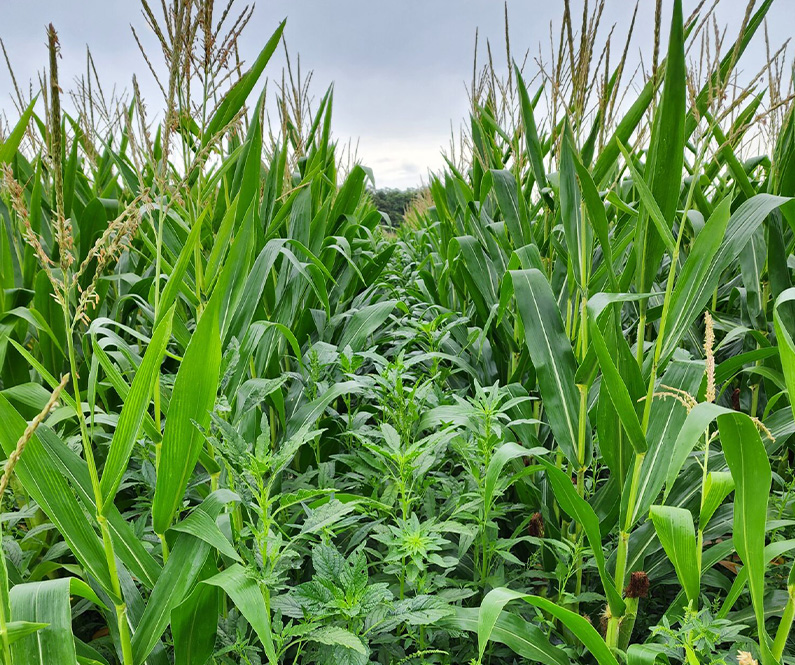
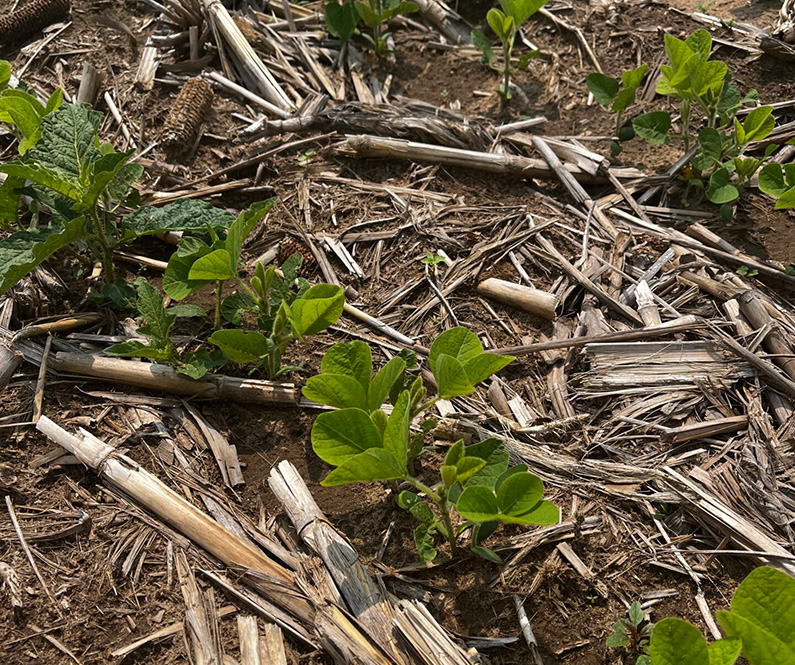
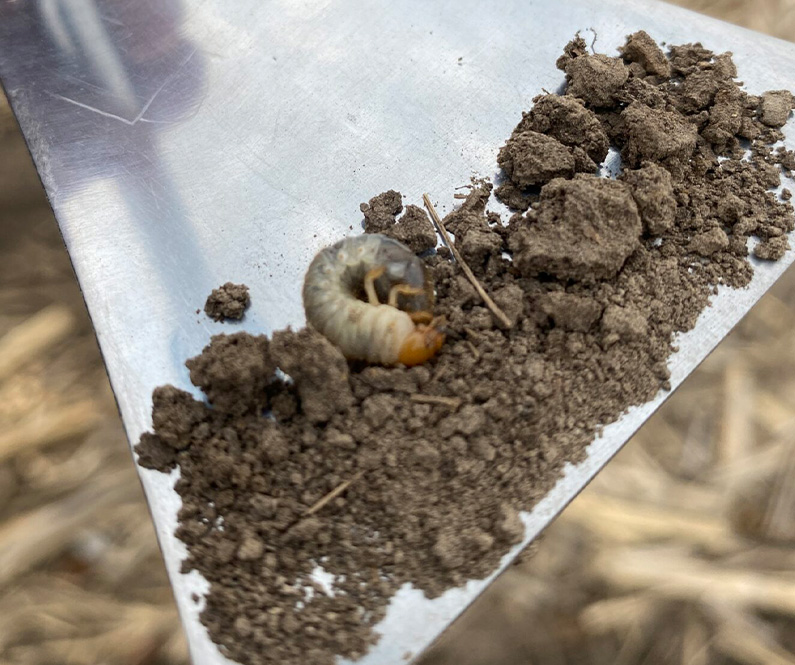
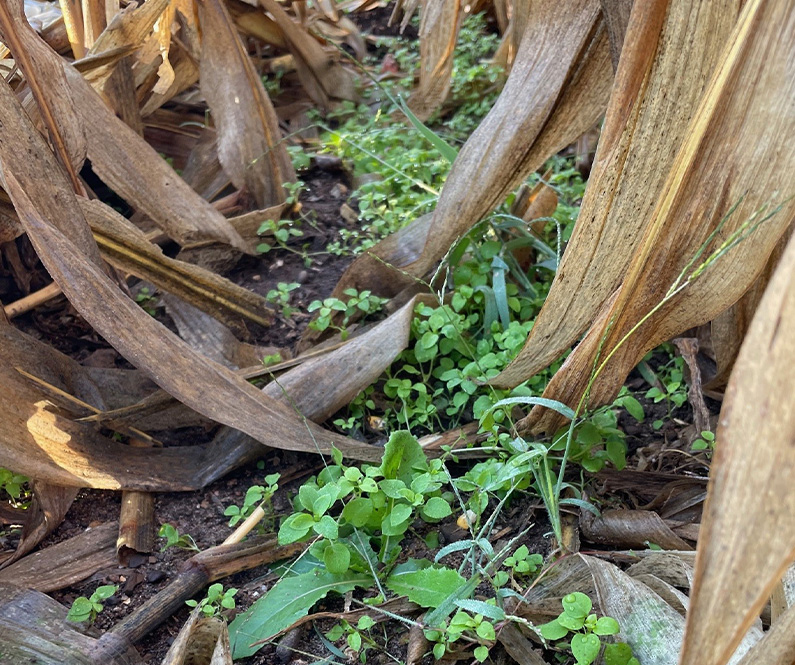
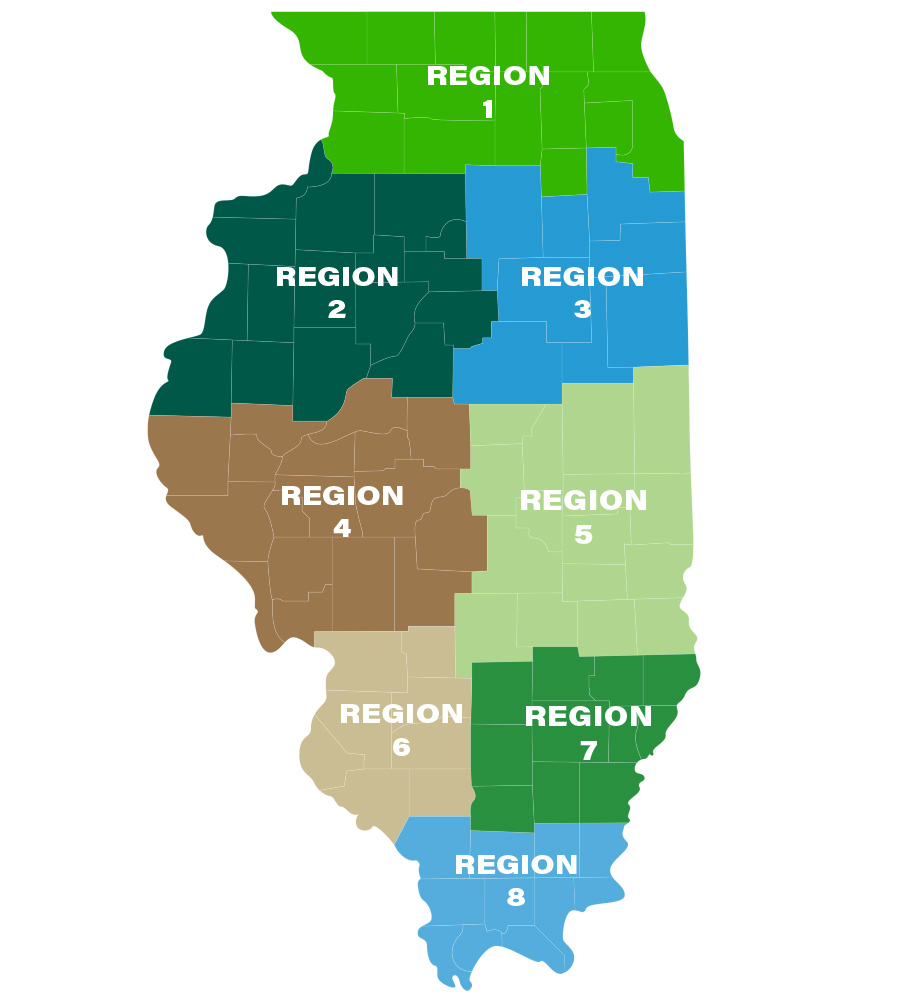
The recent rain systems that have moved through much of West Central Illinois have helped to replenish our soil moisture. Soybeans are showing to be mainly in the V3-V5 stage and corn is between V2-V6 with the differences largely being planting date. Main field activities are post emergence applications. We are seeing some weed pressure in the region, mainly waterhemp and giant ragweed. We have seen some replants across the region but largely the fields are looking good. We are on-par, or close to, with 2020-2024 average crop progress and conditions. Looking at the upcoming forecast, we should have mainly dry conditions until this weekend and into next week which should allow field work to continue and crops to progress.
Areas within the NE region are starting to dry but potential precipitation is forecast. Favorable higher daytime temperatures are helping both corn and soy, particularly no-till soy that had been lagging. Post herbicide applications and nitrogen sidedress operations continue. Several edge of field issues reported this week, including likely deer feeding on V6 corn and Canada thistle encroaching on soy field edges. Options are limited with deer feeding at this stage of the growing season, we can hope their diet shifts to something besides corn. The perennial Canada thistle can be a challenge to control in a crop setting. The weed can spread vegetatively by rhizomes and windblown seed. The best growing season time to treat Canada thistle with a foliar applied herbicide which can through the plant (systemic) is normally in June after the first flower buds are formed and before the first flowers open. One hundred percent control often requires multiple timed applications including a fall application.
Fields in LaSalle County have dried out a bit over the last week, with only minimal rainfall over the weekend. At the IVCC + Extension Research and Demonstration Plots corn is nearing V5 and soy V1-2. Other fields scouted in LaSalle County have V6 corn and V2-3 soybeans. One soybean field that was scouted showed signs of root rot, potentially Phytophthora.
I had the chance to drive west from Springfield, IL, on I-72 to Quincy, IL, then head toward Macomb, IL, before returning home. For the most part, corn and soybeans look great in this part of western Illinois. I evaluated one of the ISA sulfur plots near Macomb, IL, where soybeans were just beginning to flower. Corn is at the rapid growth stage (around V6). Post-spraying and side-dressing appear to be finished. I spotted a click beetle—possibly a sign of wireworm issues—near our plot, but soybean stands were adequate at around 100,000 plants per acre. No major diseases were found, though root rots such as Phytophthora could begin to show up with additional rainfall.
I traveled north to Ford County for my crop survey on Monday (06/09) of this week, and there was a bit of variability across the county in both growth stage and stand health. That variability was driven by soil moisture status, with saturated soils and localized ponding in low areas and headlands of fields in some parts of the county. Subsequently, these fields currently have uneven crop growth and canopy color, and in some cases, areas that will require a replant. However, most fields I saw during my survey appeared healthy, overall. Corn ranged in maturity from V2/V3 up to V7/V8. Similarly, soybean fields ranged from VE (a couple fields) to V3/V4. The few wheat fields I came across were moving into the ripening stage (Feekes 11.1), with grain heads turning to a golden amber color and kernel starches turning to a milky substance.
The past few weeks we have had nice rains to replenish our soil moisture. Air/ soil temps continue to increase over the past few weeks as well. Crop in our territory has started to take off growing at a fast pace. Weed control continues to be focal point for us here in ag retail as we are in full swing of post emergence applications in both corn and soybean. We are applying layered residuals to help control the vicious watershemp populations. Top dress urea and side dress solution application are being made as a split rate approach to our nitrogen management plans.


 and then