
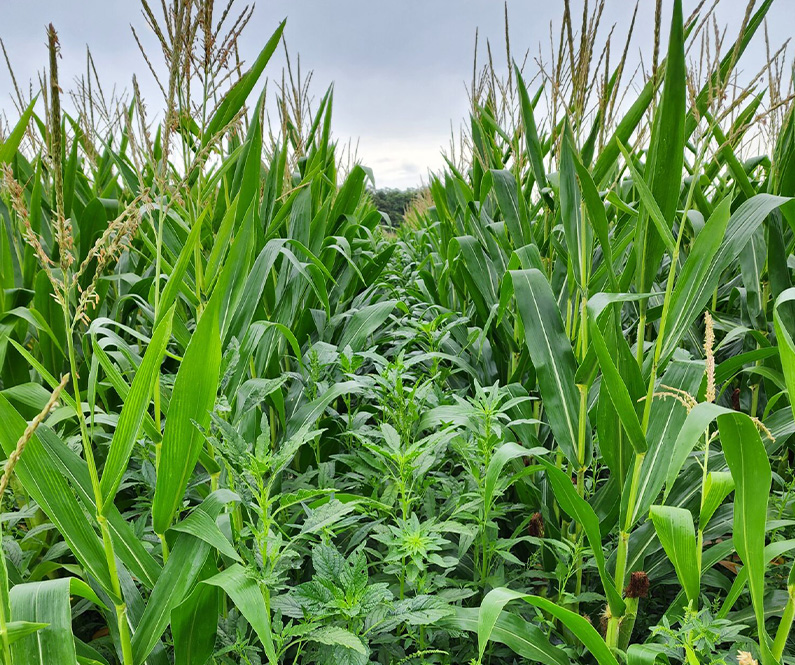
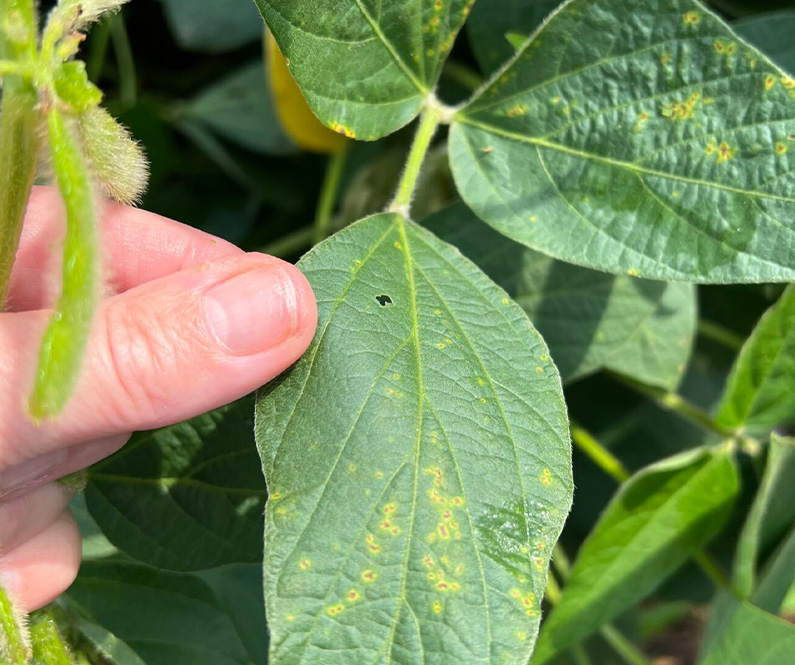
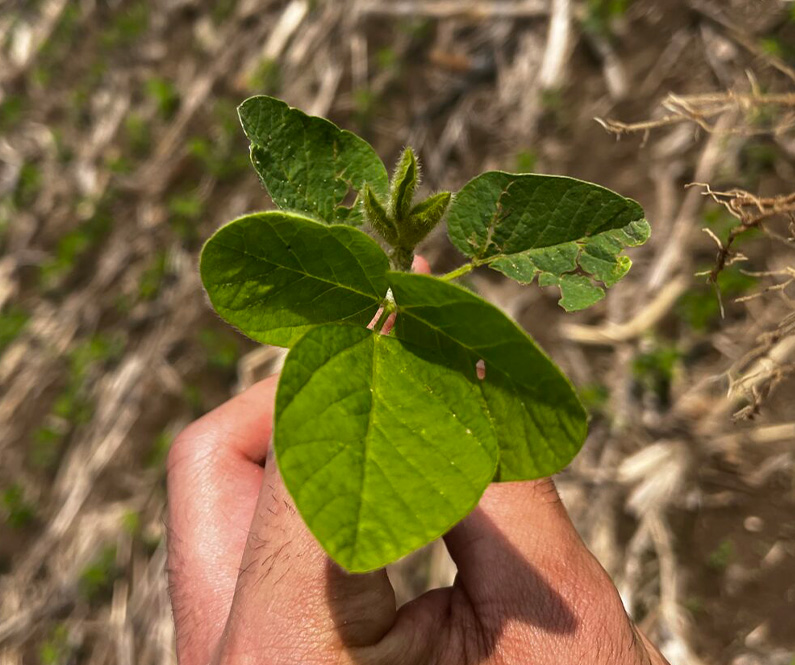
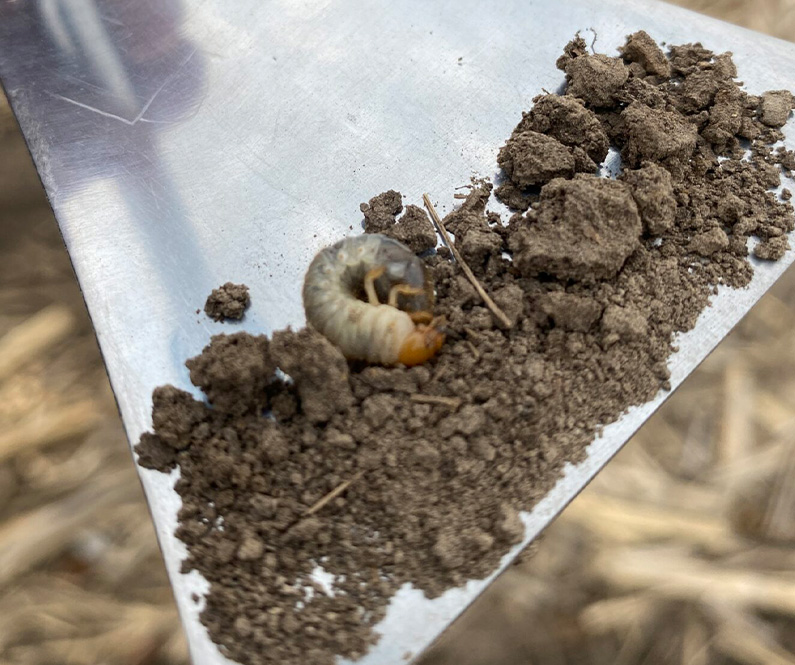
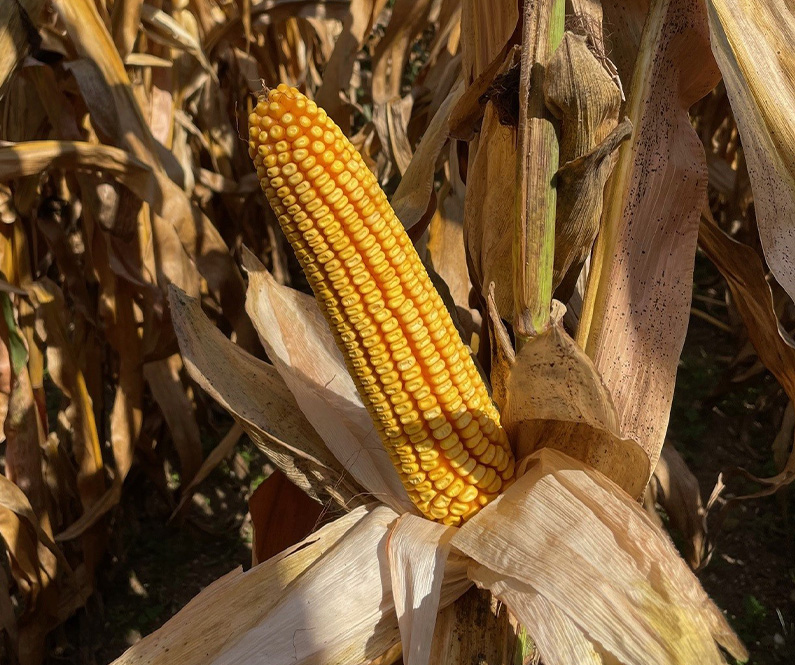
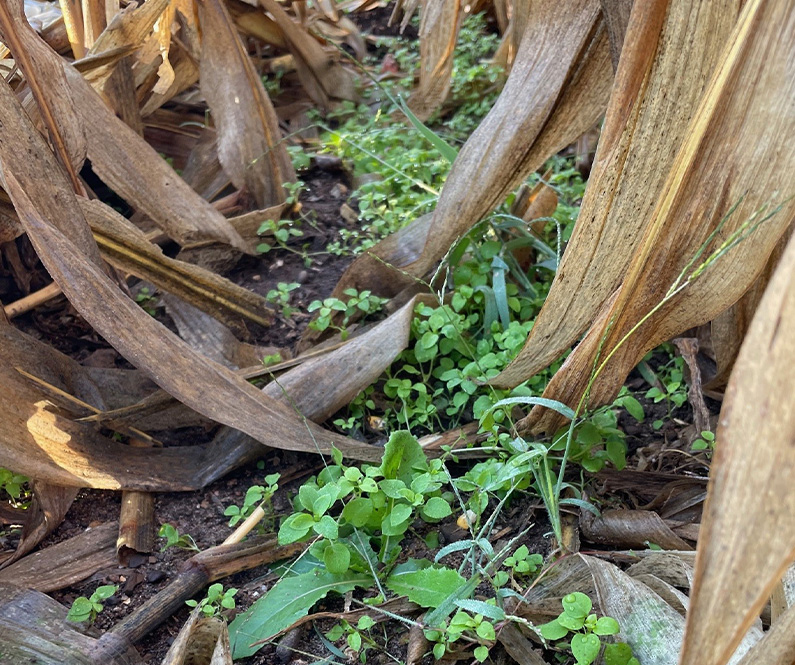
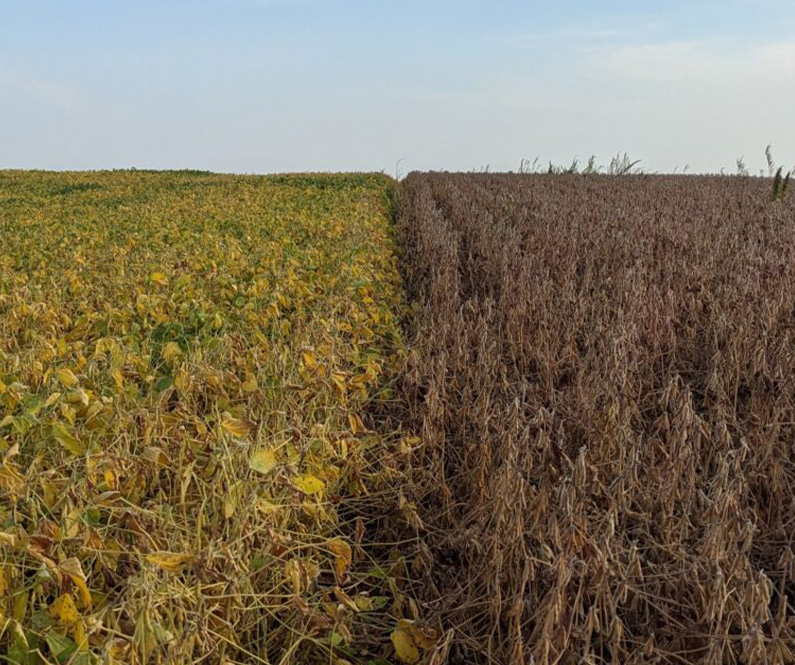
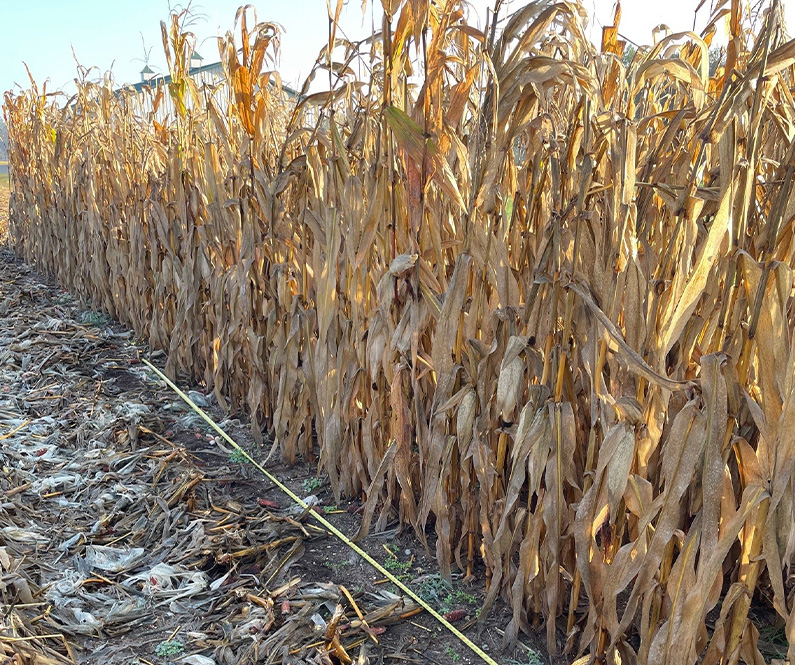
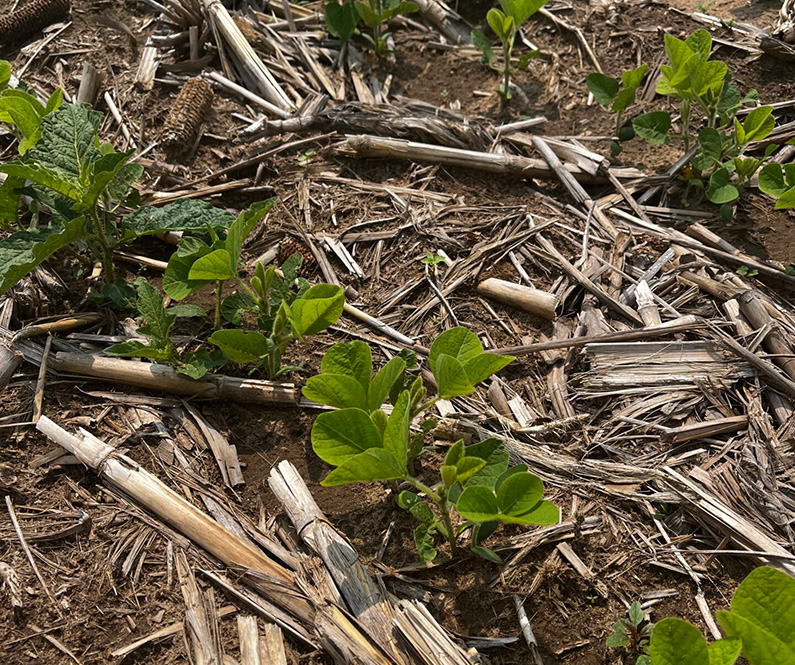
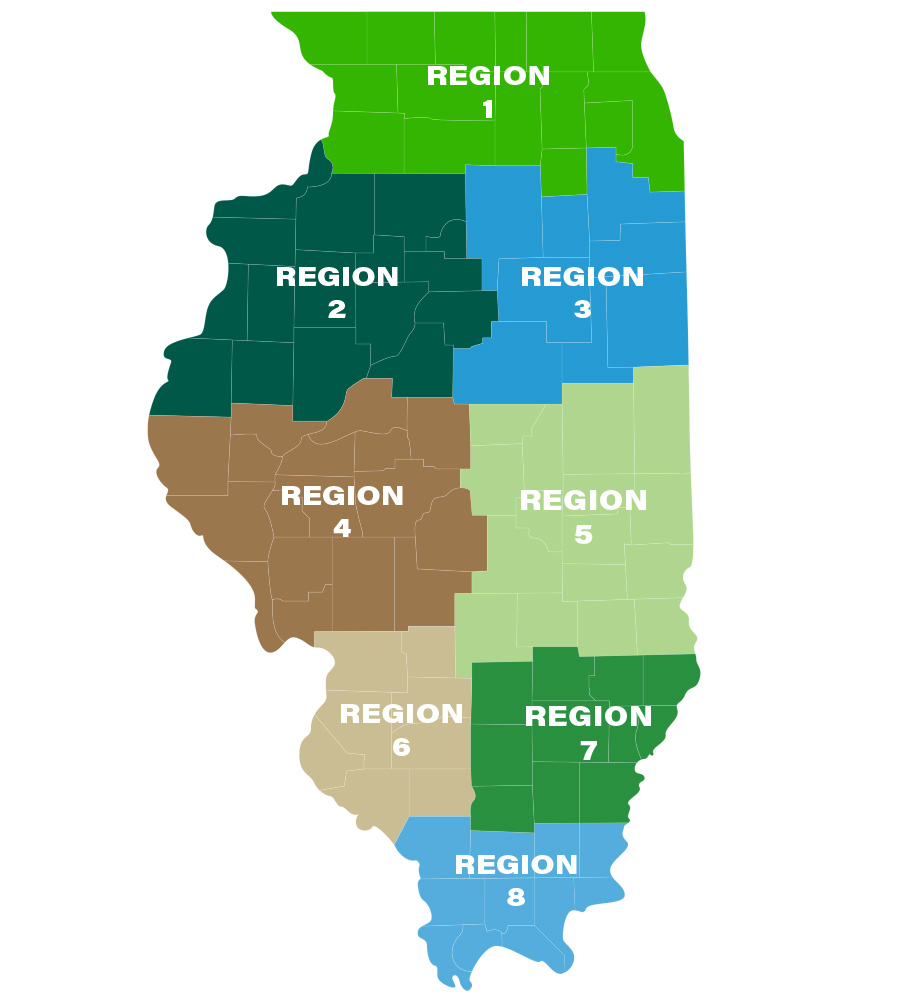
A light shower last weekend and nearly an inch of rain in the first couple of days this week took the edge off for the crop in most of my immediate area. The high temperatures and high humidity are pushing the corn along pretty fast now. Visible plant stress is minimal, especially after the shot of rain we got. Some spotty hail managed to poke a few holes in the beans in certain areas, but the corn is largely unscathed. Most soybean fields have now received their post-emergent herbicide passes—the fields that haven’t are pretty obvious from the road. Farmers and retailers are working diligently to get those taken care of, as we’ll be into corn pollination and fungicide season before we know it.
The main story in southern Illinois this week has been wheat harvest. Despite many farms still having fields unplanted or in need of replanting, the hot weather has dried the wheat, and combines are rolling. Wheat yields are highly variable this year, largely due to the more than 20 inches of rain since March. Fields that are well-drained and typically good for wheat still yielded decently this year. However, fields with marginal drainage—those that are usually acceptable for wheat—had many flooded-out spots, which quickly brought down field averages.
On the bright side, test weights are still good where fungicide was applied. The downside is that, on average, yields are about 5–20% lower than last year. Some parts of fields are still hitting 100+ bushels per acre, but others are coming in at 40 bu/ac. Averages of 70–85 bu/ac seem common.
Hot weather is also drying out the ground, despite pockets of standing water and spotty convective storms. If the weather holds over the next week, double-crop soybeans and the remaining first-crop fields should get planted or replanted.
It’s a challenge to report on soil conditions in northeast Illinois due to isolated pop-up thunderstorms. Some fields received over an inch of rain, while many less fortunate areas are drying quickly under above-average temperatures. I’ve noted many soybean fields exhibiting significant leaf burn from post-herbicide applications—likely a result of tank mix chemistries, additives, and environmental conditions. As our day lengths shorten, we’re reminded that soybeans in our region have an indeterminate growth habit, meaning vegetative growth (additional leaves) continues even after reproductive growth (flowering) begins. Despite high temperatures and limited rainfall, most corn fields visited still have wet leaves early in the morning. Periods of leaf wetness and high relative humidity are key risk factors for several corn leaf diseases, including Tar spot and Gray leaf spot.
Crops are off like a rocket in our territory. Favorable growing conditions—warm weather and timely rains—have set us up for success. With these conditions, concerns about crop diseases like the dreaded tar spot are becoming a reality. There have been several sightings of it in our territory. If the heat continues as it has this week, we believe it will help reduce the push of infection.
As for soybeans, many post applications have been applied. These treatments continue to show significant crop response on the leaves. We’re also seeing good success with these applications in controlling waterhemp and other tough-to-kill pests.
It’s that time of year when we encourage producers to take a two-week vacation—and come back to clean fields and beautiful crops! Corn is coming out of its ugly stage as it finds nitrogen, and soybeans are rebounding nicely after the initial setback from post applications. All in all, we’re excited about the potential our crops continue to show.
Currently, the corn and soybean crops are looking good. Soybeans range from V3 to R2 (full bloom), while corn varies from V7 to R1 (silking), with most of the crop at V10+ and some expected to reach VT before July 4. Weed control is generally looking good. Alfalfa fields are ready for the second cutting.
After a very hot and humid week, LaSalle County received some much-needed rainfall on Tuesday night. Crops were exhibiting considerable heat stress before this, but overall, they’re now looking much healthier. Additional rainfall is in the forecast for Wednesday night and potentially into the weekend, though temperatures will remain in the high 80s to 90s. Corn is reaching V6–V7, and most soybeans are at V2–V3. There is a wider range of growth stages among soybean fields, with some recently replanted; one scouted field was already at R1. No significant pest or disease issues have been observed yet, although Japanese beetles were present in many soybean fields. Recent reports confirmed Tar spot in Bureau County, so growers should stay vigilant and continue scouting.


 and then