
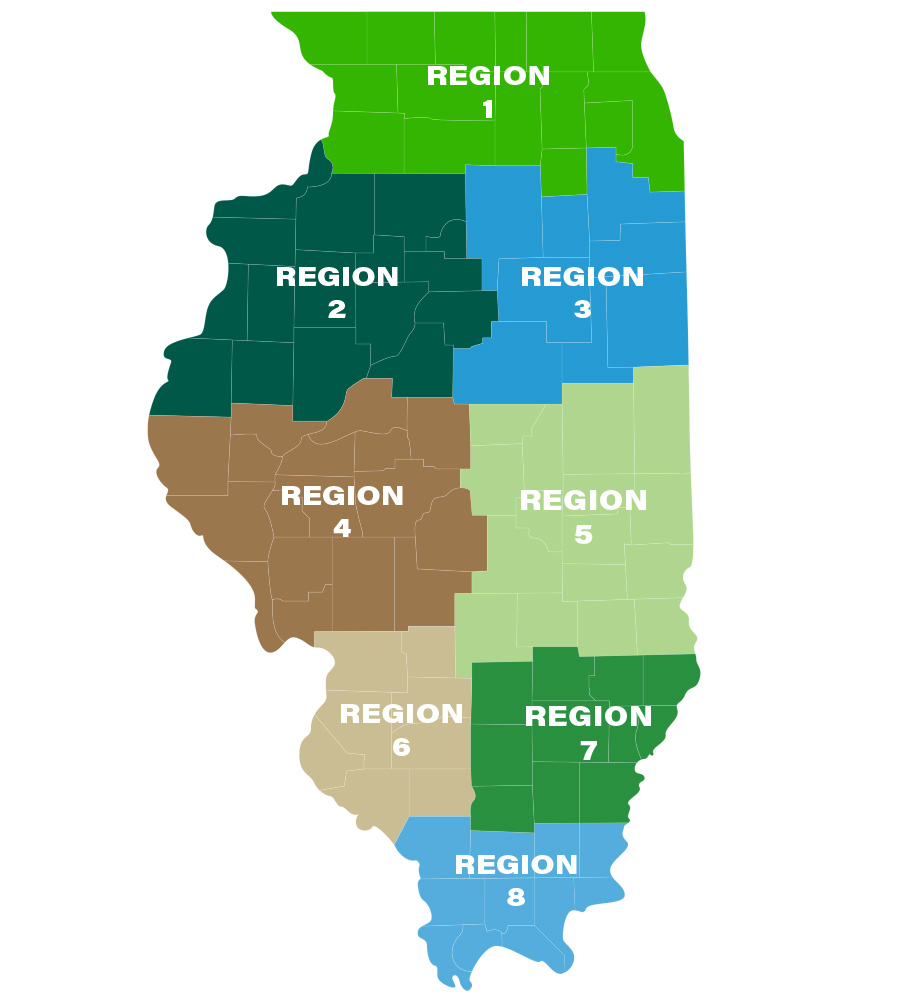
Another dry week for northern IL, with a few isolated storms occurring farther west or in Chicago. We have slid back into a predominantly D1 drought, with large areas of Kane and Will counties entering into a D2 drought. Corn and soybeans have started to grow out of the early-season stunting, but both crops are likely to be short overall this season. Temperatures dropped a little bit this past week but were still in the mid to upper 80s. Depending on planting date, corn is between 1,200–1,250 growing degree units as we continue to progress through the season.
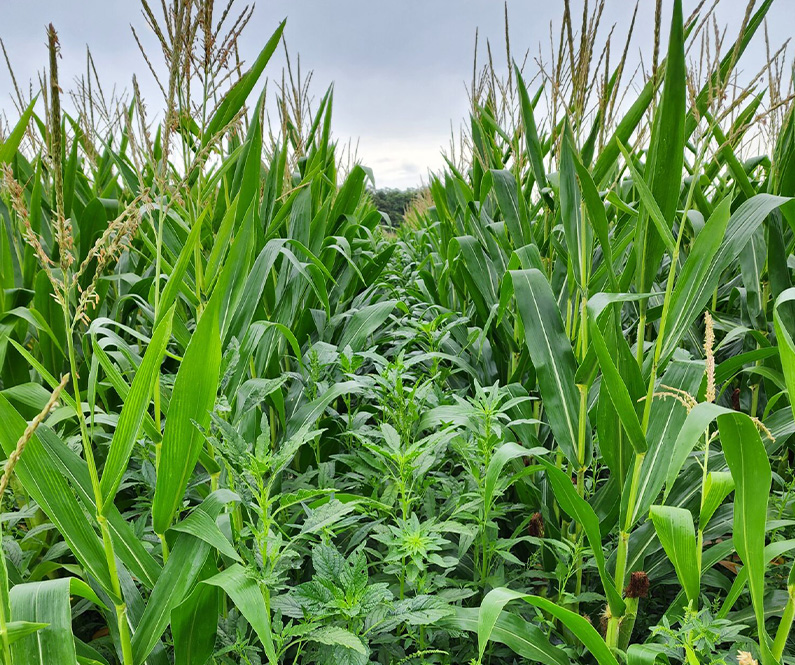
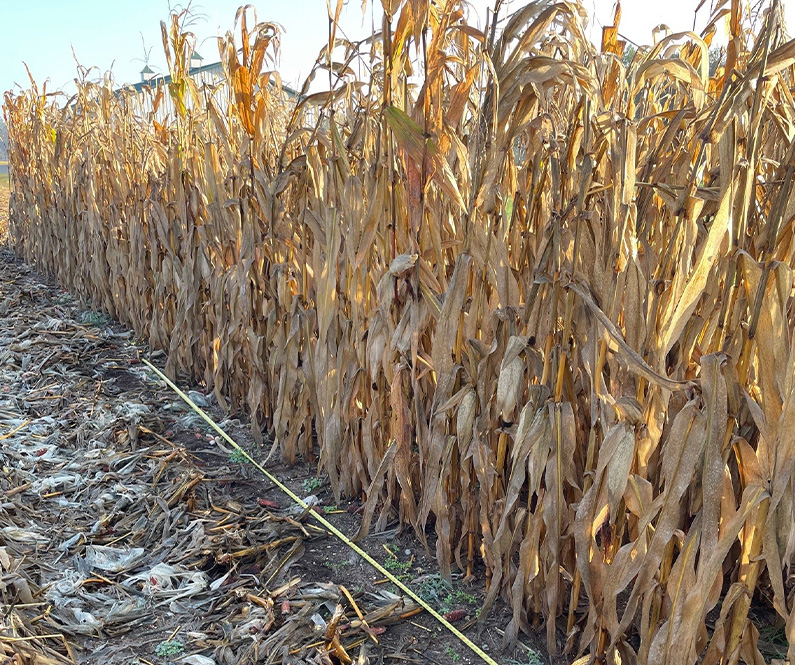
Corn is averaging V11–V13 across the region. Some isolated fields are still lagging quite a bit behind, around V8–V9, but an overwhelming majority are spiking. Ears are starting to develop, and a small handful of fields have tassels emerging. I expect that by next week most fields will have tasseling corn. Disease is still incredibly low for this time of year; I have not found tar spot in any fields that I have scouted — let alone gray or northern blight. Many areas south of the I-80 corridor have confirmed cases, with the only county north being Carroll County out west. I continue to encourage regular scouting of your fields to stay on top of diseases. I have not seen any insect pests, but fall armyworm damage has been reported in sweet corn, so that is something to monitor.
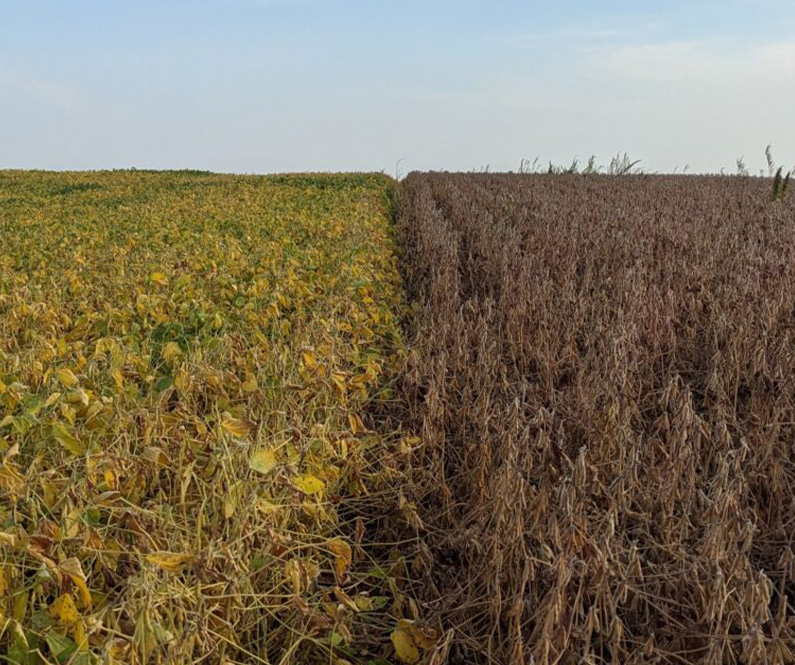
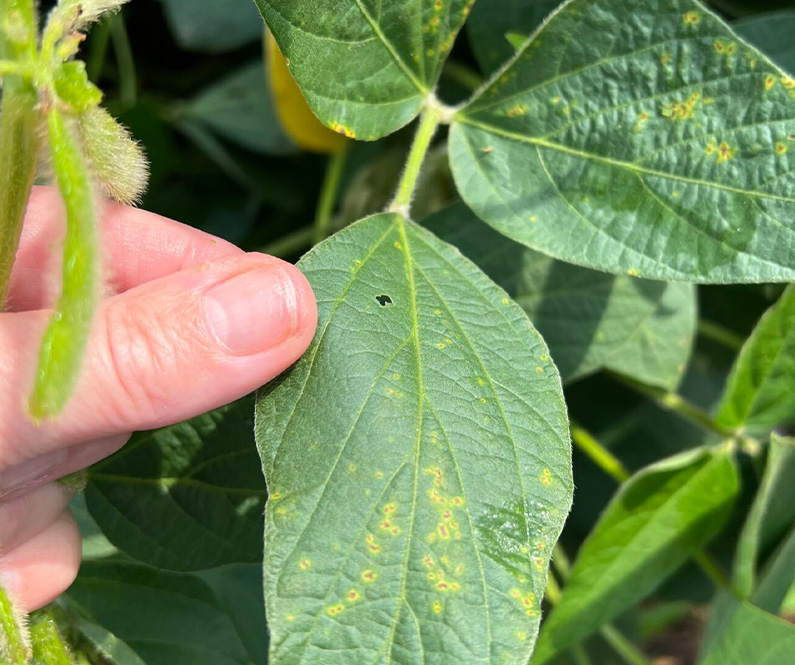
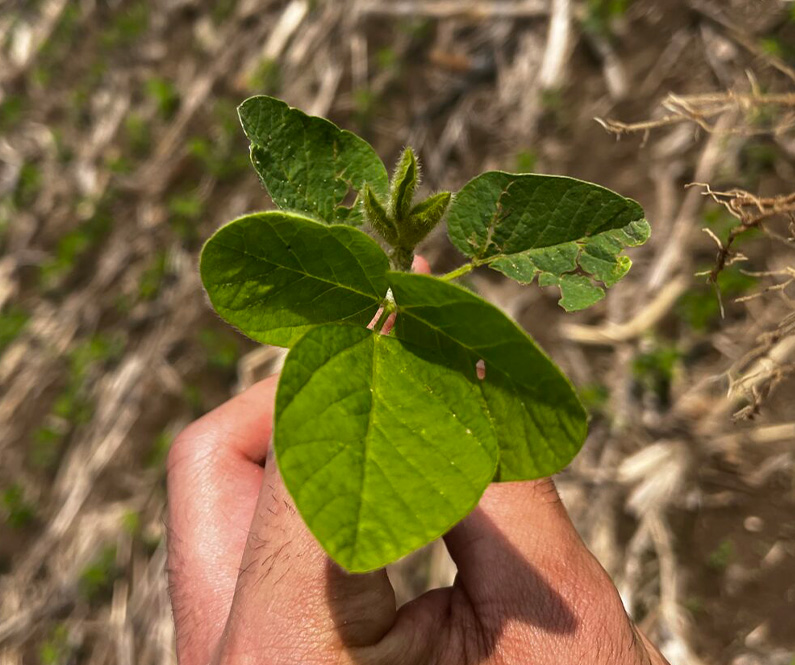
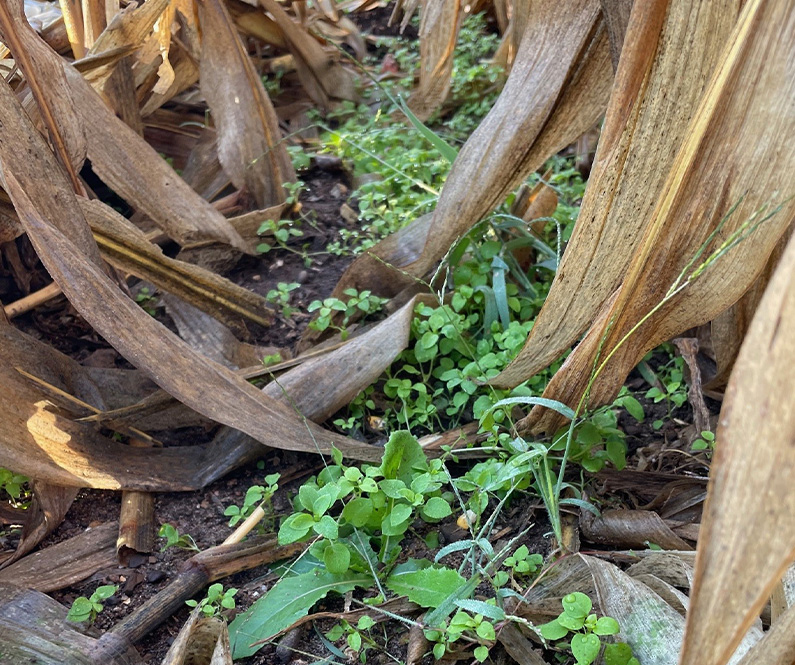
Soybeans are beginning to enter R3 as pods are developing on the lowest nodes. Plants are healthy and beginning to fully shade out the rows. I have not seen any diseases yet, due mostly to the weather. Japanese beetles are present in most fields, but numbers aren’t anything to be concerned about currently. I have seen quite a bit of herbicide residual burn on beans this season, and it’s unclear whether the hot and dry weather is the culprit or different chemical mixes. Either way, the beans are growing out of it.
If you see any disease, insect damage, or anything else of note as the season continues, please feel free to email me images with descriptions at sbbrand2@illinois.edu.
With about 0.5–1.0″ of rain and some cooler temperatures, this past week, corn and soybean crops in Douglas County are looking healthy during this vital flowering period. Most soybean fields are somewhere between the full flowering (R2) and beginning pod (R3) stages, with a few fields moving into full pod (R4). At least 50% of the corn fields I saw during my survey had started to flower. Most of those fields were still in the early stages of silking and anthesis (R1), but a couple of fields I visited were entering the blister stage (R2).
Wheat fields I drove by had all been harvested. Many had been planted to double-crop soybeans sometime last week before the rain, and I saw a couple of farmers getting ready to roll again as soils dried enough to allow for field traffic. In the southwest part of the county, several alfalfa fields had their second cutting, with one or two still standing. Oat fields looked to be a week or so away from harvest.
Scattered rain for the next several days. The crop is finally taking off. Corn growth stages are from emerging to Brown silk. Crazy spring!
Almost every growing season, farmers reach a stretch where the crop is “holding on.” That description fits much of northeast Illinois, as additional acres fall into the abnormally dry to moderate drought category on the U.S. Drought Monitor. With high daytime temperatures, corn plants are starting to “wrap” to conserve moisture. We are starting to see tassels appear on the earliest planted corn as it reaches a critical, yield-determining stage. Tar spot is starting its spread across Illinois, and statewide reports can be followed on the Corn ipmPIPE website: https://corn.ipmpipe.org/tar-spot/. This week, we are also in the window for applying white mold fungicides. The Crop Protection Network provides a risk assessment tool, using current weather data to help in fungicide decision-making: https://connect.doit.wisc.edu/cpn-risk-tool/. Limited precipitation has allowed for a quality second cutting harvest. Happy Fourth of July to all!
Overall, conditions in northern IL have remained hot and dry. We have consistently been missing the rain to the north or south, and the area is sliding back into a predominantly D1 drought. The rain we received a week ago has helped most fields recover from any drought stress, but the fields that have missed rain the entire season are struggling badly with skinny, withered, pineapple corn. There are a few chances of rain predicted in the near future, but overall it appears we will be seeing more of the same hot and dry weather.
Corn is still varying throughout the region, with some fields in Lake and McHenry counties being slowed and stunted around V6, while an overwhelming majority of the region is sitting around V9–V10. Some fields are at V12 with spike leaf present, but those fields are few and far between as I am writing this. The corn has jumped in height on average, but I am expecting a shorter, stunted corn plant this year overall due to the weather conditions. I have yet to find disease in any of the fields I have scouted this season in the area. The hot and dry conditions are suppressing any disease emergence on the corn, but areas that have been hit with isolated storms could still have disease starting to propagate. Overall, corn is short, thirsty, and disease-free going into the Fourth weekend.
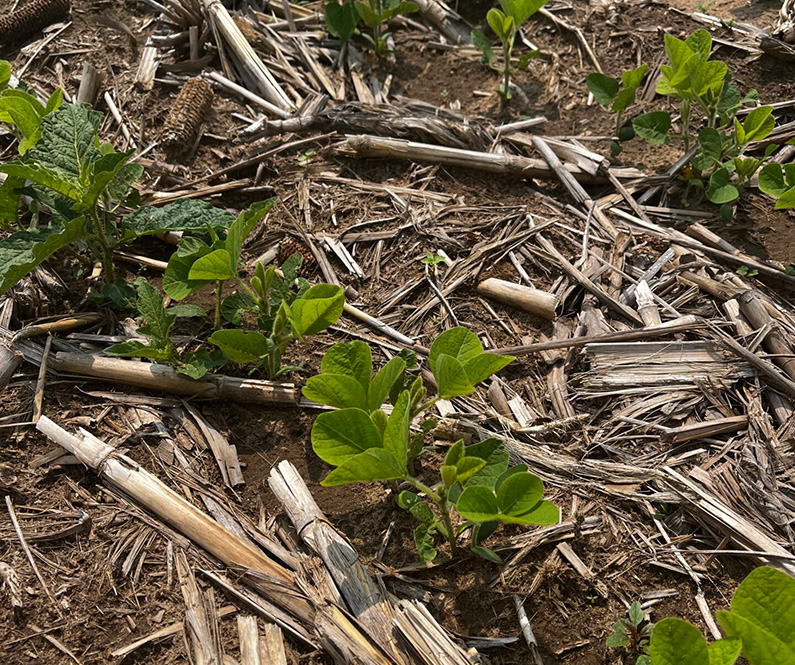
Soybeans are varying between R1 and R2. Flowers were present in every field I scouted. The soybeans are short overall, again due to the environmental conditions. Fields have not canopied very well — if at all — yet this season. I have not seen disease in the soybeans, but over the last couple of weeks there has been plenty of burn damage, which has been exacerbated by the hot and dry conditions. The beans should grow out of it, like they always do, but there is a lot of burn and cupping visible in fields.
Wheat is all but ripe across the north. Feekes 11.4, or full maturity, is upon us in most fields, and harvest should start rolling in the next handful of days depending on folks’ Fourth of July plans. Disease is all but nonexistent in the fields I’ve seen. The dry spring and summer never allowed the fungus and bacteria to take hold, and it should be a clean crop overall this summer.
Across much of the area, there are entire fields of soybeans exhibiting cupping. The widespread nature of the symptom could point to environmental stress as the cause, potentially from the hot and dry conditions over the past week and a half. Many soybean fields are still not canopied.
Corn has greatly increased in height recently due to the accumulation of over 240 GDDs during the past week and a half. I have not seen, and there have not been any reports of, disease in corn thus far this season.


 and then