
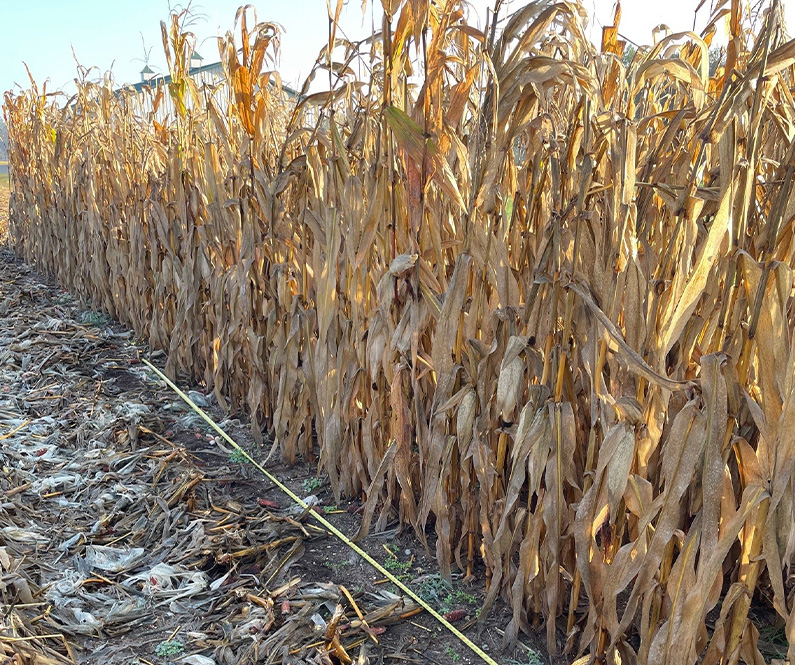
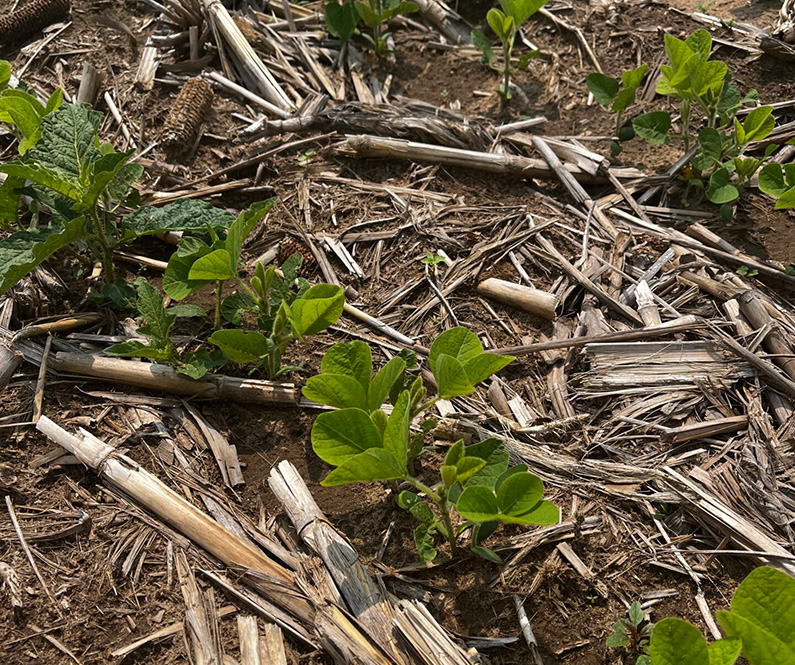
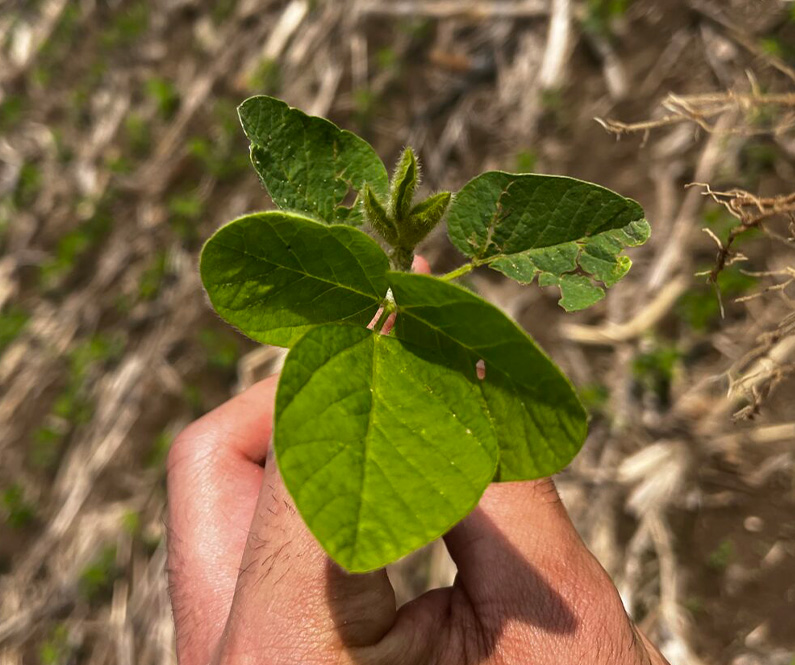
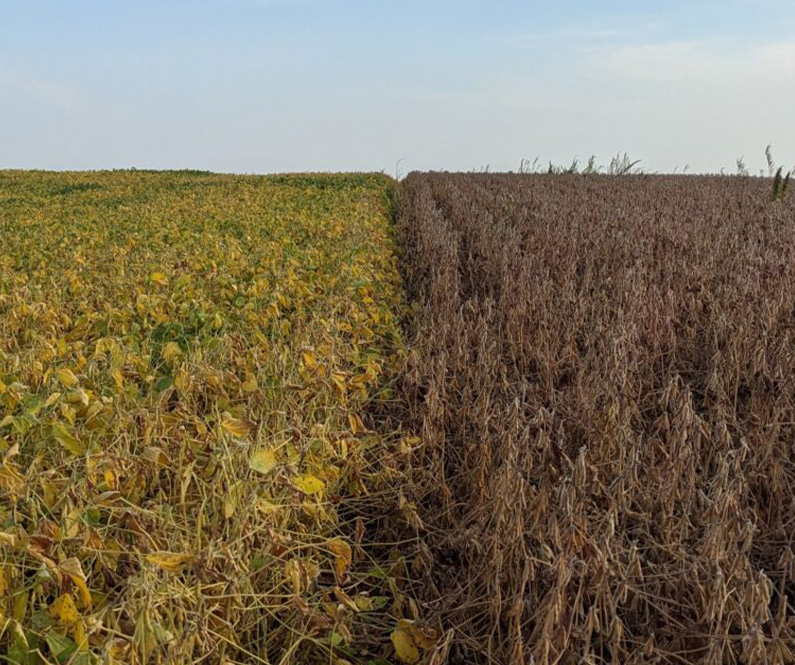
We have caught a very nice break from severe weather and storms, with some pleasant temperatures to boot, as we begin to enter the home stretch of the growing season. Corn fields across northern Illinois are starting to fire, while soybean fields continue to stay green and produce large pods and seeds.
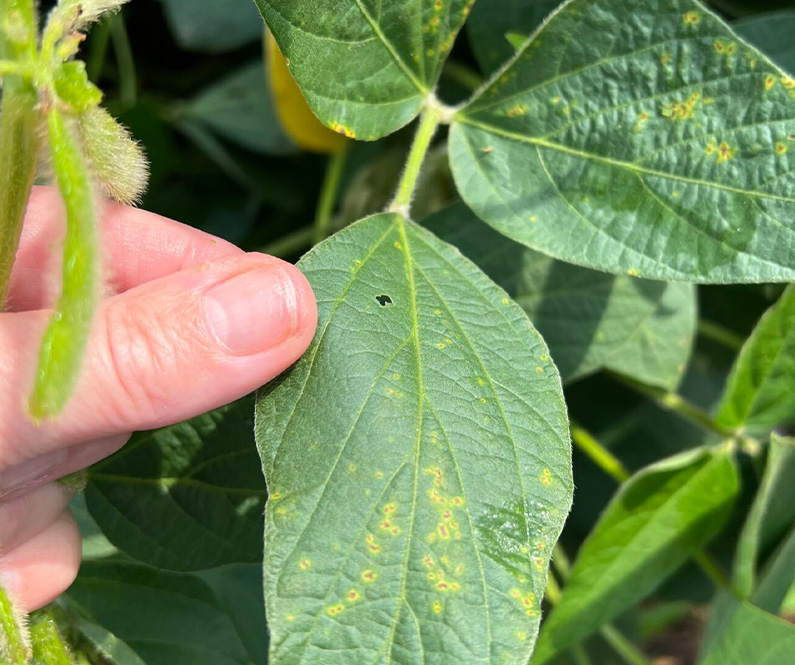
Disease is starting to show up in soybeans. Sudden Death Syndrome (SDS) as well as Septoria leaf spot are the two main diseases I have seen. I have not seen white mold, and have only heard of a few fields so far with Red Crown Rot (a disease that has nearly identical foliar symptoms to SDS). The fields affected by the listed diseases will defoliate quickly, and cap pod fill overall. Soybean fields as a whole have looked great this year, and high yields should be expected if what I have scouted is any indicator.
Corn continues to move towards black layer and physiological maturity. Disease instances remain low even as we approach September. Tip back is something to be monitored closely, as many fields were going through pollination during a heat dome, dealt with wildfire smoke, and week-long overcast conditions. A dry and hot September may accelerate dry down as well. More updates to come next week!
I visited Ford County this week, and like Champaign County, flooded conditions have returned to areas affected earlier this growing season. The flooding seemed to be a bit worse in the southern part of the county and improved as I traveled north, which is consistent with precipitation estimates from MRCC and rain gauge data from ISWS and CoCoRaHs from the past couple of weeks. To some extent, the flooded areas are already absent of a crop due to early-season flooding. But in a number of fields I stopped at, the current flooding extended into previously healthy crop. That crop is now either dead or has signs of stress, disease, and early senescence, leading to incomplete grain fill, low seed weights, and potential grain quality issues.
In fields or areas not affected by the flooding, soybeans are at or near full seed (R6). Soybean canopies, for the most part, were still relatively clean of disease, but a minority of fields do have some disease symptoms starting to show in patches. Disease symptoms were a bit more prevalent in corn fields visited, primarily gray leaf spot and northern corn leaf blight, but severity was still relatively low, overall. Corn was generally somewhere in the dent (R5) growth stage, getting close to black layer in a handful of fields.
Both corn and soybean fields are maturing well and looking promising… or they suffered from recent heavy rains/winds and are visibly struggling. While flooded fields have mostly drained over the past week, you can still see the evidence of high waters in bean fields where plants were drowning and are now painted in a layer of soil, or in corn fields showing N deficiencies and early dry down. Some areas that needed the precipitation have soaked it up and appear dry again. The precipitation received this month, coupled with the more mild temperatures, will really help the soybeans as they finish off grain fill. As the saying goes: Beans are made in August.
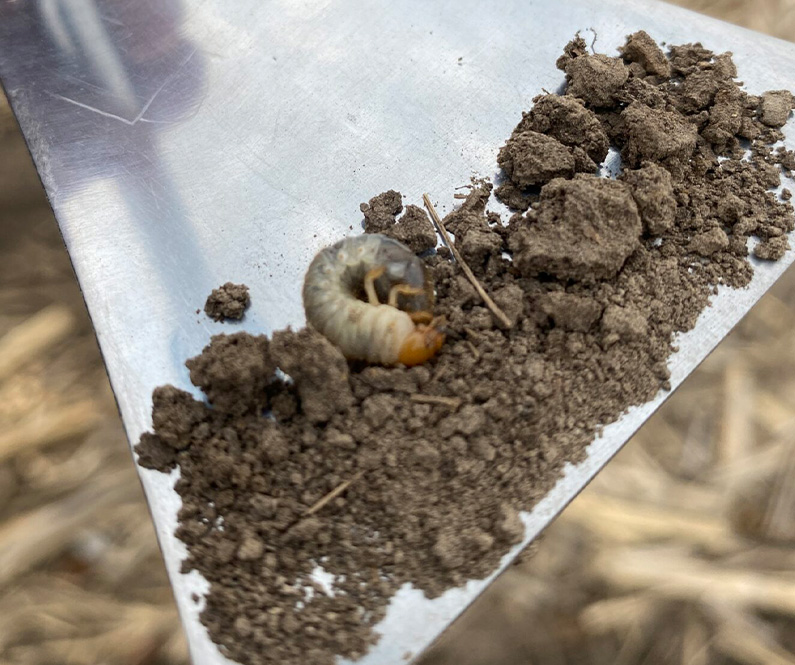
One insect I’ve seen a lot of lately is thistle caterpillar. Thistle caterpillar, the larval stage of the painted lady butterfly, will build a very distinctive web in soybean leaves and cause defoliation. Threshold levels for control have not been met in fields I’ve scouted, but one double crop field I visited had notable pressure. Per Iowa State University Extension, these caterpillars are a migratory pest, coming north from the southern United States and Mexico, and likely do not overwinter in our climatic region.
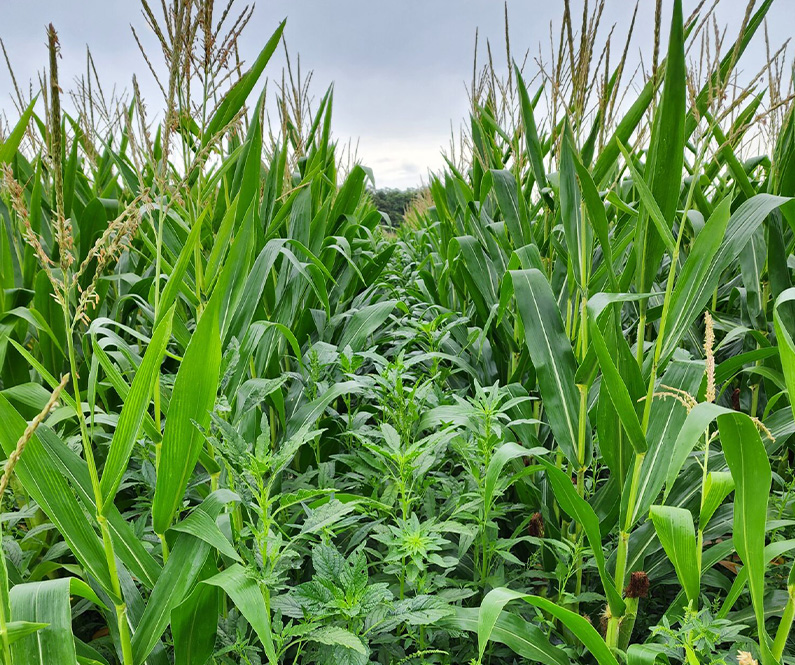
The region has received 9+ inches of rain over the past two weeks, leaving soils saturated, fields muddy, and drainage systems running at full capacity, with limited field activity. Soybeans are mostly at the growth R5 stage and benefiting from the August rainfall, while corn is moving from dough to dent stages as growers are beginning yield checks to see what harvest could look like. Weed pressure remains present, but disease levels are surprisingly low, with only some gray leaf spot and northern corn leaf blight being observed. Northern corn rootworm beetles have become more noticeable over the past few weeks.
Generally, the corn and soybean fields look very good. The exceptions are fields that have been damaged by severe weather, or flooding.
Over the past week, symptoms of Corn Crown Rot have become visible in areas of some fields. What I am seeing is these affected areas are patches of dead, lodging corn plants. Dr. Boris Camiletti, Extension Plant Pathologist, said the photo above appeared to be Corn Crown Rot. A sample is being sent to the U of I Plant Clinic for a diagnosis. Corn crown rot disease infects corn plants in the early portion of the growing season, and the disease is more prevalent in wet, compacted soils.
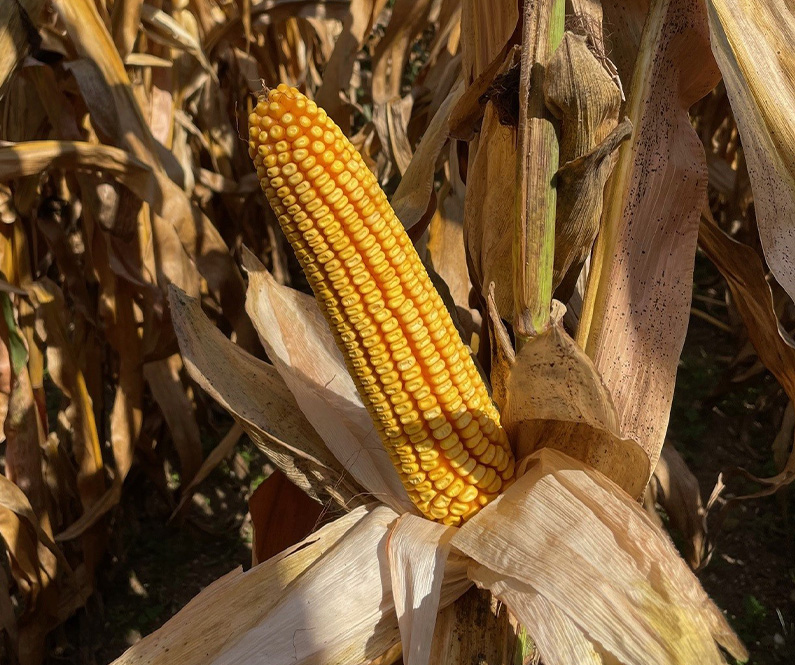
The heavy storms and even a derecho have passed and we have been left with some gorgeous weather to end the week before some more rain chances next week. Not too many updates agronomically from my last update. Corn has moved into R5 dent across northern Illinois, with many fields at the early stages of senescence. I did find a good amount of tip back in corn in the fields I visited, and I attribute that to the heat dome we experienced coinciding with the end of pollination. The extreme heat and low winds we saw will kill pollen, and lead to lower movement of the pollen that did survive. There will be yield reductions in the fields I saw today, but the severity of the tip back you may see in your fields will align with planting date, and where your fields pollination lined up with the severe heat events we have seen this summer.
Soybeans are looking healthy with little disease. I did not see pockets of SDS as I was expecting, but that may still develop in the coming weeks. Soybeans are moving through pod fill in R5, and were very tall and robust in the fields I saw today.
Overall I’ve found very little disease in the Dekalb sector, with little to no tar spot, and very little disease in soybeans. Cooler temperatures next week may change that, but I feel like I’ve been saying that for weeks now. Tip back and lack of kernel fill is the major concern seen today.


 and then