
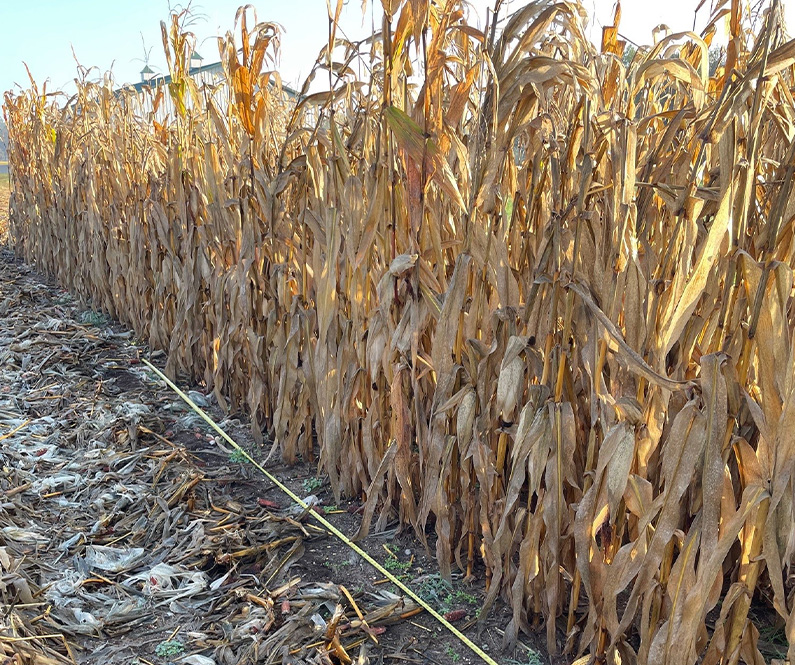
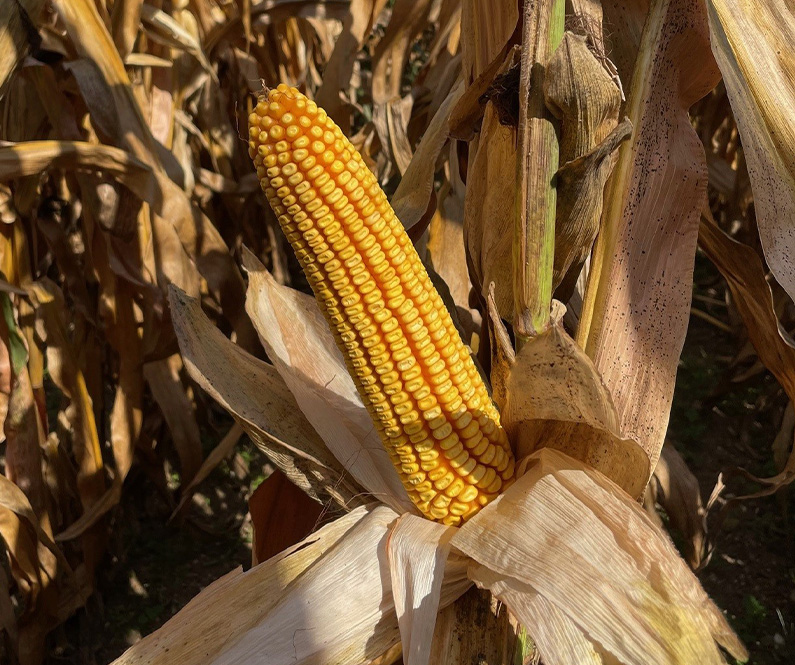
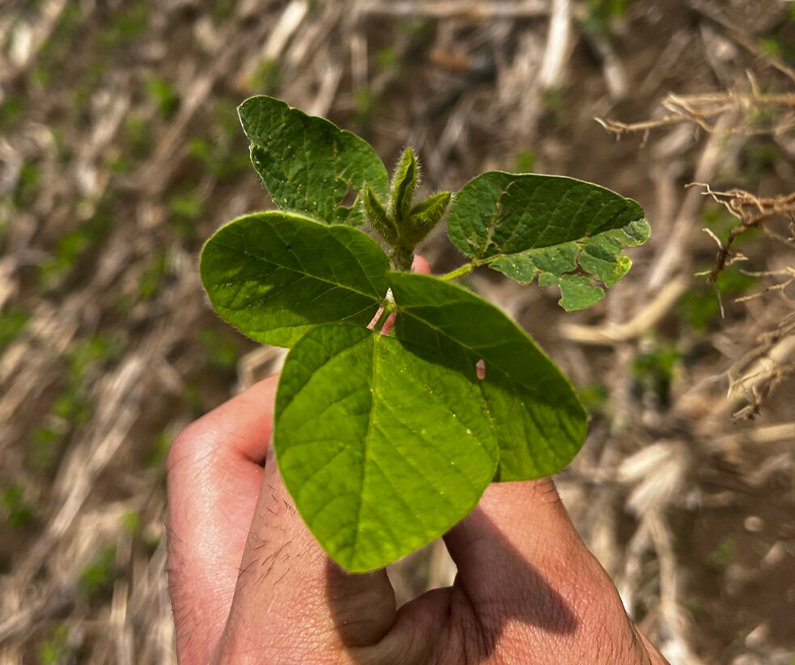
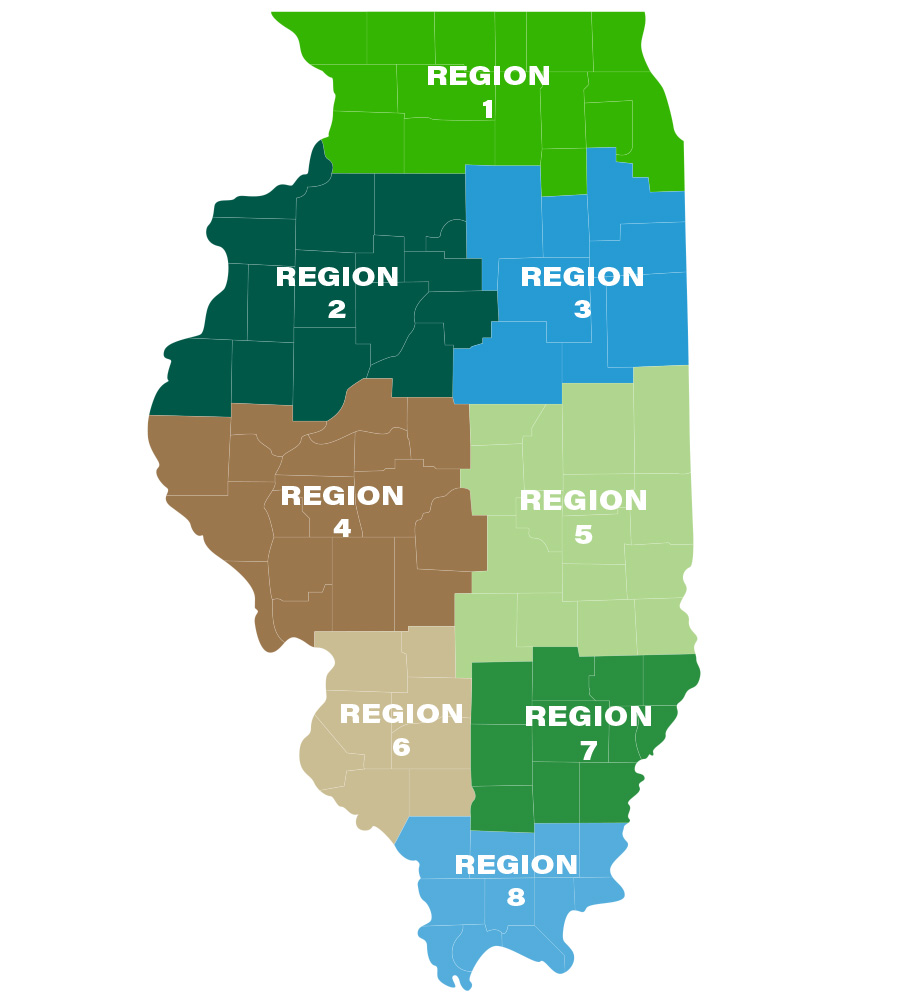
Despite the seasonally warm temperatures during the last week, many crops across Logan County benefited from a rain shower early in the week. Most of the county saw 1 to 2 inches of rain, which will undoubtedly help crop growth. Many corn fields are moving into the R5 “dent” stage, with not many lagging behind the leaders. Much the same can be said for soybeans, with most fields in the R5 seed stage.
This week, Dr. Giovani Preza Fontes, assistant professor and agronomy extension specialist at the University of Illinois, visited the Grundy-Kendall County area and met with area producers, where he shared expectations for both state and local yields. Farmers were provided with recent weather data and were encouraged to take kernel and population counts to determine yield estimates in their own fields.
The pattern of variable rainfall and pop-up isolated thunderstorms discussed was demonstrated that day, with rainfall ranging from 0 to 2-plus inches within a 40-mile radius. Most corn is at the R5 stage, and the likelihood of a return on investment from a fungicide treatment (or additional treatment) at this stage is unlikely. That said, scouting corn that did not receive a fungicide treatment in some fields is like taking an introductory course in plant pathology. Symptoms of tar spot, northern corn leaf blight, gray leaf spot, and southern rust can all be found.
Recent environmental conditions have been especially favorable for the development and spread of southern rust. All leaf diseases are reducing photosynthetic leaf tissue that would aid in grain fill.
Soil moisture conditions across the three counties vary from wet to moderate drought. Rainfall has been quite variable across this area.
Soybeans planted in April are in the R5 (full pod) stage. The April-planted corn is in the R4 or R5 stage. Crops look good even in the dry areas at this time.
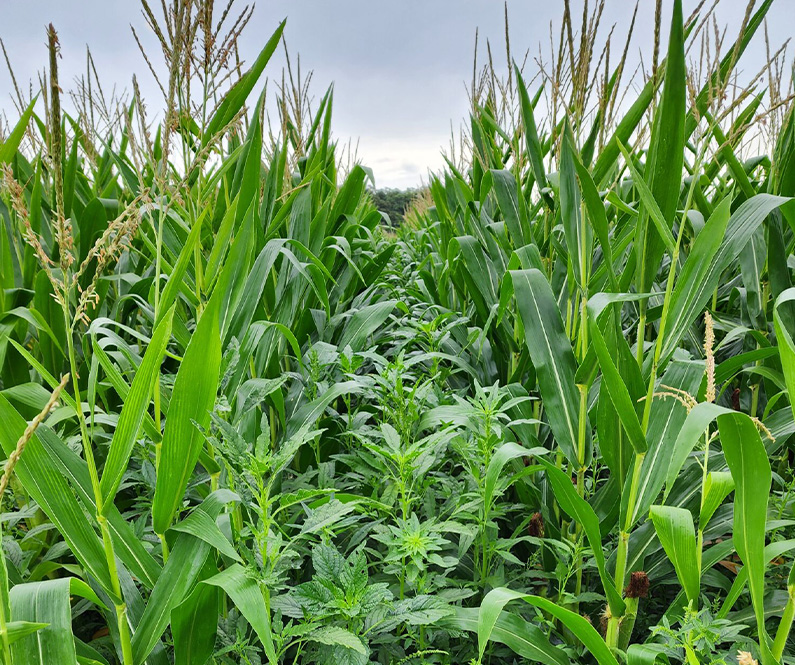
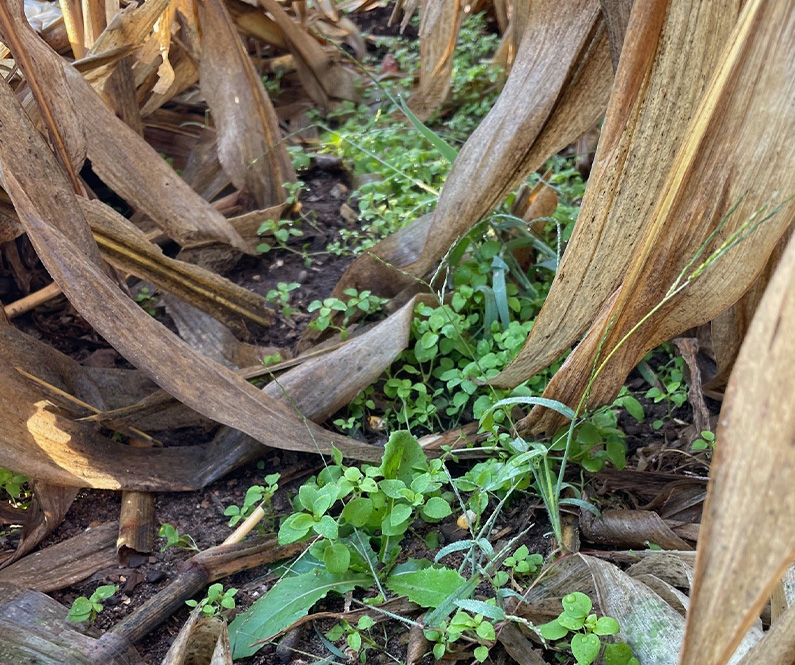
Weed control has been very good. I have noticed that conventionally farmed soybean fields with weed issues typically only have a problem with one weed group—either the Amaranthus family or velvetleaf (Abutilon theophrasti). Grassy weeds have not been an issue across the area in conventionally farmed fields.
This week’s survey in the southern half of Iroquois County showed good crop conditions overall, but with some variability across the surveyed region. At the time of this survey (8/12), overnight rains in much of the area had replenished topsoil moisture in most fields surveyed. However, soil cracking and tip dieback in corn were found in several fields.
Corn fields surveyed tended to be in the R4 “dough” to early R5 “dent” stages. About a third of the fields showed an inch or more of tip dieback, presumably due to moisture stress, given the soil conditions in the field and the lack of evidence of N stress in the plant canopies. Signs of foliar disease were minimal in corn.
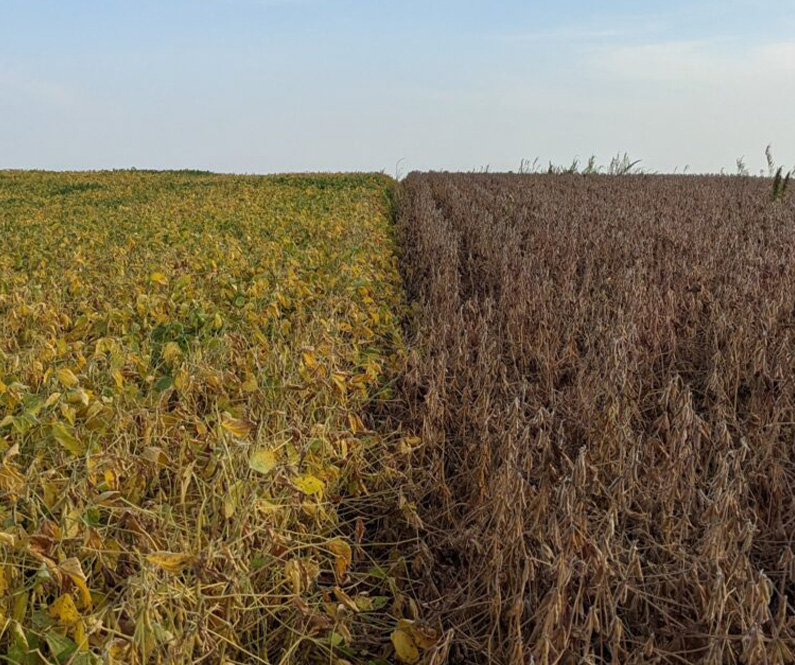
Soybean fields surveyed tended to be in the R4 “full pod” to R5 “beginning seed” stages. Plant health looked good overall, but some fields showed areas of stunted growth and a lighter canopy color. At this stage in the disease progression, observed symptoms did not provide a clear diagnosis. If you are seeing this in your field, submitting samples to the Plant Clinic (https://extension.illinois.edu/plant-clinic) can help with early diagnosis.
The beans are TALL as they enter the mid-R stages of growth. All fields I scouted this week were between R3 and R5 (beginning pod to beginning seed), depending on planting date. Corn is currently around the R3 to R4 (milk to dough) stage.
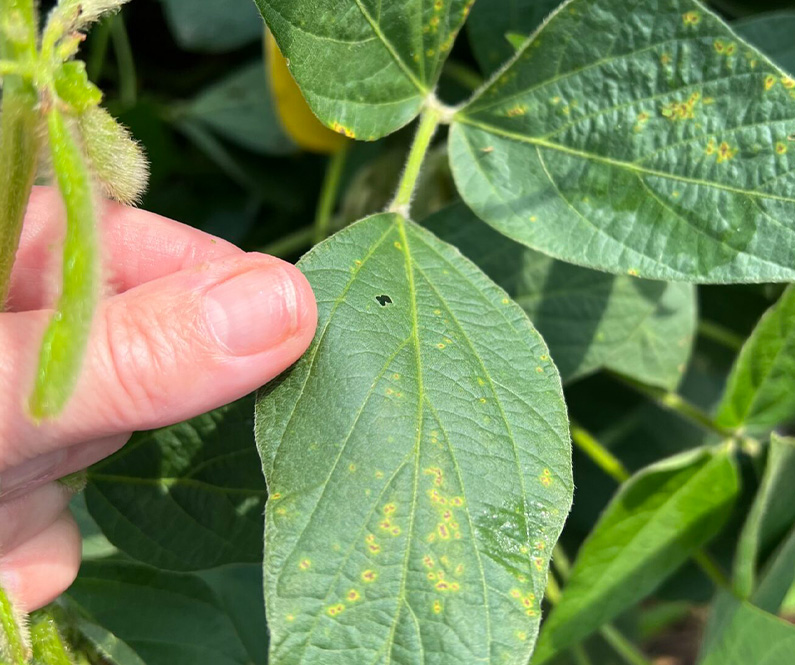
Stephanie and I saw some red crown rot in soybean fields around the Shelby/Macon County area, specifically in fields where she found it two years ago. The disease shows very visible symptoms, including yellowing and browning between the leaf veins (interveinal necrosis) as well as reddish discoloration at the base of the plant near the root. When you look at the root of a soybean plant infected with red crown rot, you’ll often notice white fungal growth (mycelia). Warm soil temperatures (77–86°F) are ideal for this fungus to thrive, so the recent warm days have likely contributed to its presence.
A week without precipitation, and northeast Illinois returns to abnormally dry on the U.S. Drought Monitor. Disease pressure in corn is starting to build as much of the crop has reached R4 (dough stage). A Corn Fungicide ROI Calculator tool—accessible on the Crop Protection Network website—is designed for both gray leaf spot and tar spot when corn is in the V10 to R3 growth stages. It requires inputs for expected yield, marketing price, and either a low or high disease estimate. Using those inputs, the tool provides a breakeven probability for most commonly used fungicides. Iowa State suggests that, regardless of which fungal diseases are present, a fungicide application after R3 is not likely to provide a return on investment.
This week I traveled to campus for the Illinois FFA Crop Scouting Competition. A windshield survey of the 90-mile trip on backroads from Champaign north to Grundy County suggests, once again, some remarkable corn and soybean crops in this region of the state.


 and then