
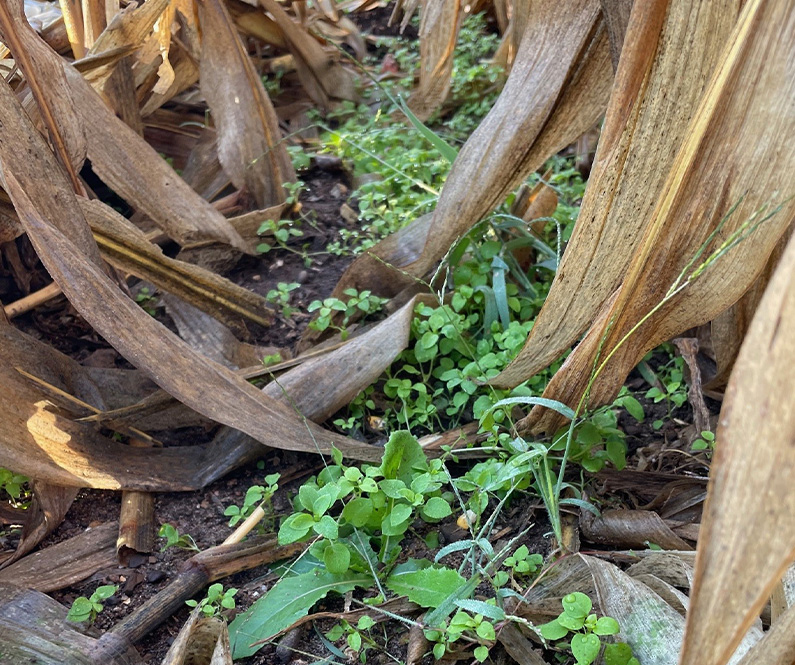
As of the middle part of the week, row crop status seemed to be as follows:
Planted corn acres stand at 90% with 7% planted, but not yet emerged. Better than 40% of the crop was at V1 with roughly 18% of the crop in the V3 to V4 growth stage.
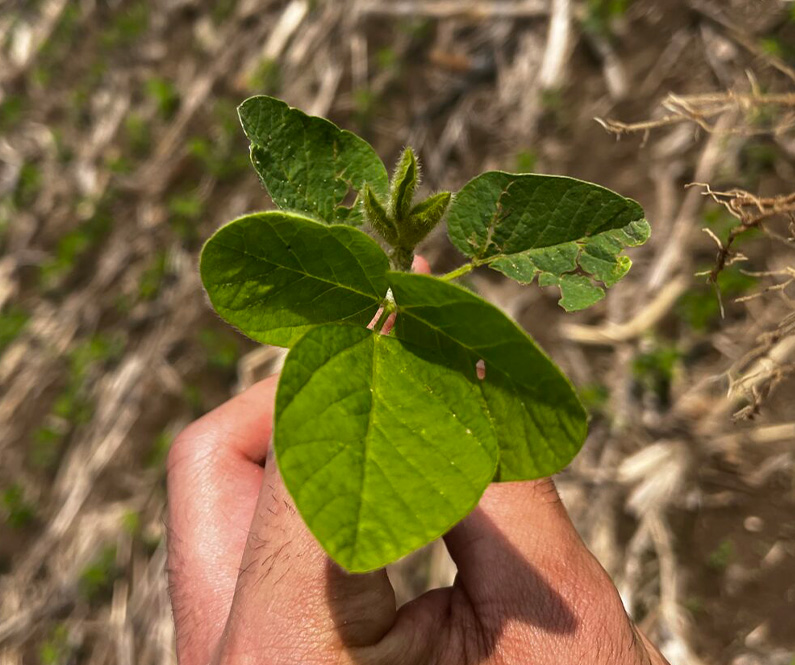
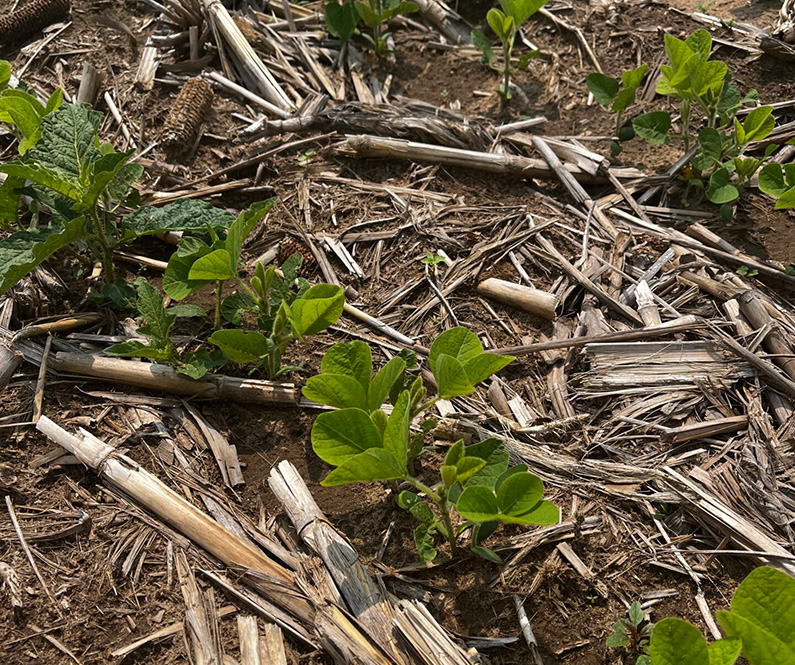
Planted soybean acres stand at 88% with about 10% of the crop planted, but not yet emerged. Better than one third of the crop was at or just past the unifoliate stage. Almost 20% of the crop was displaying one to two trifoliates.
Hay producers seized a brief lull in rain to get about 85% of alfalfa cut. As of this report, about 5% had been baled.
The wheat crop continues to progress rapidly with growers beginning to speculate cutting the crop a couple weeks earlier than the norm.
By Tuesday, growers in many locations began to apply herbicides.
While a portion of the planted crop will need to be replanted or augmented due to ponding and crusting (some locations saw a few inches of rain over the past week), actual replant numbers feel lower than one might have thought a week ago.
70-80 degree temps have finally allowed more recently planted crop to emerge. The warm spell has begun to nudge a portion of the crop from “ugly yellows” to healthier green.
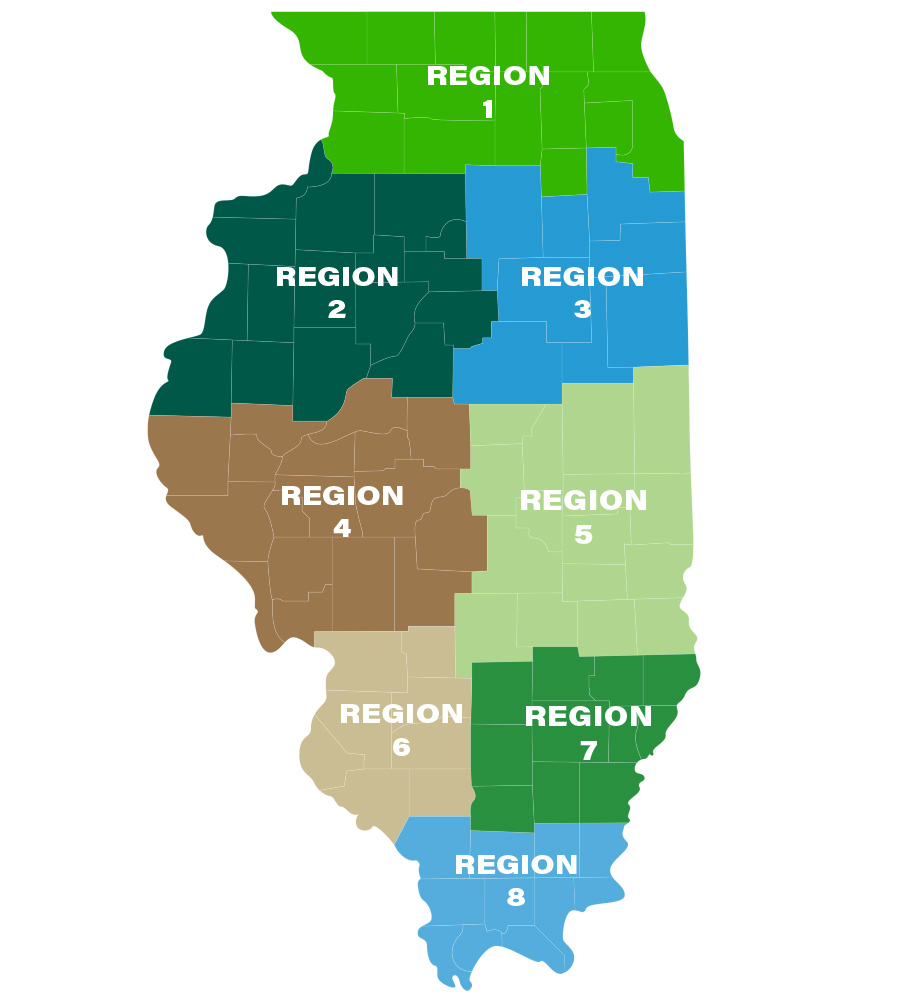
Wind and rain have slowed fieldwork over the past two weeks, with 1.5 to 3.5 inches of scattered rainfall. On May 4, brief field activity occurred, but high winds caused a dust storm and emergency alerts. A few growers are now working drier fields. Soybeans are emerging (VE), and corn ranges from VE to V2, with some replanting needed due to standing water. Wheat across Region 5 is at Feekes 10 to 10.5.1 and generally looks very good, though some winter annuals remain in unworked fields.
We have received almost an inch of rain this week, and it is currently raining as I type this report. There has been no field activity. Growing conditions have been cool and not conducive to crop growth. There has been a lot of talk about potential replanting if it ever stops raining. The soybeans near my house are finally emerging after being planted and sprayed three weeks ago. If we ever dry up, the focus should be on planting corn as we approach mid-May. Weeds appear to be mostly controlled, with some breaks near ditches.
We are noticing a trend in weather with rain patterns at the beginning of the week, suspending fieldwork for many farmers until typically late Wednesday or early Thursday due to cold, overcast weather conditions following the rain events. Weather continues to be an issue, with cooler temperatures in the 30s at night and frost as we wake up in the morning. This slows the pace for everyone as we wait for the sun to shine and temperatures to climb to get field activity rolling in the mornings. The struggle to get soil conditions near optimal continues as farmers try to finish planting season and we try to finish pre-herbicide applications. With more rainfall in the forecast next week, we may see the same trends again. Many conversations focus on the weather and what the right thing to do is with current forecasts. Many are getting anxious, but we reflect on the past few years and how great the conditions have been in our territory.
Cold and damp conditions continue across much of the area. Many operations are sitting around 25% planted or less heading into the weekend. What corn is in the ground is beginning to emerge. Most beans planted are still sitting un-emerged. Crop health will be monitored closely in the coming days, as a lot of the area had frost Thursday morning.
Hello and welcome back to another year of crop scouting reports! For those who don’t know me, I am Steve Brand, a commercial agronomy specialist covering the northern region of Illinois through University of Illinois Extension. To start our crop scouting journey this year, we have had quite a difference from the start of 2025 in that we are not currently in a drought. The problem with that is, to get to this point, we have had excessive rain across all of northern Illinois through March and April, with some cooler temperatures to boot. Fields are currently still wet, with little corn and soybeans in the ground by the end of the first week in May.
Driving through Lake County, McHenry County and DeKalb County this week showed little field activity, with few fields planted overall. Recent storms followed by cool and frosty nights have led to very poor drying conditions. As we enter the weekend and next week, I expect fields to dry out and the big planting push for corn and soybeans to begin. A bit farther south along the Interstate 80 corridor, I saw active field tillage, pre-emergent herbicide applications and general field maintenance in preparation for planting, so those areas are a bit further ahead than the far northern reaches of the state.
With the large amount of rain accumulated in April, we also saw plenty of localized flooding along the Fox River and Rock River, with some areas seeing 2- to 3-foot water-level increases. Those levels are close to returning to normal as I write this. April obviously brought plenty of severe weather to induce the flooding. Illinois, from Jan. 1 through April 30, has experienced 119 tornadoes across the state, which is more than double the number of the next closest state. I, for one, am hopeful these weather patterns have passed and we can move forward into the summer with calmer weather.
I’ll see you all next week with another report, and I am excited to see fields planted through the weekend and really get this season underway.


 and then