
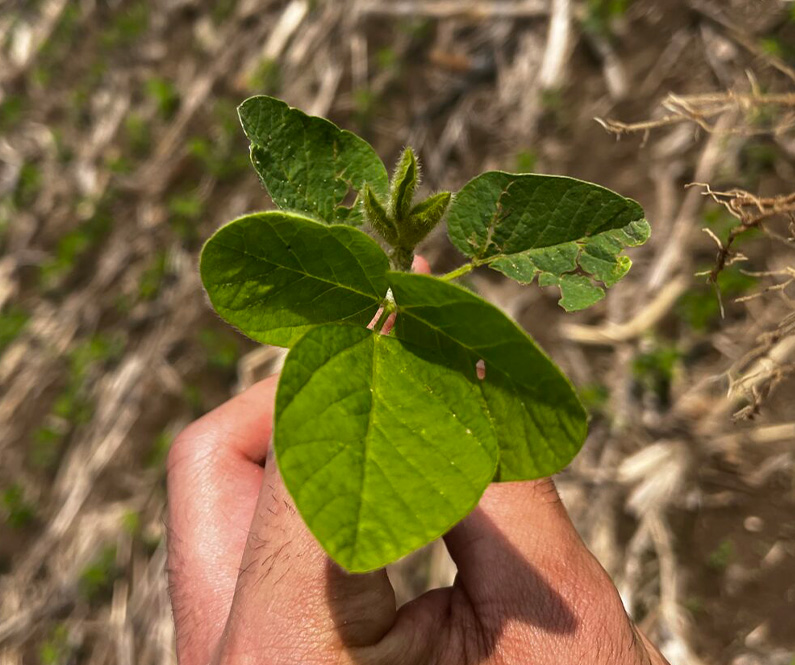
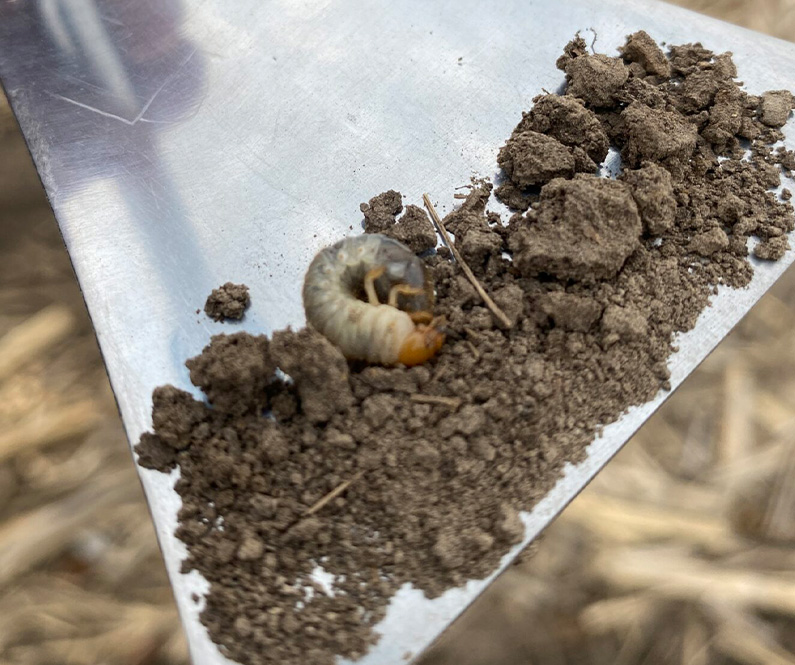
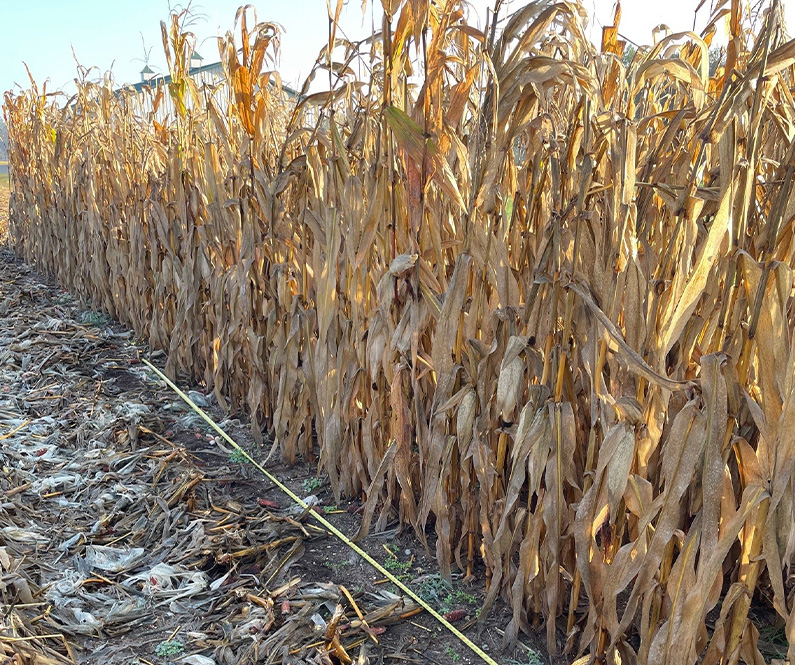
The recent heat has caused crops to quickly grow. If you listen closely, you can hear the corn growing. Soybeans are starting to try to canopy and just started to flower (R1). No major pests or diseases seen at this time. We have been blessed with an almost weekly rain. There are still areas in the county that have not been planted or just recently planted or replanted due to heavy rains.
Corn, soybeans, and wheat are all quickly progressing. Some early-planted corn crops are already waist high, greatly preceding the old “knee high by the 4th of July” saying. Recent rainfall events as well as tornadic winds have resulted in lodged corn in some fields. Precipitation that came along with the storms was needed in these counties but came so quickly that some fields were ponding again. Wheat fields have turned and will be harvested soon.
Although the entire month of May saw just under an inch of rain in total, the beginning of June has brought some relief with over two inches of rain deposited thus far with more on the way (based on data from the Water and Atmospheric Resources Monitoring Program Freeport station – your mileage may vary!).
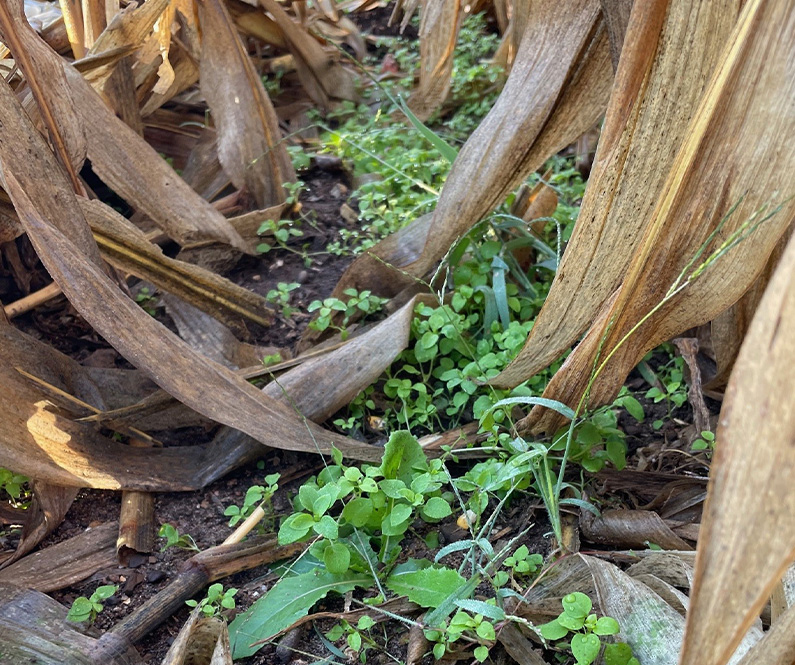
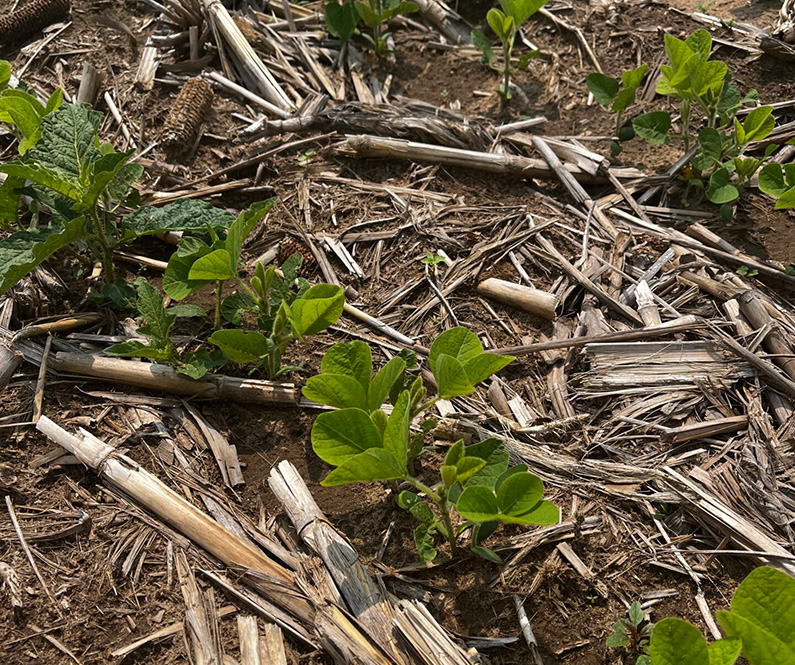
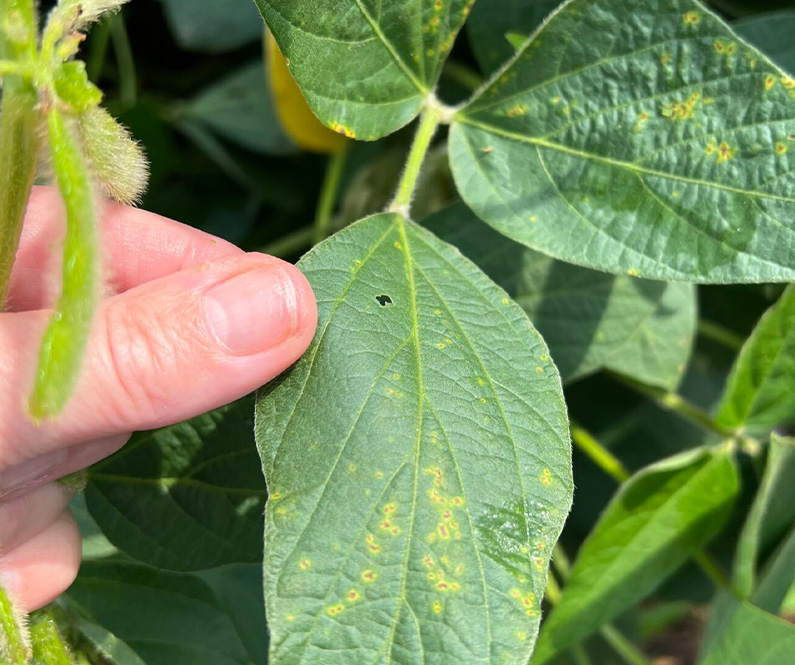
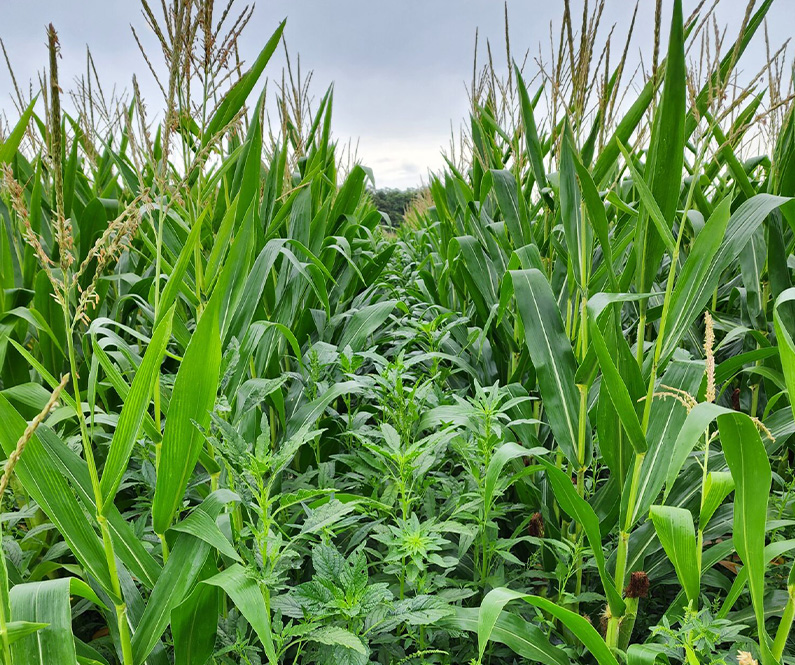
Stephenson County is the home of the first reported population of Asian copperleaf in Illinois (https://extension.illinois.edu/news-releases/novel-illinois-weed-species-asian-copperleaf-identified-northern-illinois). Although originally thought to be a late emerging weed typically not noticed until after harvest, seedlings have already been emerging over the last couple of weeks. When scouting prior to making post emergence herbicide applications, keep an eye out for Asian copperleaf. For help with identification, see the attached photos as well as the Asian copperleaf fact sheet from Illinois Extension at https://extension.illinois.edu/media/9233/download?inline.
If you suspect you have Asian copperleaf, please contact Kathryn Seebruck at 815-986-4357 or seebruck@illinois.edu. Reports can also be made at https://www.eddmaps.org/.
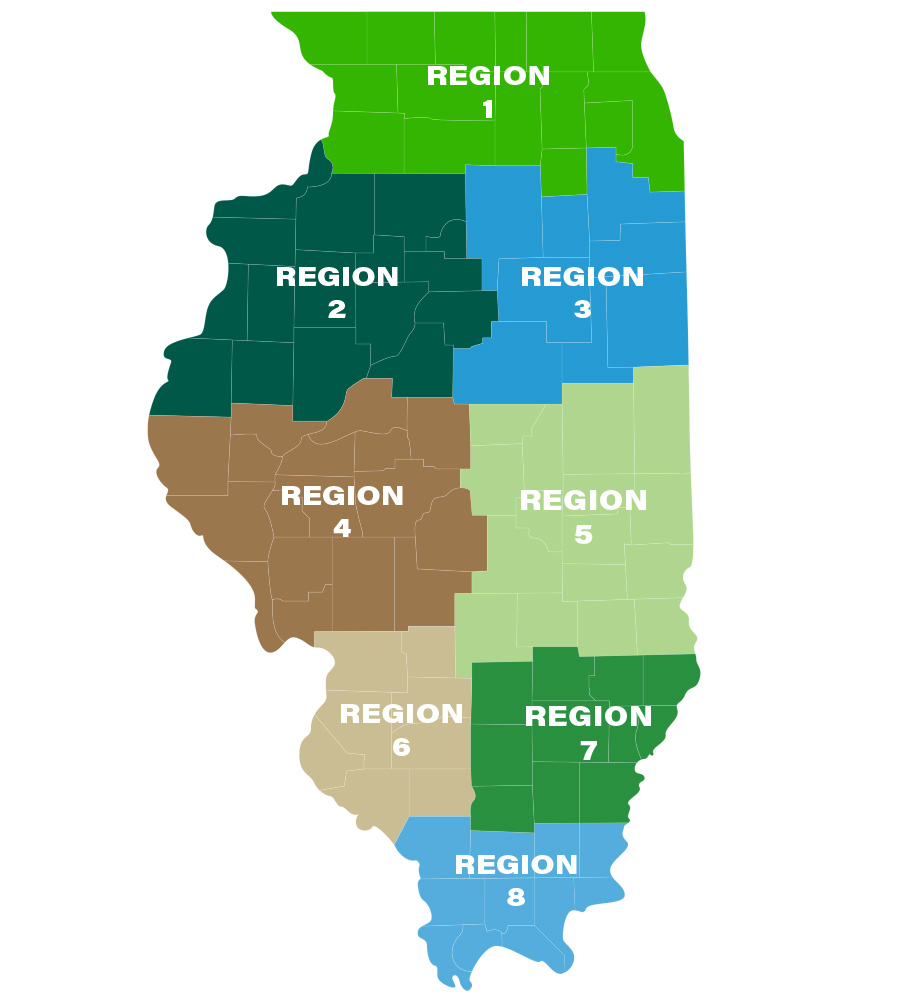
Weather continues to be the story for our region. Luckily, the week of May 31st, we were able to have a productive week in the fields spraying post emergence corn and soybean herbicide applications along with dry fertilizer top dress applications. The week of June 7th has been surrendered due to unpredictable precipitation and severe weather events throughout the region. Flash flooding has been a concern with rainfall totals nearing 10 inches in parts of our region. With this heavy rainfall and saturated soils, many fields have corn leaning. Weeds continue to be a problem and a concern in our crop fields, with the uncertainty of when we will be able to return to post herbicide applications. Corn growth and development have skyrocketed these past few weeks, with high humidity and warmer temperatures driving growth. Soybeans seem to be taking off as well, but 30-inch rows are a way away from canopy. Lightning bugs indicate scouting for corn rootworm will be necessary in the coming weeks. With the heavy rain this past week, it was a perfect opportunity for us to take a couple of days to support and connect with our local FFA section and chapters at the 98th Illinois FFA State Convention.
Another week, more beautiful and perfect weather for outdoor activities. More notably, another week of little to no rain as we continue to progress into an early summer drought. Most of northern Illinois would be considered to be in a D1 moderate drought as of now. The forecast is promising, with chances this weekend, and most of next week to remedy how dry it has been. With moisture in the forecast, disease monitoring, and keeping an eye on weed pressure should come back into focus. Between corn, soybeans, and wheat I have seen little to no disease to this point in the season which is a great start with how wet April was.
If I could describe the growing season in one word, it would be variable. Varying planting dates, emergence dates, growth stages within the same fields of corn and soybeans. We are seeing ranges of anywhere from stuggling to emerge, to 3rd trifoliate or V3 in corn within many fields across the area. Hopefully the rain will even these patches across the fields over time, but some significant differences are being seen across corn and soybeans.
Wheat is in early feekes 11 or ripening stage. Fields look healthy with little disease, and the weather has progressed the crop nicely as they begin to enter senescence.
Thats all for this week, and we shall see what sort of rain we get in the next week!
Soybeans vary from V2 to V5 in general, with some fields showing the effects of early crusted soils and reduced emergence in those areas. Tall waterhemp has reached the 4-inch stage by the middle of the week. Corn varies from V2 to V7. All the crops have good color in spite of it being dry for the past 14 days. NOAA shows that the 3-county area has 2 to 3 inches below average rainfall over the past 2 weeks. Grass is browning in the lawns.
First cutting hay is being made. Sidedressing of corn is wrapping up, and post-emergent herbicide applications are in full swing.


 and then