
It’s a wild, weedy world out there, but some scientists are hoping to impose a little order on the seasonal chaos of weed infestations across the country. That’s the goal of a new, nationwide weed mapping project – a multi-institution collaboration called the Distribution of Troublesome U.S. Agricultural Weeds Pilot Project. These scientists are game to do the hard work of crafting and maintaining ever-changing distribution maps, but they need your help!
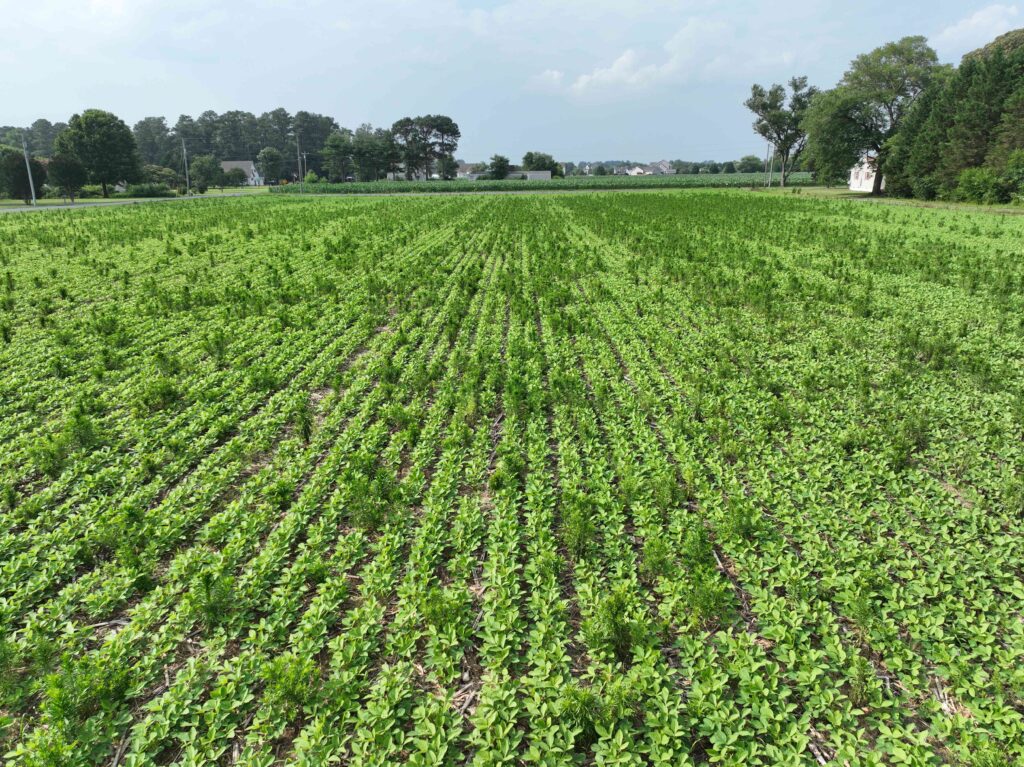
Scientists need the ag industry’s help tracking the growing distribution of troublesome and common weeds. (Photo credit: Claudio Rubione, GROW)
Tracking Troublesome Weeds
- Barnyardgrass (Echinochloa crus-gallis)
- Common ragweed (Ambrosia artemisiifolia)
- Giant ragweed (Ambrosia trifida)
- Horseweed (Erigeron canadensis)
- Italian ryegrass (Lolium perenne ssp. multiflorum)
- Johnsongrass (Sorghum halepense)
- Kochia (Bassia scoparia)
- Palmer amaranth (Amaranthus palmeri)
- Waterhemp (Amaranthus tuberculatus)

Emily Unglesbee is the Director of Outreach and Extension for GROW (Getting Rid of Weeds). She grew up in south-central Pennsylvania and earned a degree in Classics from the University of Notre Dame in 2009. After two years working on farms and ranches in the U.S. and U.K., she earned a master's degree in journalism from the University of Missouri in 2013. She spent 10 years as a reporter for DTN/The Progressive Farmer, before joining GROW (Get Rid of Weeds) in 2022 to lead its communications and outreach team. GROW is a publicaly led network of scientists working to help farmers and the agricultural industry test and adopt non-chemical alternatives to weed control, to help slow and overcome the industry-wide problem of herbicide-resistant weeds.

 and then
FIND US ON