
-
Purple, black or mottled soybeans are most often linked to fungal disease, especially purple seed stain.
-
Dark brown may come from genetic traits that are showing more strongly this year, possibly because of late-season weather.
Dockage for most discoloration is a contract matter between exporters and destination buyers. It is not a grain quality issue.
USDA removed Soybeans of Other Colors (SBOC) from the U.S. grain grading standards (DTN, July 2023). However, if a sample has more than 10% black, brown, bicolored or green soybeans, it is classed as Mixed Soybeans instead of Yellow Soybeans. A Mixed Soybeans load can be docked or rejected, and its marketability and processing value can drop. Soybeans of other colors (SBOC) are individual beans with off-color seed coats; Mixed Soybeans is the class a whole load falls into when more than 10% of it is SBOC.
-
Soybeans are headed to containers or to processors with stricter specs.
-
The surrounding area has more discolored grain.
- Obtain the current discount schedule from their elevator in writing.
- Submit a representative sample prior to delivery to better understand potential discounts.
- Explore multiple marketing options, as acceptance standards can vary between buyers and end-use markets.
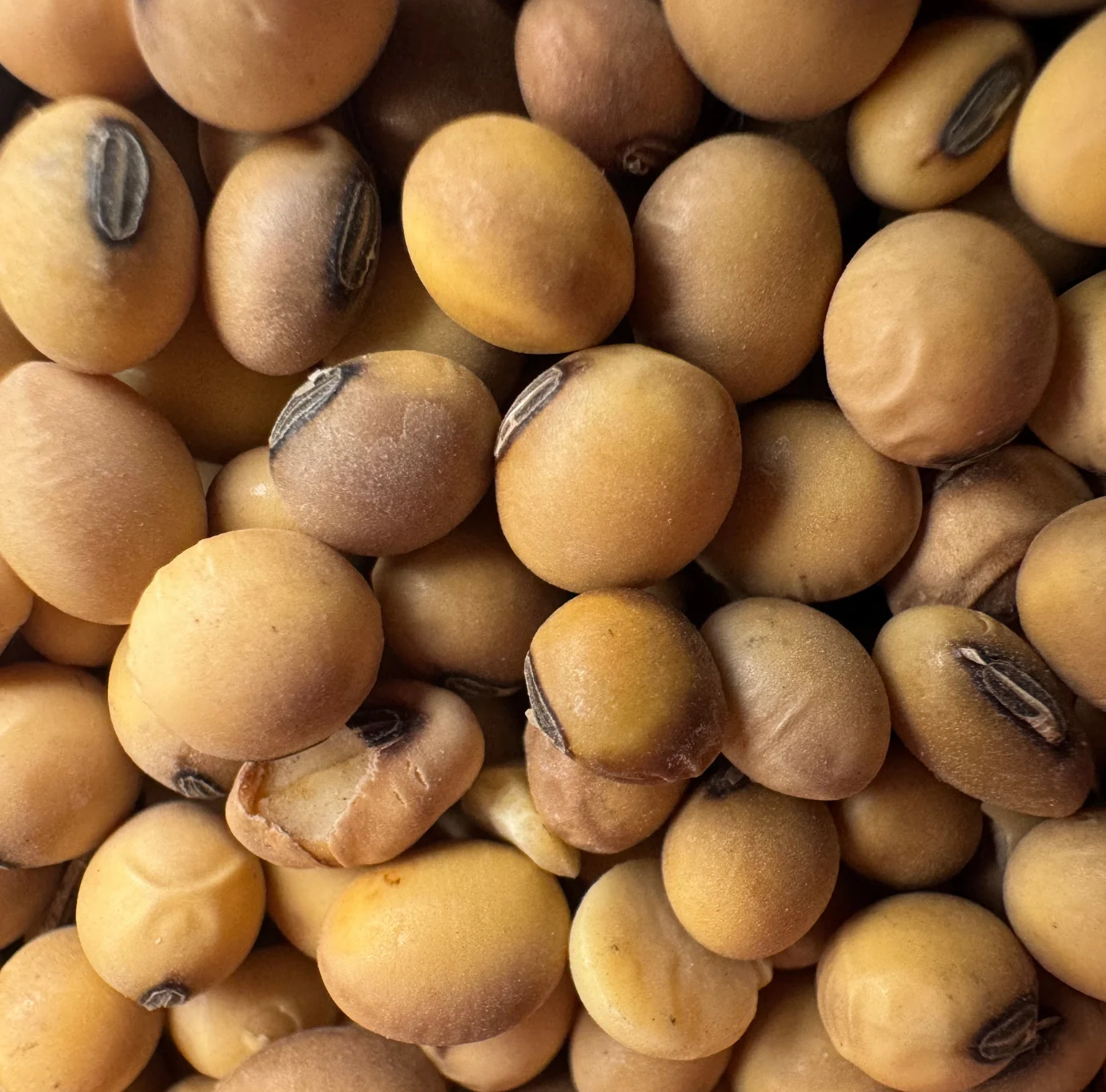
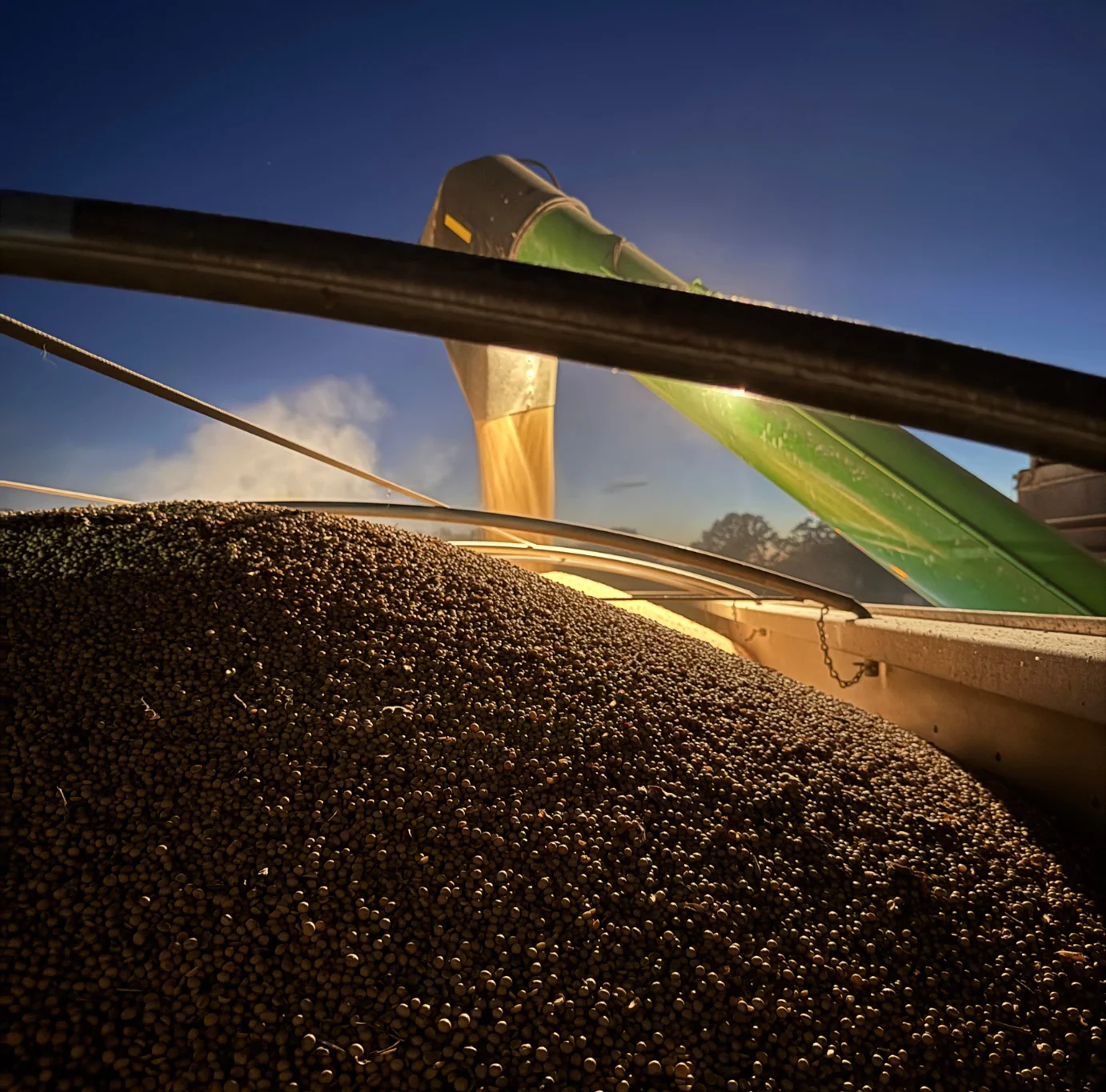
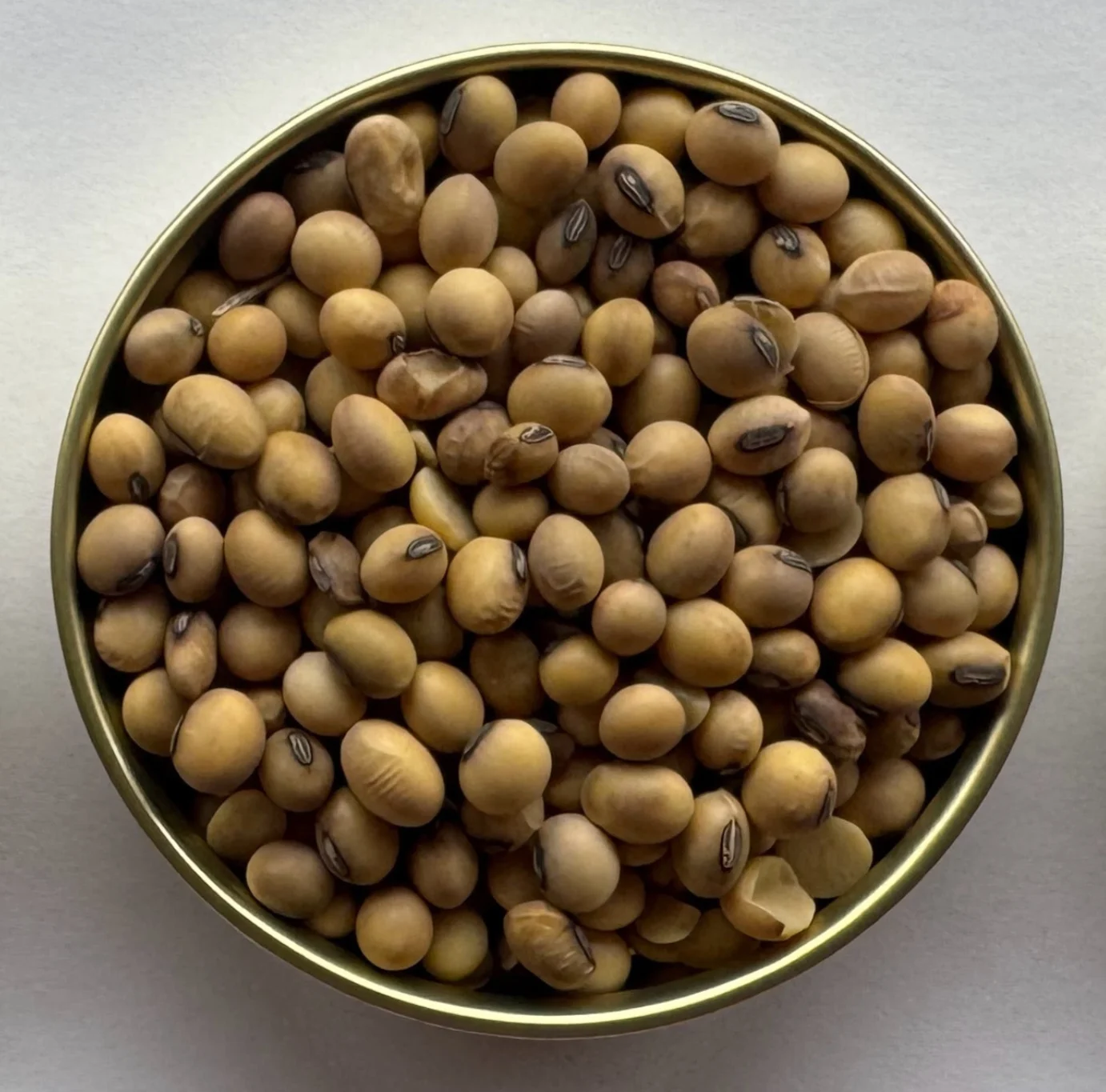
Images courtesy of the Illinois Soybean Association
Abigail Peterson is the Director of Agronomy and a Certified Crop Adviser for the Illinois Soybean Association (ISA). She earned a Bachelor of Science in Agronomy from Iowa State University in Ames, IA, where she also participated in a College of Agriculture and Life Sciences Ambassador Program, Soil and Water Conservation Club, and an Agriculture Study Abroad Program.
In her former role as Field Manager for the Soil Health Partnership, funded by the National Corn Growers Association, Peterson developed soil health transition plans, guided agronomic decision-making with cover crop applications to conventional systems, enrolled participants in field trials, and coordinated with multiple state organizations. She has experience conducting field scouting, coordinating soil sampling processes, collecting economic information, and providing outreach to farmer and non-farmer audiences.
Peterson helps guide ISA’s conservation efforts, and aids in the development and implementation of conservation agricultural research and outreach programs. She also helps lead the demonstration and adoption of conservation agriculture practices to Illinois’ 43,000 soybean farmers.


 and then
FIND US ON