
This article was originally published via GROW (Getting Rid of Weeds).
Precision spray tech is everywhere, each brand and model boasting an array of bells and whistles. But despite all of their differences, there are a few overarching considerations surrounding targeted spray technologies that farmers must account for, says Anita Dille, a weed scientist at Kansas State University. After three years researching the One Smart Spray system’s performance in corn and soybean, Dille has found where precision sprayers shine, and where they fall short.
- Broadcast residual herbicides & multiple effective modes of action will remain necessary
- A one-pass program is unlikely to provide sufficient weed control
- Precision sprayers work best for early treatments, not just escapes
- Nozzle selection, spacing, and boom height will vary depending on crop, field, and weather conditions
Although Dille’s research is ongoing, and the One Smart Spray system isn’t yet commercially available in the U.S., these findings are likely to help all farmers get the most out of any precision spray technology.
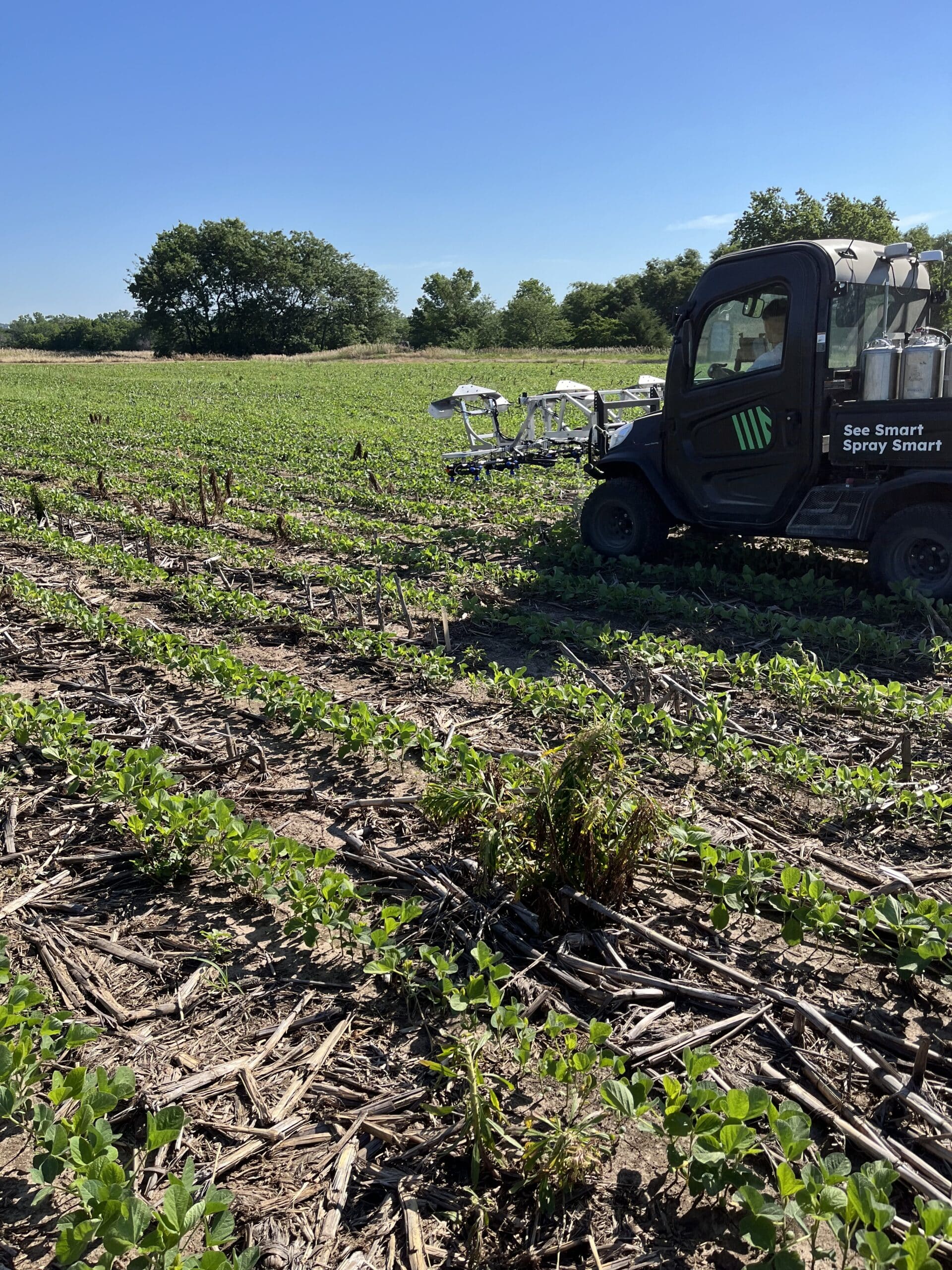
A research-plot version of the One Smart Spray system running in soybeans. (Photo credit: Anita Dille, Kansas State University)
Why Target Sprayers Are Here to Stay
Don’t Skimp on Herbicides
Herbicide Applications and Sites of Action
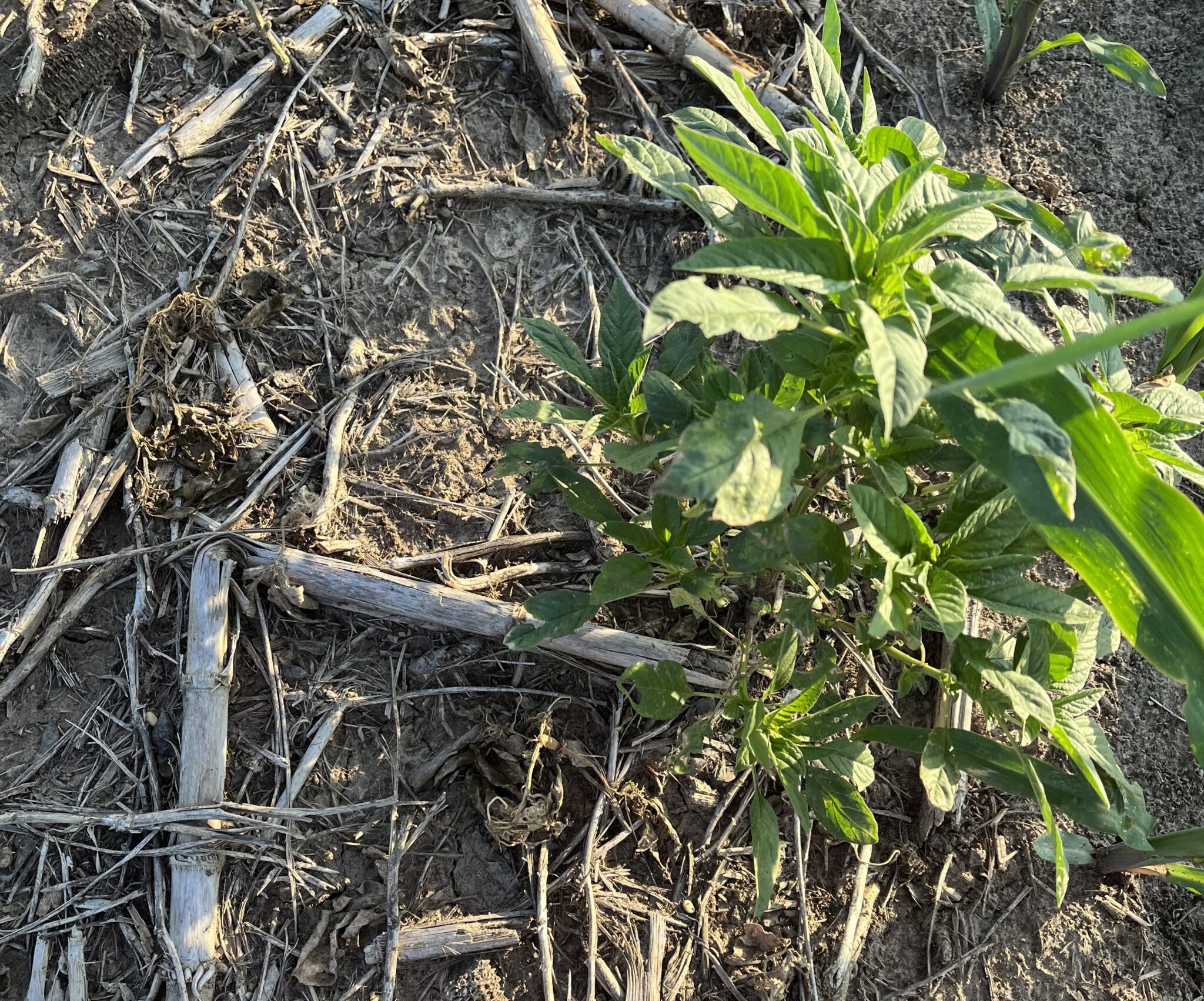
Herbicide-resistant pigweed next to dead pigweed. (Photo credit: Anita Dille, Kansas State University)

Emily Unglesbee is the Director of Outreach and Extension for GROW (Getting Rid of Weeds). She grew up in south-central Pennsylvania and earned a degree in Classics from the University of Notre Dame in 2009. After two years working on farms and ranches in the U.S. and U.K., she earned a master's degree in journalism from the University of Missouri in 2013. She spent 10 years as a reporter for DTN/The Progressive Farmer, before joining GROW (Get Rid of Weeds) in 2022 to lead its communications and outreach team. GROW is a publicaly led network of scientists working to help farmers and the agricultural industry test and adopt non-chemical alternatives to weed control, to help slow and overcome the industry-wide problem of herbicide-resistant weeds.


 and then
FIND US ON