
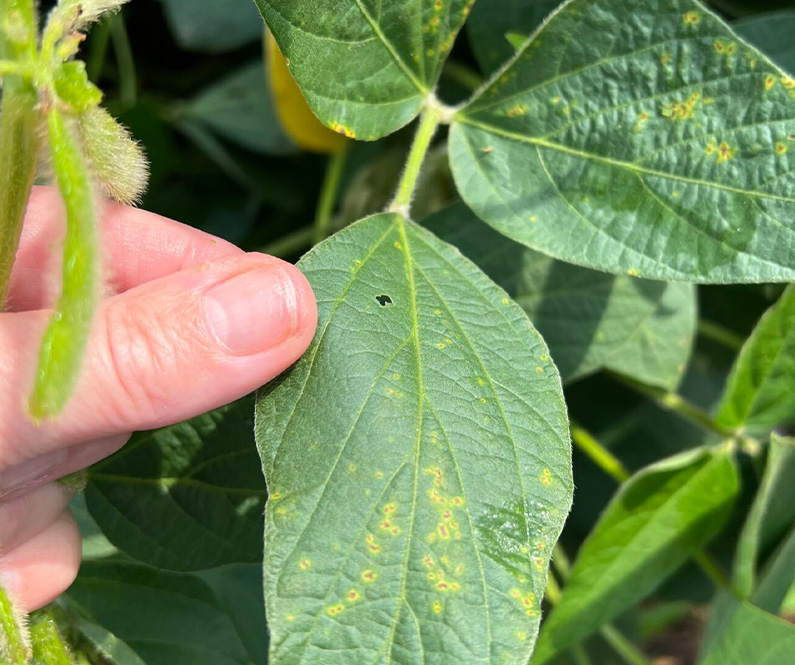
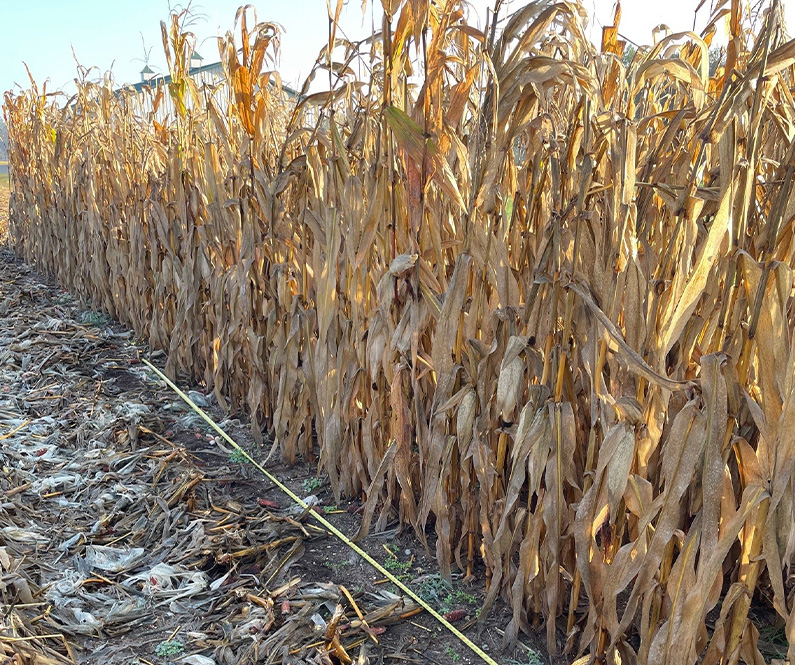
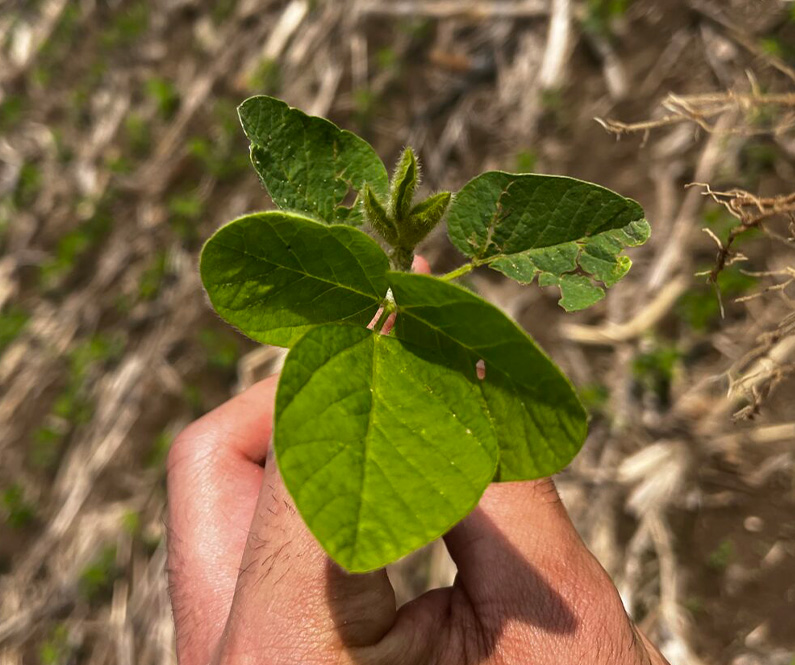
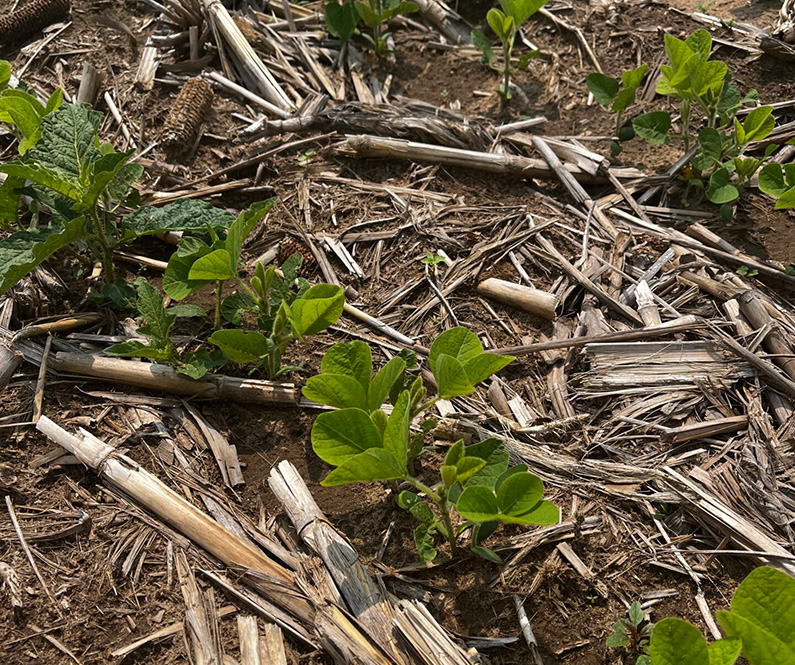
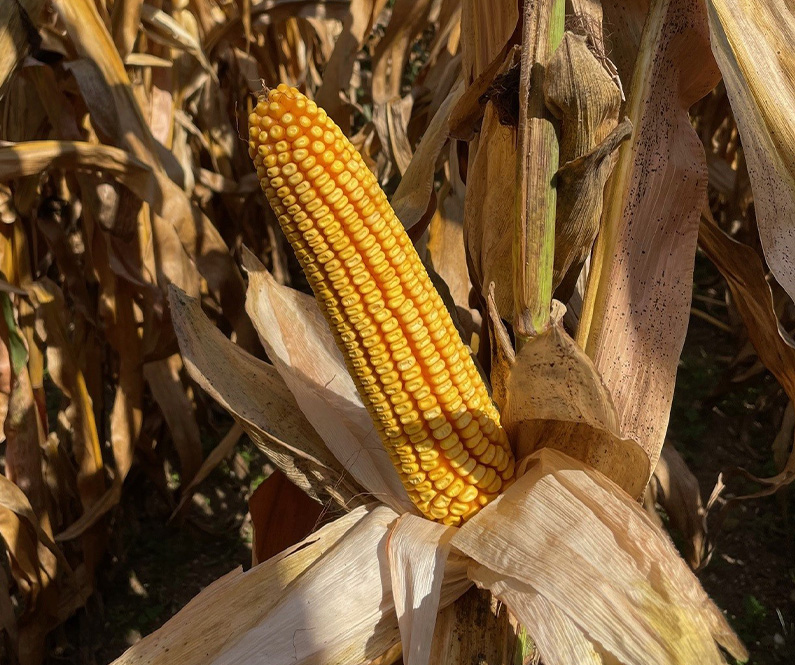
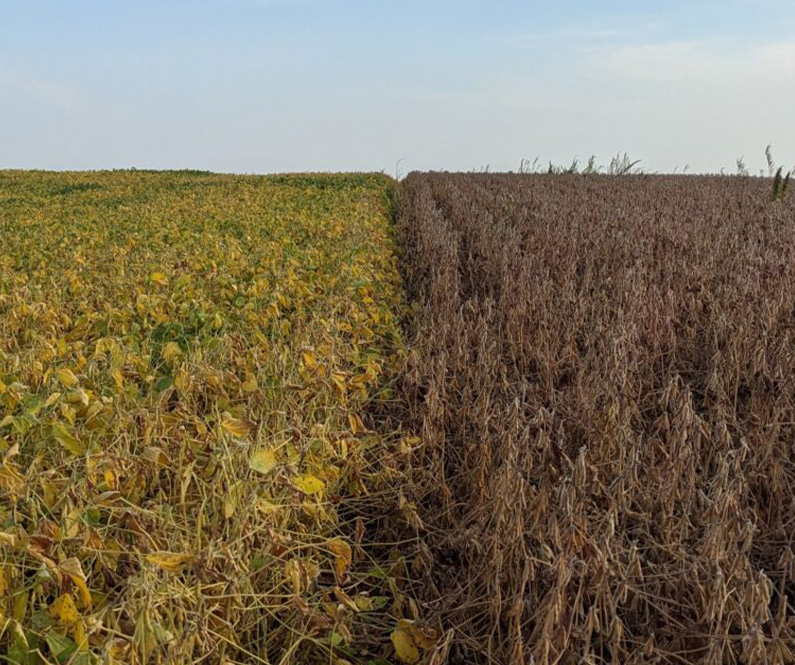
Most corn is in R1 with a few fields at R2 (blister) stage. R2 stage corn looks to have had good pollination take place. Soybean fields are in or approaching the R3 stage with good pod set on the stems. Noting a wide variety of defoliators in the fields but not at damaging levels. At this time, I have not seen leaf diseases of note on corn or soybeans.
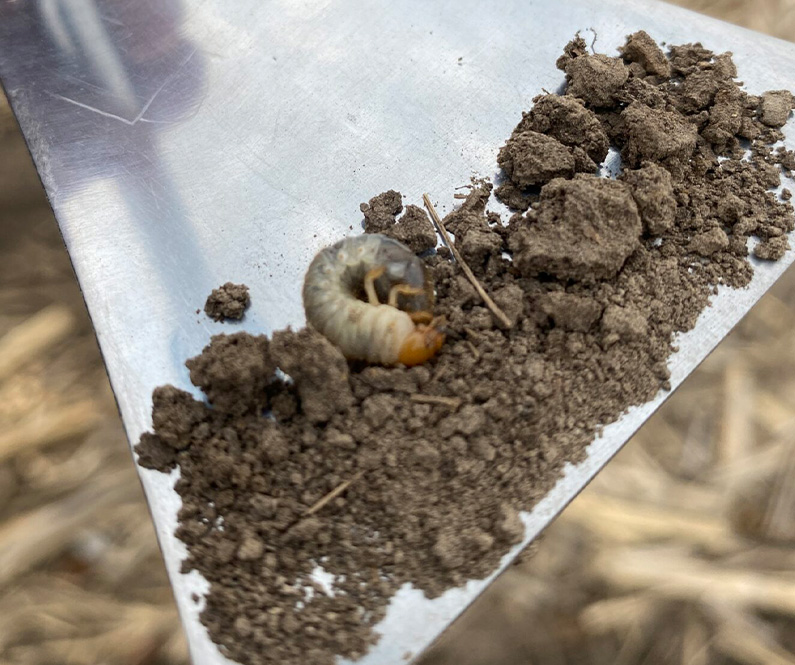
I remain concerned about spider mites in areas which are under drought stress; I received a report this morning about mite problems in White County. Hopefully the rains this past week have slowed them down, but stay vigilant in areas under drought stress. Corn rootworm adult emergence should be well under way throughout the state. As most of the rootworm adults will still be in the field they emerged from, this is a good time to inspect fields to get a feel for the extent of your rootworm problem and how your traits/insecticides are performing. If you have high adult emergence, consider digging some roots to assess the extent of larval damage.
Speaking of damage, we learned how corn rootworm emergence tents hold up to an 85-mph derecho; not well, as it turns out. However, it was probably worth the damage to get some healing rains.
Much of the corn in NW IL was starting to roll and pineapple on late last week. The rain on June 24 -25 and late this week along with cooler conditions reduced this impact. Many fields of corn and soybean field seem to be behind in height and canopy closure at this point. Some of the early planted field which received timely showers during May and June look more normal. This really shows the spotty distribution of late spring showers.
Wheat fields are starting to turn. Late last week, I did notice wind damage in a couple of wheat fields between Pearl City and Freeport. The picture included shows what appeared to be straight line wind damage. Another field had more swirled and random damage.
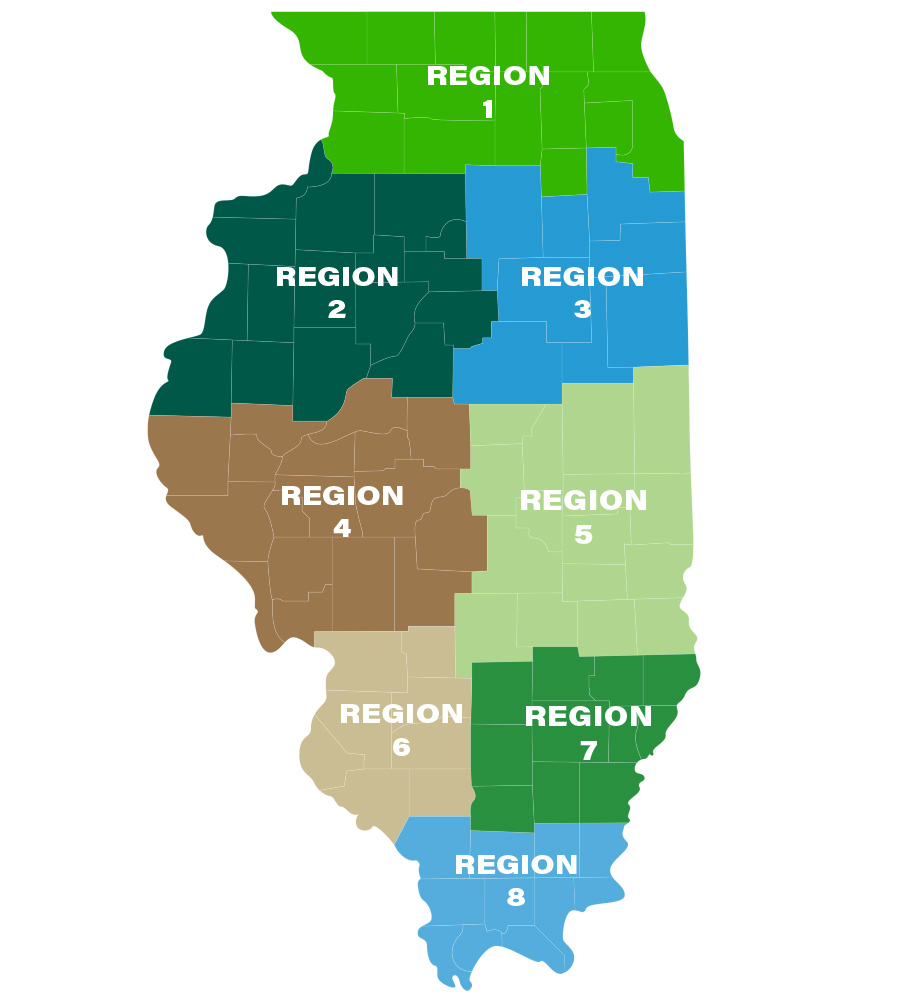
Extremely welcome rains came across our area last week. Totals were .75-3”. Some storm damage south and along I74. Beans will likely canopy in the next 10 days. Corn is beginning to tassel, but looks extremely uneven.
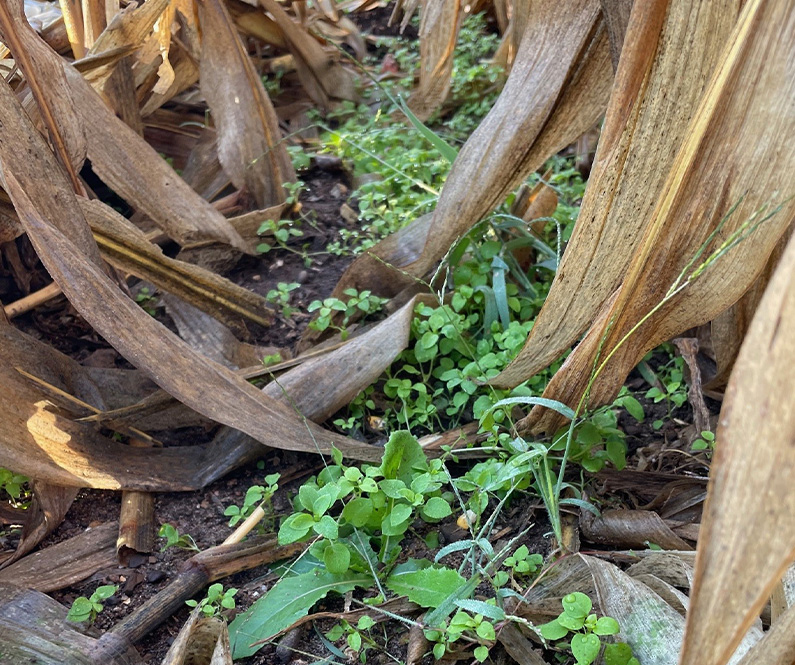
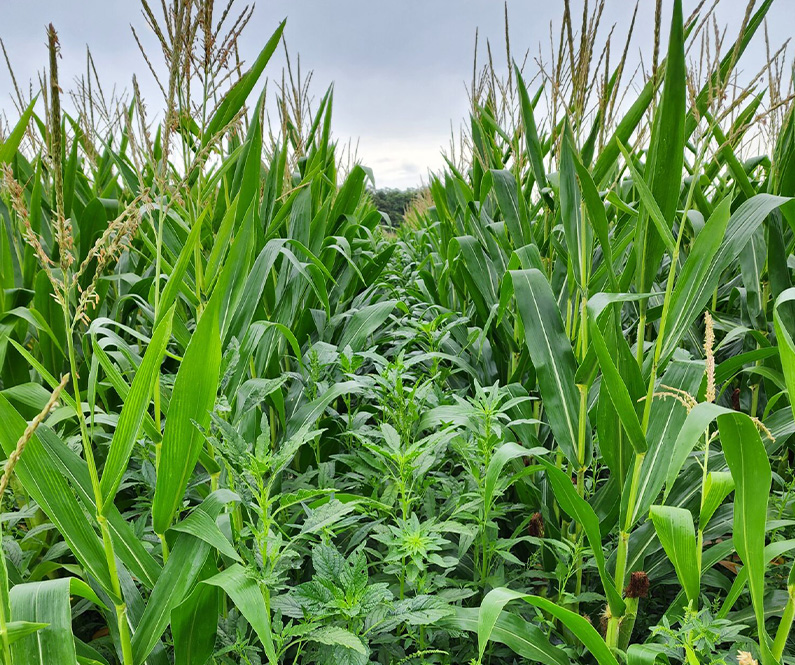
This week, I took a drive into Douglas County to check out crop conditions. As is the story around much of the area, there are a lot of uneven corn fields as well as stunted soybeans still some ways from closing their canopy. In the fields I visited, soil moisture was variable. Some were relatively dry in the top inch or two, while others appeared to be at or near field capacity. Soybeans ranged from very early R1 to early R3. Most corn was tasseling or within a leaf or two of doing so. Some was in full flower with silks several inches long. Fields in full flower right now appeared to have more even growth across the field, while those that may have been planted a bit later or experienced drought stress a bit earlier ranged from V10-11 to R1 on plants within several yards of each other. Weed pressure, notable waterhemp, was also moderate to significant in areas of corn fields where corn plants were shorter.
Welcome and timely precipitation this past week in NE Illinois. Some areas had 3+ inches of rainfall but most had less. Adequate for now, but continued precipitation would be welcome for many. Some of the earliest planted or shorter season hybrids are starting to tassel. The emergence of tassels visibly illustrates the lack of uniform growth in some fields, likely due to earlier season stresses. Soybean are currently R1 nearing R2 (full flower). Japanese beetle adults can now be found leaf feeding. Recent rains have mostly halted the wheat harvest in northern Illinois. Potato leafhopper damage clearly detected in Alfalfa fields.


 and then