
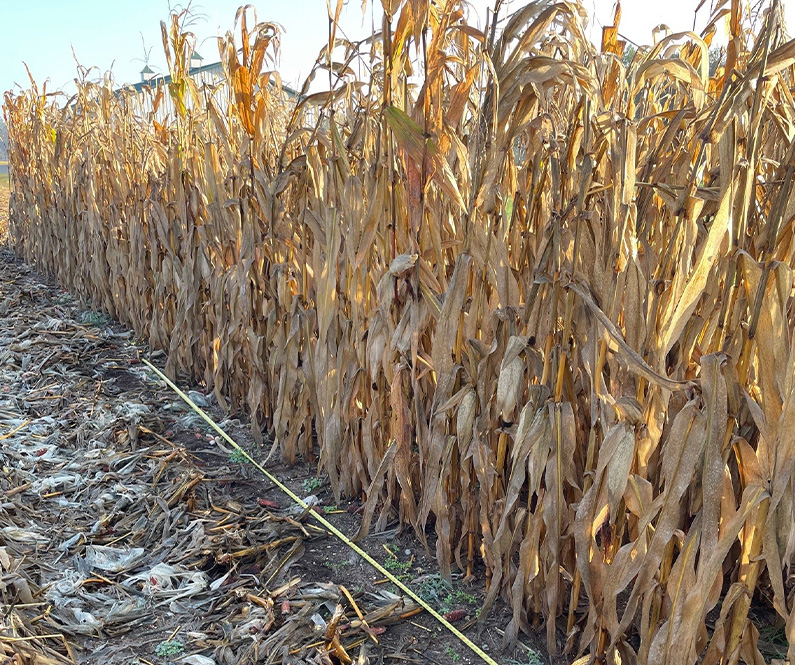
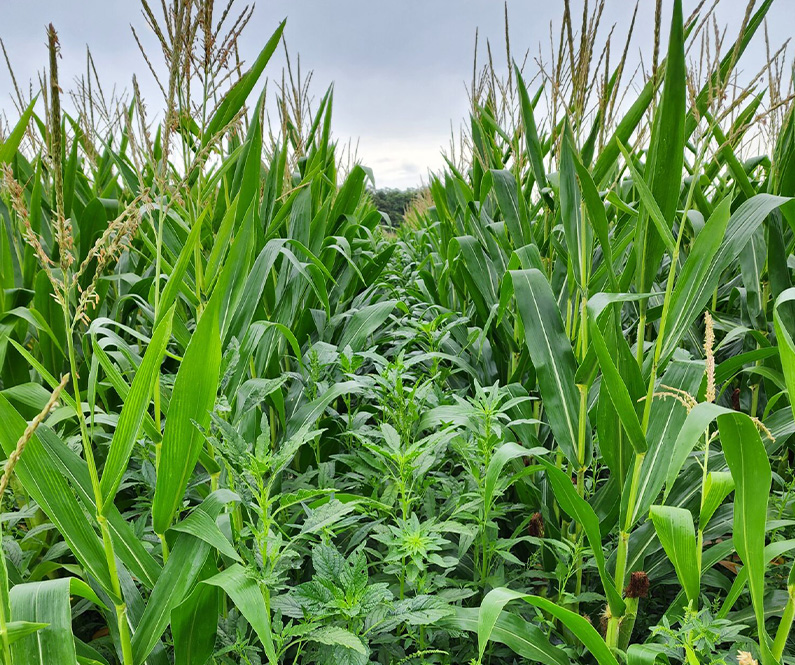
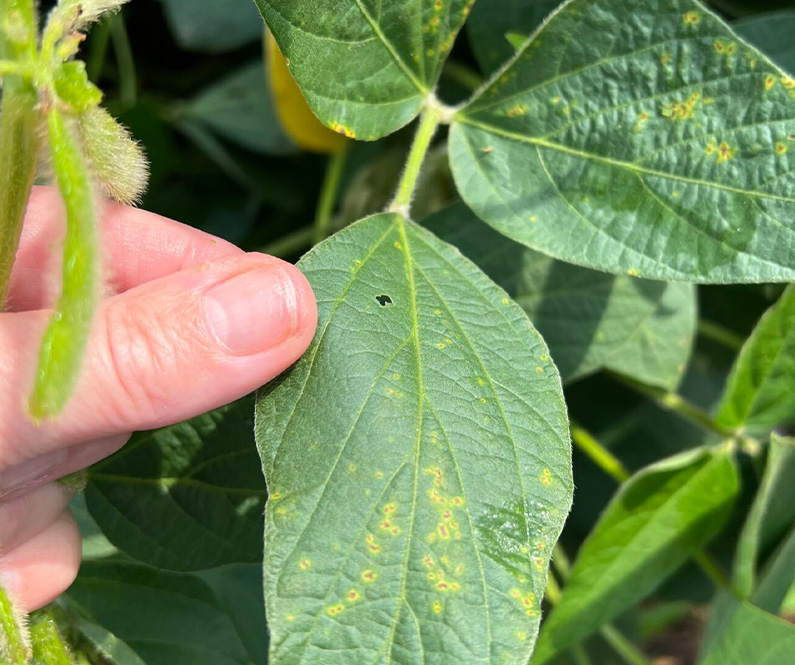
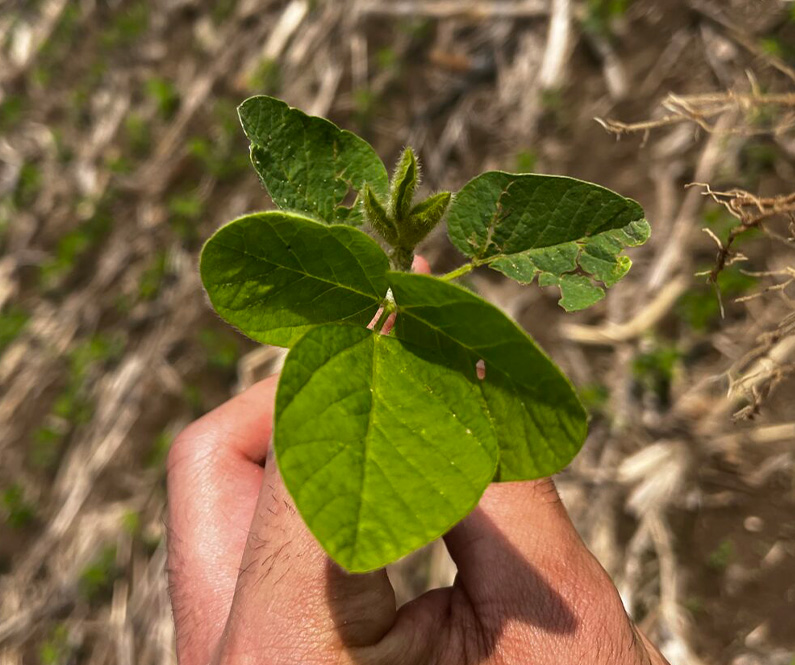
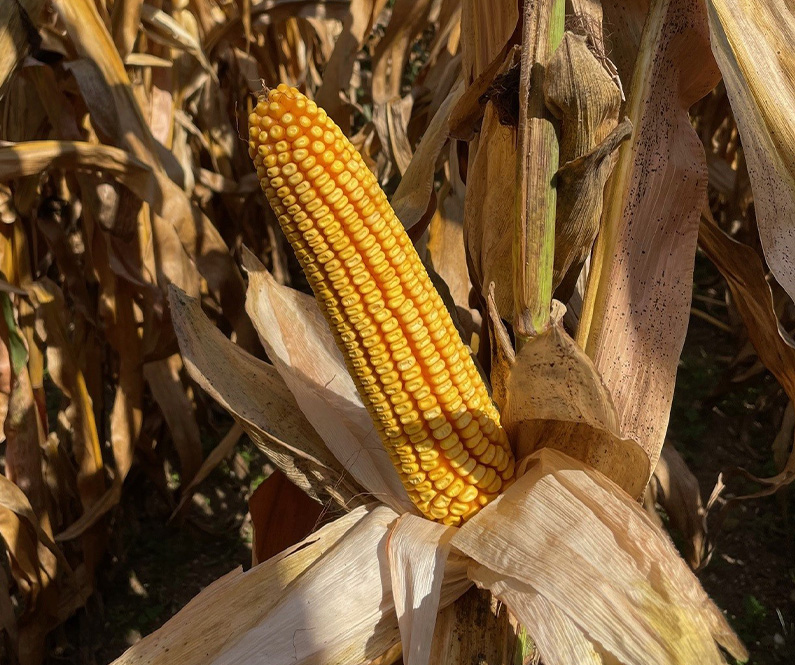
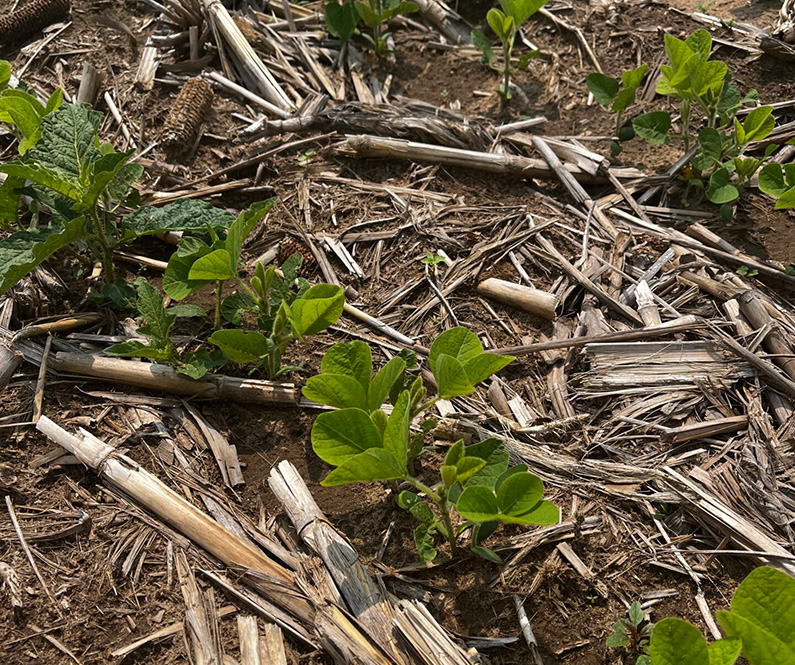
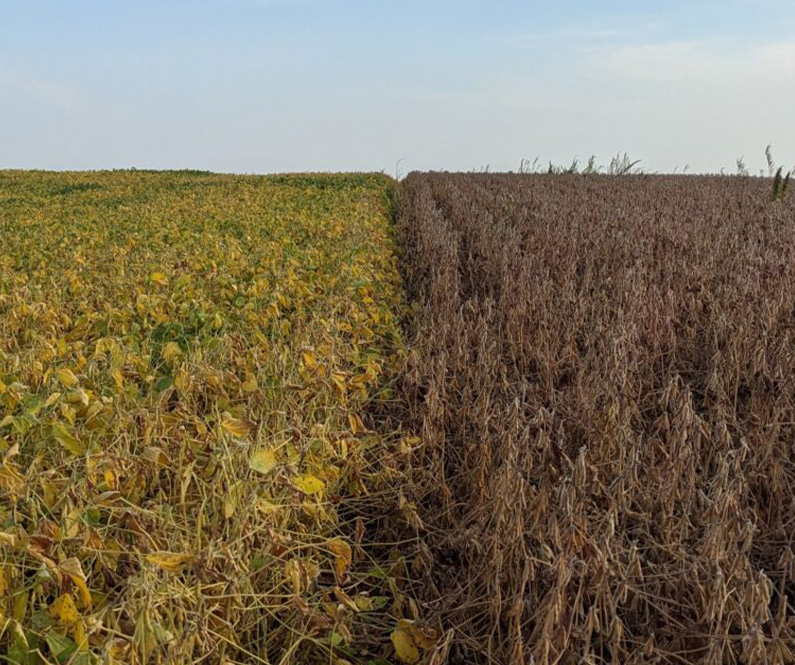
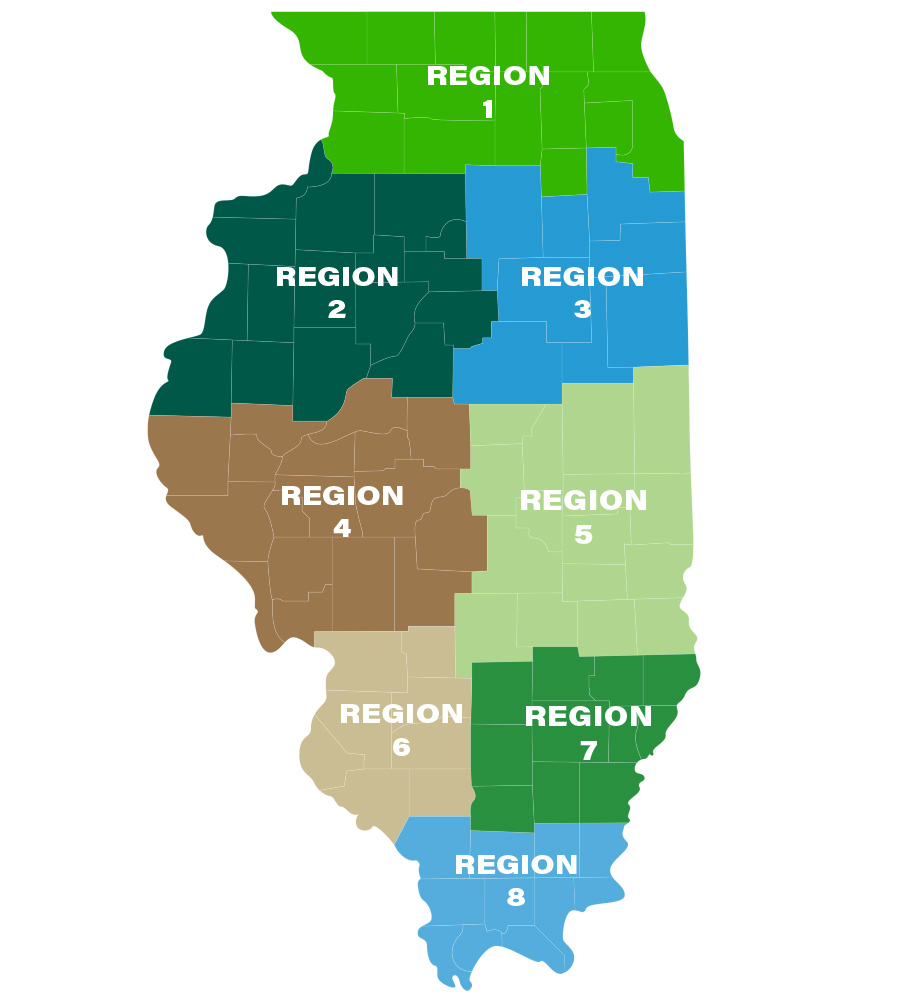
It’s hot! Temperatures exceeding 90 degrees for consecutive days in NE Illinois. Despite the ambient temperature both corn and soy fields are holding up well, but additional rainfall would be welcome. Most corn fields are at or near R3, the milk stage. Some ears have visible aborted kernels at the ear tip. There has been minimal to no leaf disease in corn fields that I have visited, but plan on staying diligent and listening to local reports and regional reporting resources including the Corn ipmPIPE for Tar Spot https://corn.ipmpipe.org/tarspot/ to be aware of areas where crop disease has been detected. The soy crop has responded to recent rains with increases in vegetative growth and most fields are at or near R3 or Beginning pod. When scouting fields, it is still not too late to look for symptomology of herbicide damage in fields.
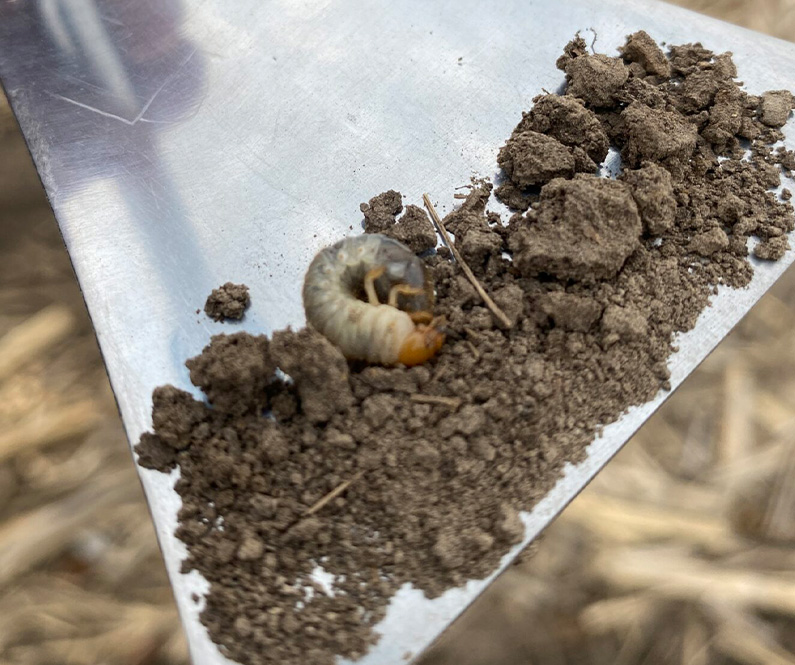
I’ve received several reports of corn rootworms breaking through pyramided Bt traits over the last couple of weeks. Most of these are in the usual areas north of I-80, but I was able to collect a population from Sangamon County last week and had reports from Putnam and Bureau. Continuous corn is virtually always the culprit in these cases. We are always looking for both western and northern corn rootworm populations to bioassay; if you have large numbers of adults and wouldn’t mind us coming out to collect them, please don’t hesitate to contact me.
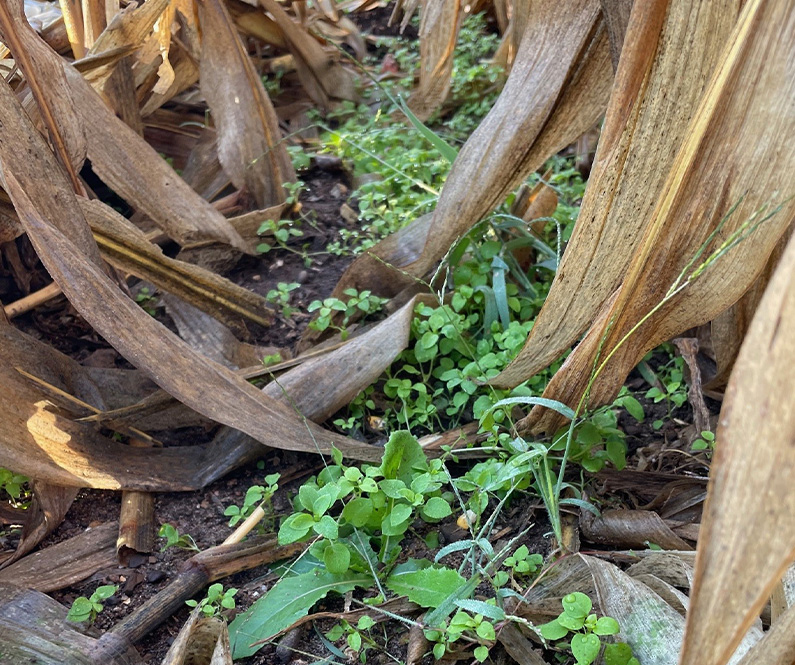
With my area still listed as being in “Moderate Drought”, crops are still looking good. Most soybean fields are in the “full pod” or R4 stage. I surveyed 50 consecutive soybean fields on my drive and 13 (26%) of those fields had weed escapes present across the field and volunteer corn was not considered a weed escape. This is another effect of this year’s dry spring weather on the effectiveness of residual and post-emergent herbicides. Most corn fields are in the late “milk” or R3 stage or beginning “dough” or R4 stage. There is some tipback on the corn ears present. Very little leaf disease is showing up in area crop fields, which is common in a drought.
It was a good sign to see that the corn canopy was collecting as much sunlight as possible with little sunlight hitting the ground. We can’t complain, but would love more rain for corn grainfill. The insecticide application eliminated Japanese beetles and most disease. If you visit field edges where fungicide coverage was a scarce, you will find tar spot on lower leaf and gray leaf spot moving up the plant. Soybeans are hanging in there with no more insect pressure thanks to a recent insecticide application. Septoria brown spot is in the lower canopy.
Crop is moving along. The high temperature next week are going to be tough with no moisture in the forecast. Corn stalks have moved the potassium from the lower nodes towards the ears, weakening stalks.


 and then