
Disease Management: Soil Testing and Liming
Soybean harvest is over and corn harvest is almost complete. It really has been a great fall for harvesting crops – warm and dry. Crops [...]
Disease Management: Fall – Time to Sample for SCN
Of all the diseases that can impact soybeans, the most common still is soybean cyst nematode (SCN). This small roundworm is very common in [...]
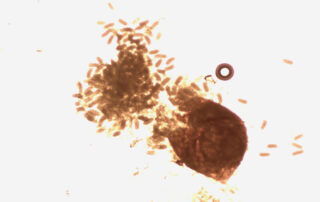
Agronomy: Soybean Cyst Nematode: A Big Problem That’s Getting Bigger
Soybean cyst nematode (SCN) is a devastating and yield-limiting pest of the soybean worldwide. Syngenta, as a pioneer in controlling this pathogen, offers their [...]
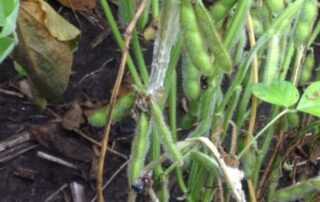
Disease Management – Manage White Mold Inoculum Now to Reduce Severity in Future Crops
This summer’s cool and wet weather created conditions favorable for the development of white mold. Consequently, the disease has infected soybean fields across the [...]
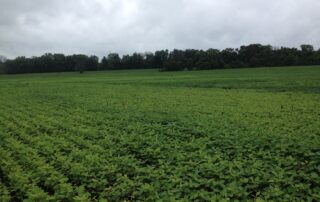
Disease Management: Green Stem Soybeans
The challenges for 2015 continue to develop. Another issue growers are facing is green stemed soybeans. There are two distinct types of green stems, [...]
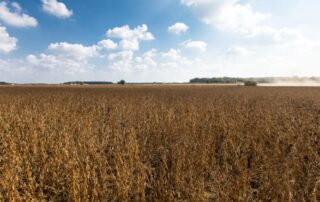
Plant And Soil Health: Fungi Overactive in the Field
Fungi have been very active this season in some soybean fields. Right now at the University of Illinois Plant Clinic we are seeing samples [...]
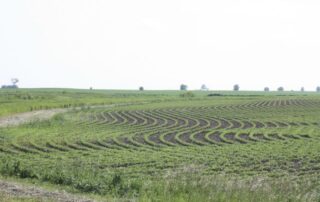
Managing Stink Bugs
This time of the year many soybean producers tend to be on cruise control, however we don’t want to coast to the finish line [...]
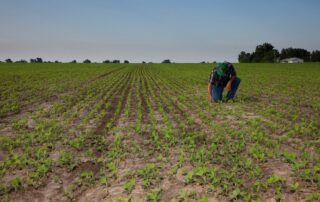
Symptoms of Sudden Death Syndrome Begin to Appear in Soybeans
Last week, symptoms of sudden death syndrome (SDS) began to appear in April 15-planted soybeans at the University of Illinois’ Northwestern Research Center in [...]
Decision Making for Defoliating Insects in Soybean
Figure 1. Soybean defoliation from multiple pests. (Photo by Nathan Mueller) ‘Tis the season for soybean defoliation. With frequent rain comes lush vegetation, and [...]
Conditions Favorable for Early to Mid Season Soybean Diseases
With consistent moisture in many parts of the state, we continue to see some fields developing disease problems. Fields vary significantly in growth stage with [...]


 and then