
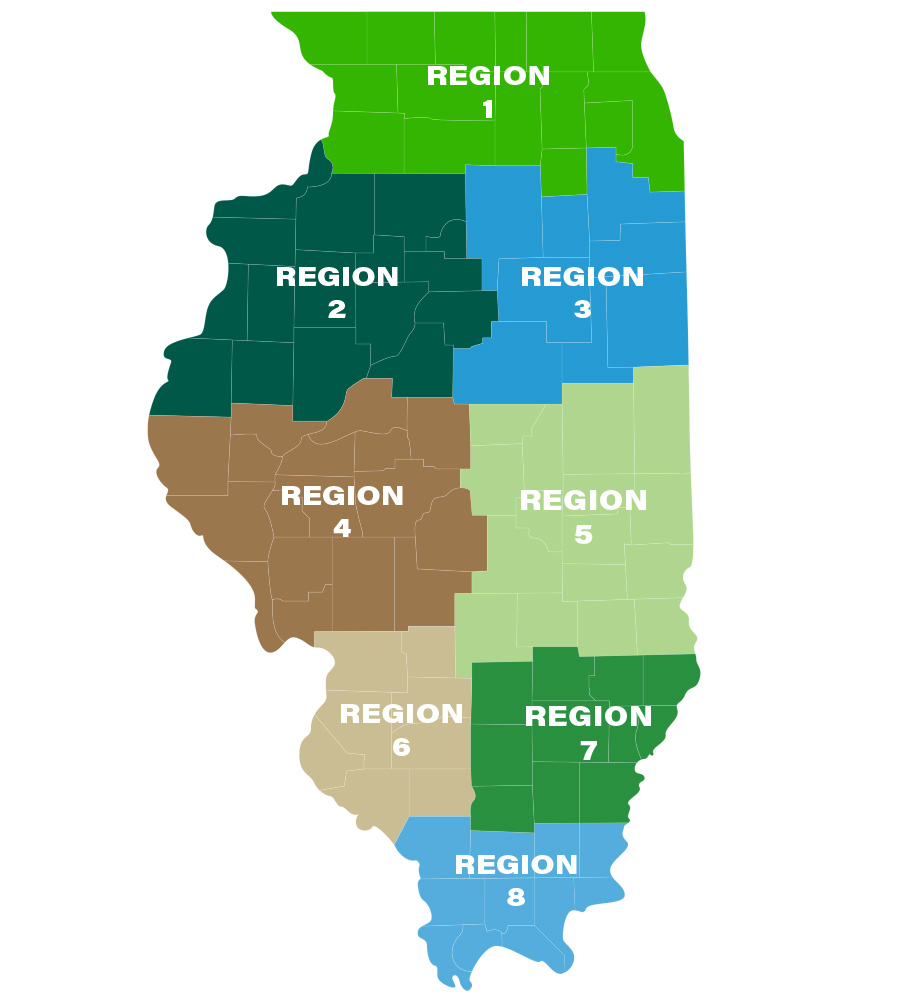
It has been wet and very little if any planting has occurred in the last few weeks. Corn planted in April is up, although standing water has created dead areas that will require spot replants at very least. I’ve heard reports of 3″-7″ of rain throughout southern Illinois since May 1. Given the forecast, it may be a while before fieldwork can resume on non-tiled land.
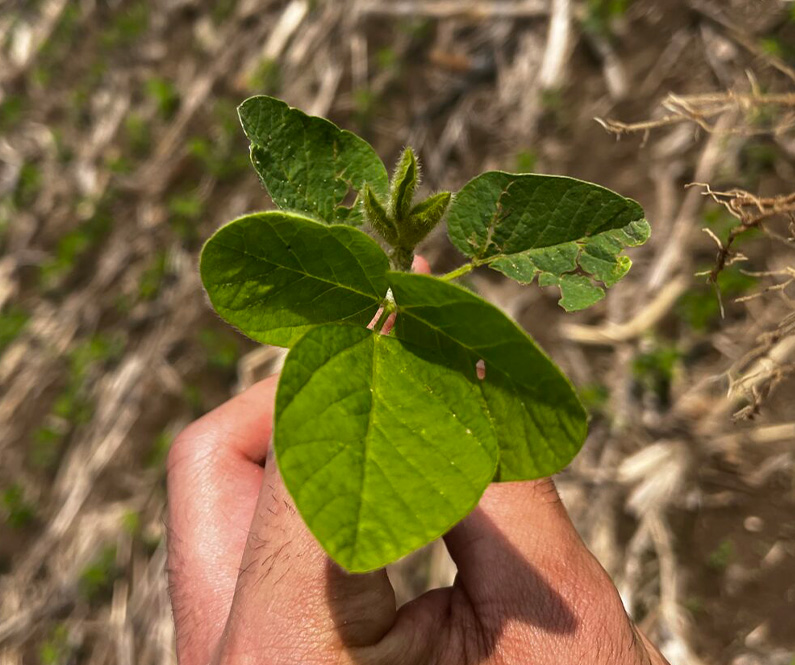
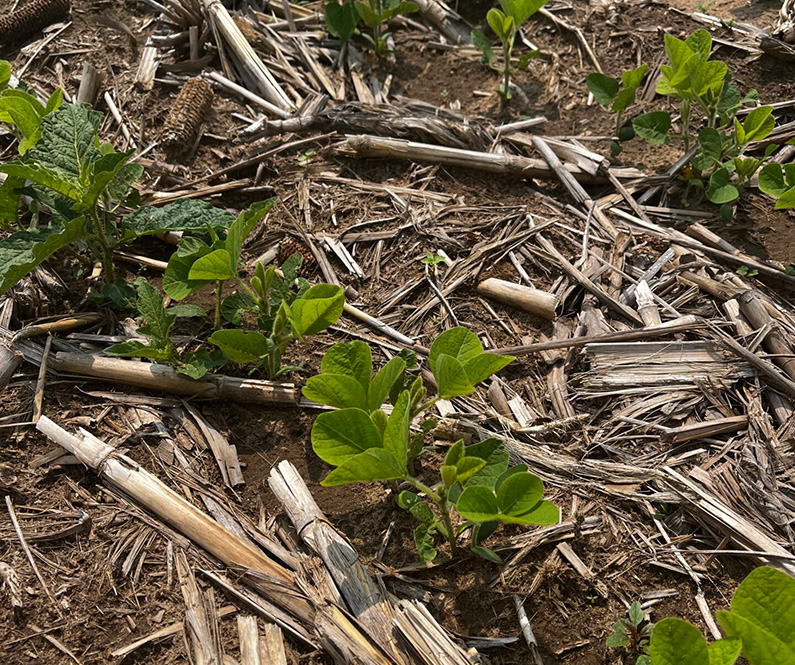
Like much of the state, conditions in Ford County are fairly wet. Standing water in fields was minimal, for the most part, most fields are at or near their holding capacity. During my transect of the southern half of the county, I saw very few emerged fields. The majority of fields are still yet to be planted, and many of those have not been sprayed or tilled yet this spring. I did see both corn and soybeans emerged in a couple fields, but still at VE/V1 and VC, respectively. There were several fields that had been recently planted prior to the last couple days of rain. Without too much more rain, those fields should come out of it okay, but that may not be in the cards, with some slight chances for rains in the local forecast over the next several days.
It seems like this will be another wet week in Pike County. Over Mother’s Day weekend, there was a lot of planting and spraying being done. It seems like most farmers around here have very few acres left and some are even finished planting for the spring. With the exception of fields planted over last weekend weekend, it appears that all other fields that are planted have emerged and appear to be doing well. This rainfall will provide adequate activation of residual herbicides to hopefully keep our fields free of weeds until post herbicide application timing.
We are slowly starting to dry out. Areas are starting to miss the higher rain totals and there are a few more areas finding the opportunity to get into the field.
Field work is just starting back up after drying enough to spray. I refuse to look at the forecast.
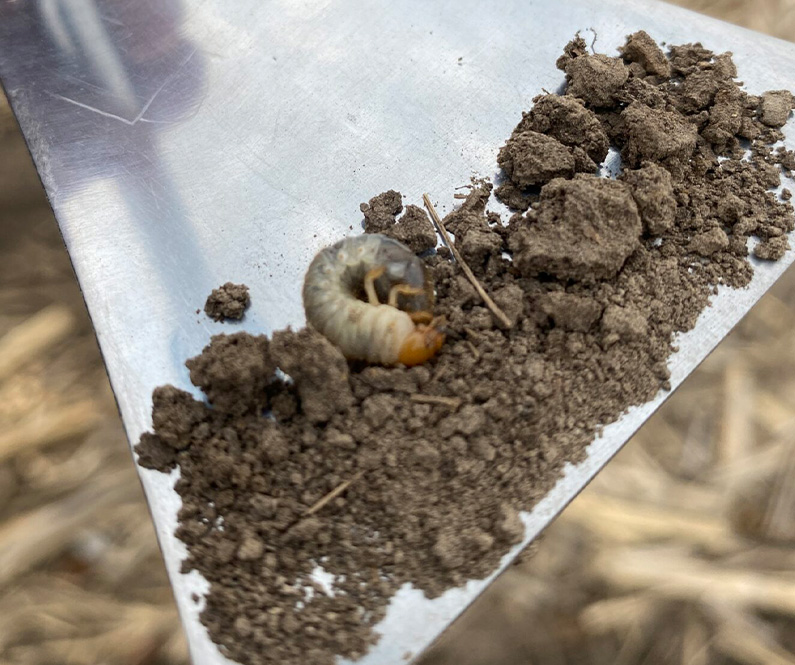
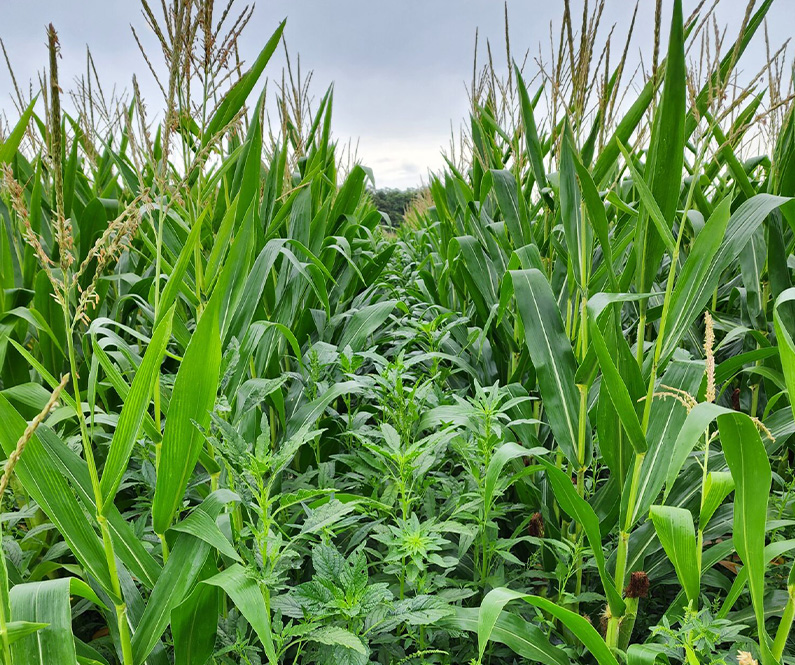
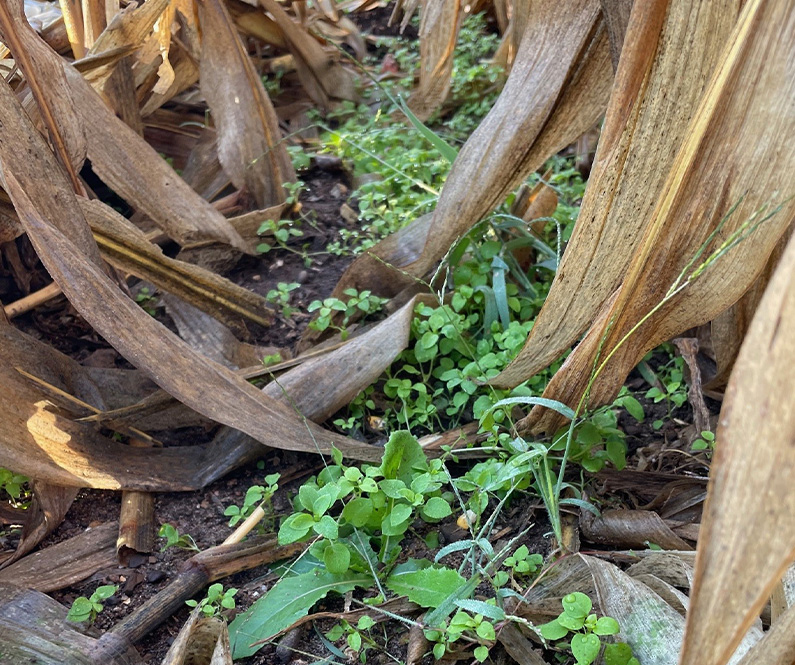
We are just about dry enough to begin fieldwork (again) on Mother’s Day weekend. Morningglory showed up in corn after last week’s report. Soybeans are clean. Only one cutworm moth was caught in trap and a few corn plants had wireworm injury. Next up will be spotting in soybeans in drowned out areas of various fields.


 and then