
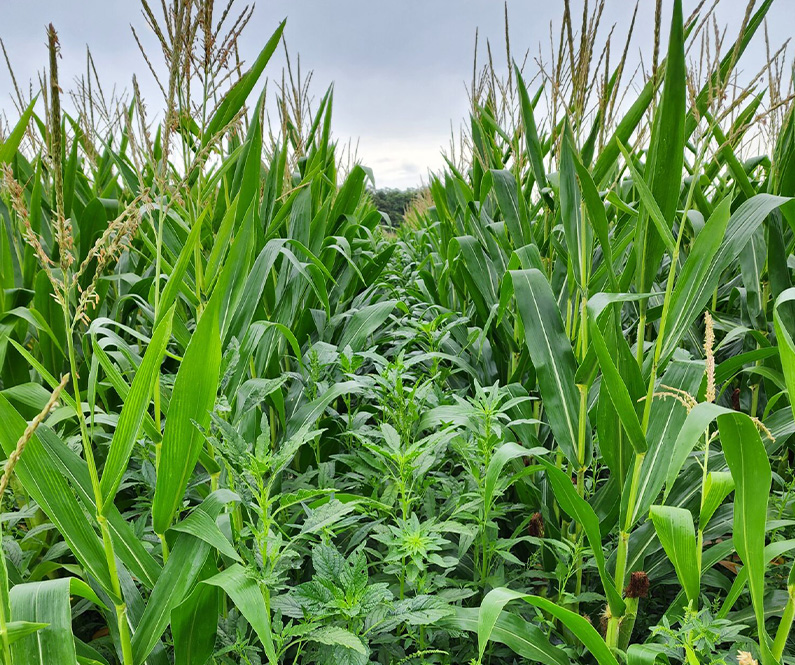
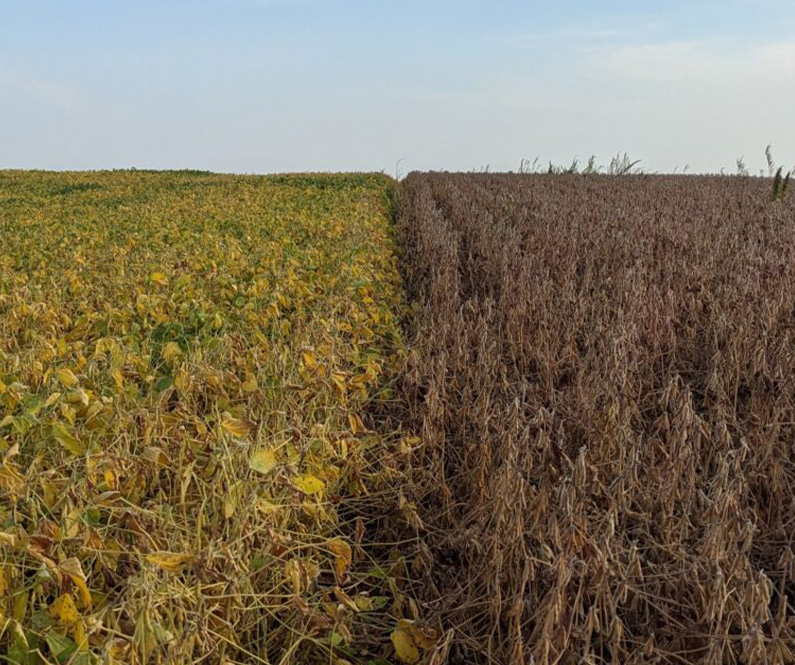
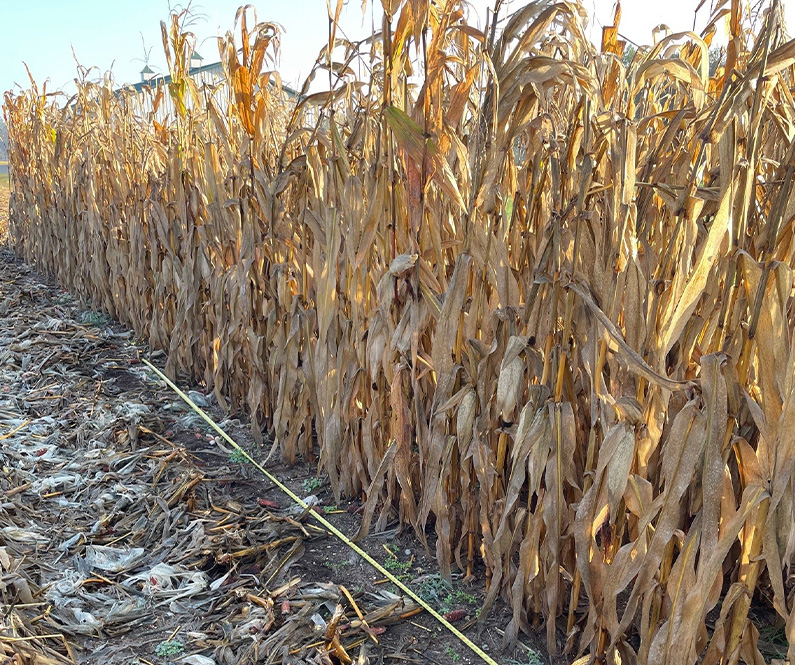
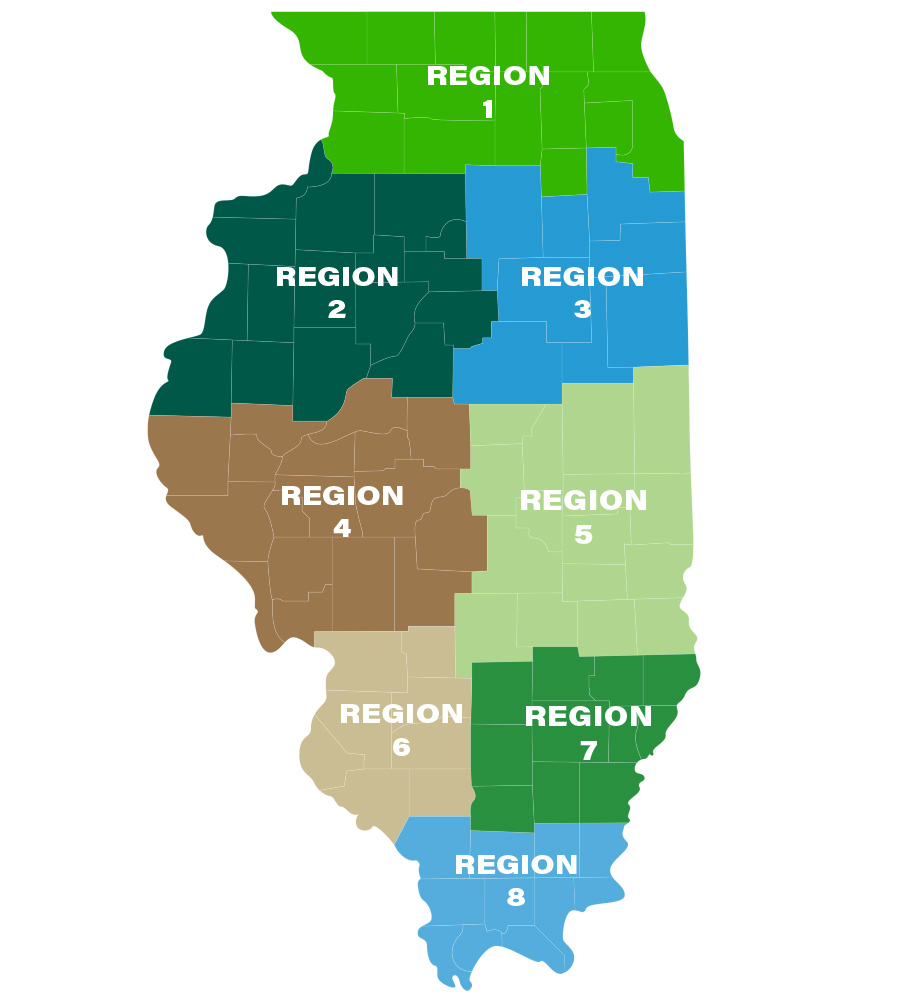
Planting is back in action across the county with some replants due to soil crusting. Some fields did see some extent of wind damage from a storm 5/24 but are bouncing back. Most fields are looking around V2-V6 for corn and VC-V2 for soybeans depending planting date.
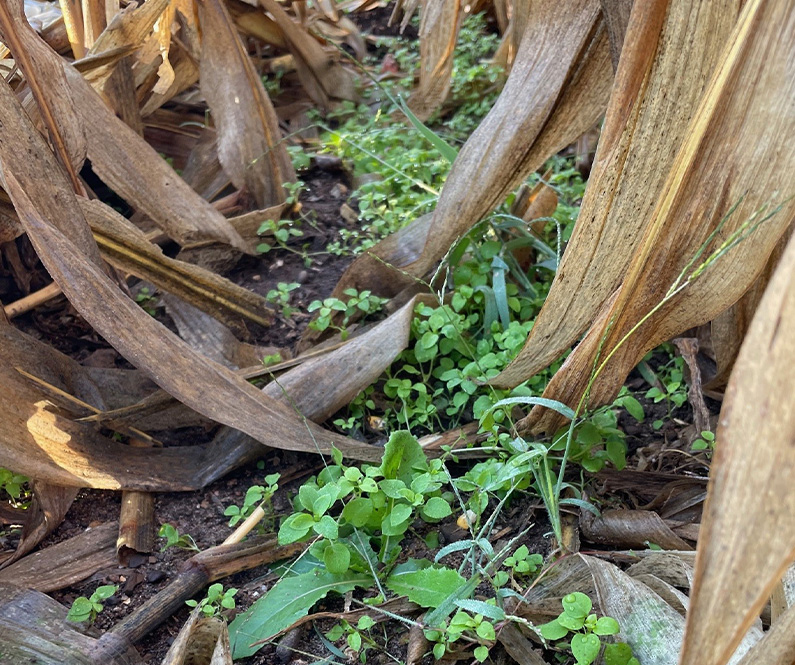
Last weekend, our region received approximately an inch of rain, with some areas getting 1.5 to 2 inches. With the sun and warm temps, we could use more rain to help the beans. The corn was planted on May 6th and the beans on May 18th. Weeds are starting to break through the PRE herbicide, but there are no signs of disease or insect pressure.
Our recent heavy rains occurred at the same time as 50% egg hatch for western corn rootworm in east central Illinois – it will be interesting to see if that impacts the rootworm population this year. (Generally, saturated soils during egg hatch cause a lot of mortality). It was a quiet week for non-cicada-related insect questions. Continue scouting for black cutworm and other seedling pests up to about V5.
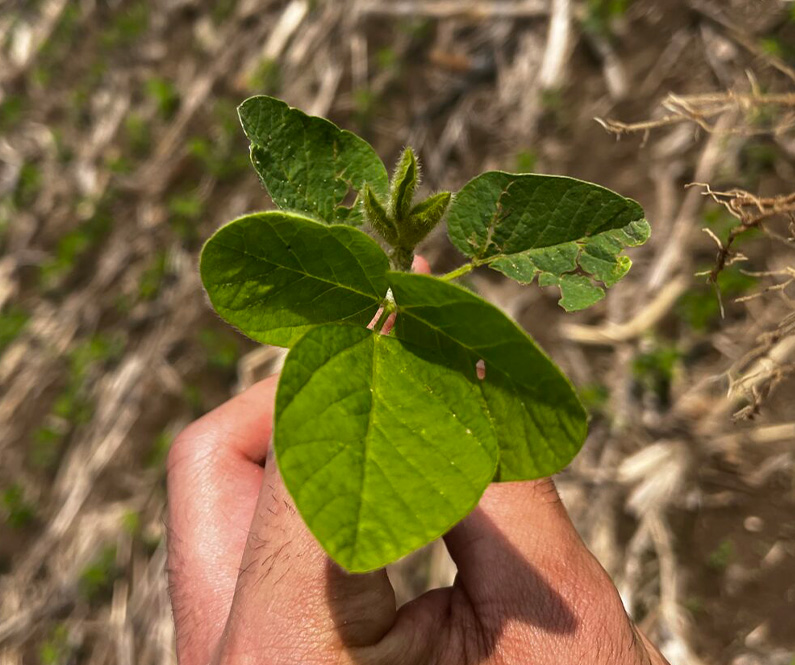
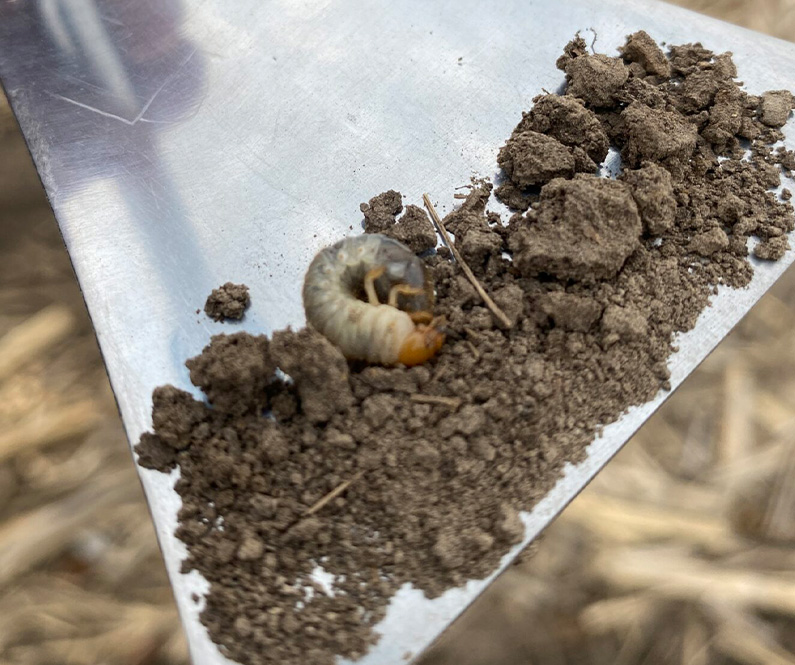
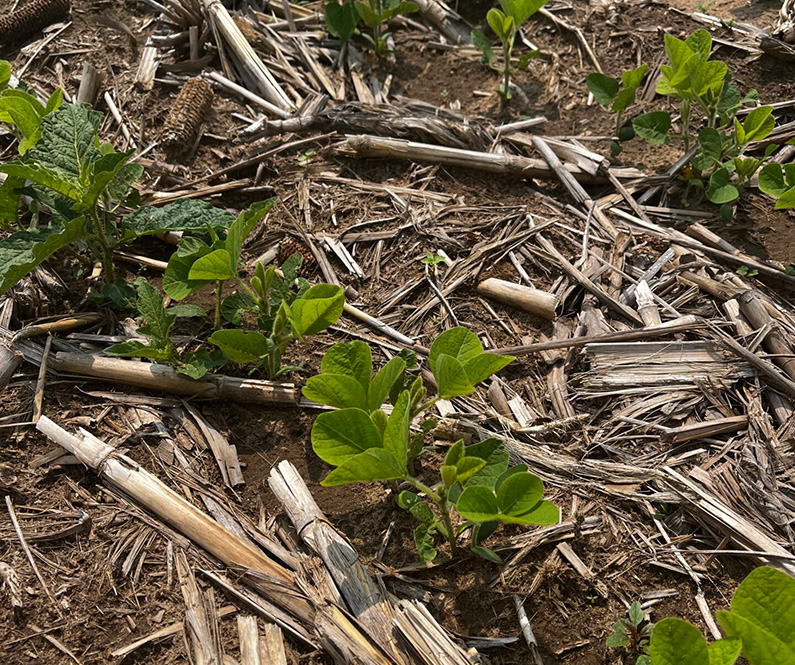
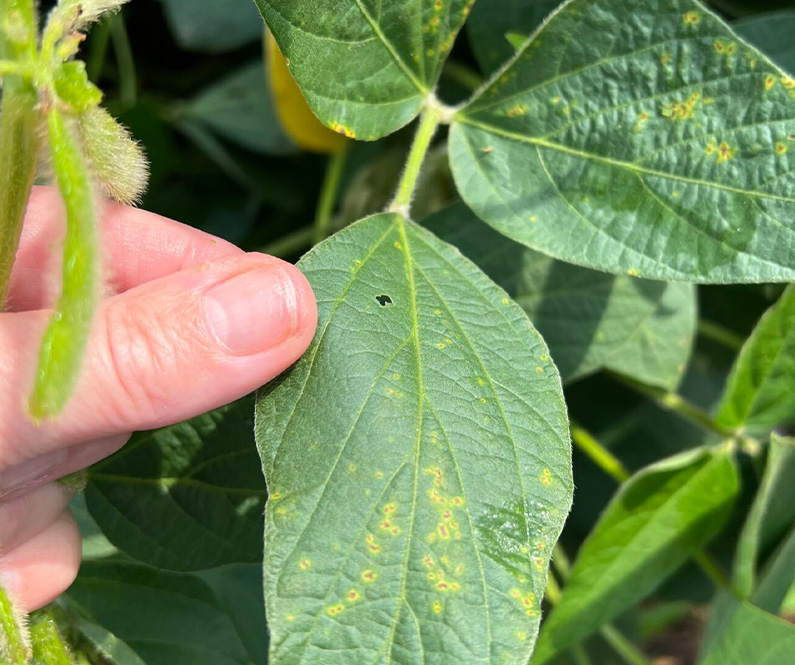
A dryer weather pattern allowed most to finish or nearly finish planting or replanting. Earliest planted corn is near or at V6 and earlier planted soy is now V3. We encourage early scouting of fields, including replant areas to evaluate crop emergence (note soy replant seedling feeding in picture), weed pressure and height. Expecting post corn herbicide applications to start soon.
Early planted corn and soybean fields are in the V6 and 3rd trifoliate stages, respectively. Most fields in the area are planted, but there are still a few fields have to be planted in the areas that received heavy rains. Ponding in planted fields is a problem in some areas. The emerged crops look good but there is a wide range in plant growth.
The few wheat fields in area are looking good with very little head scab and plant health generally looks good.
We have had intermittent showers over the past week, so there has been a lot of opportunity for farmers to finish planting. The vast majority of fields in LaSalle County have been planted and have seedling emergence. Corn is ranging in development from VE to V4. Soybeans are ranging from VE to V1.


 and then