
Million dollar rain, corn tassels, soybean blooms, Japanese beetles and more!
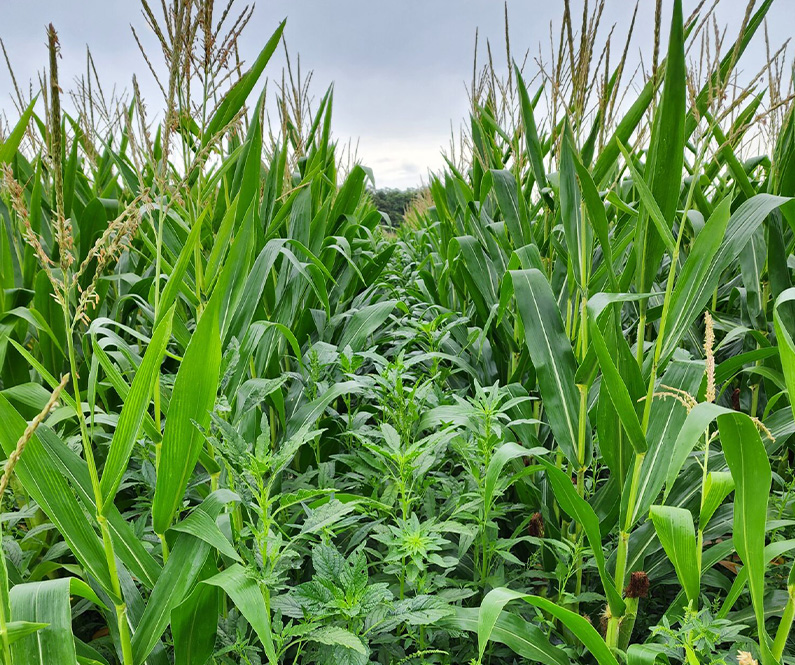
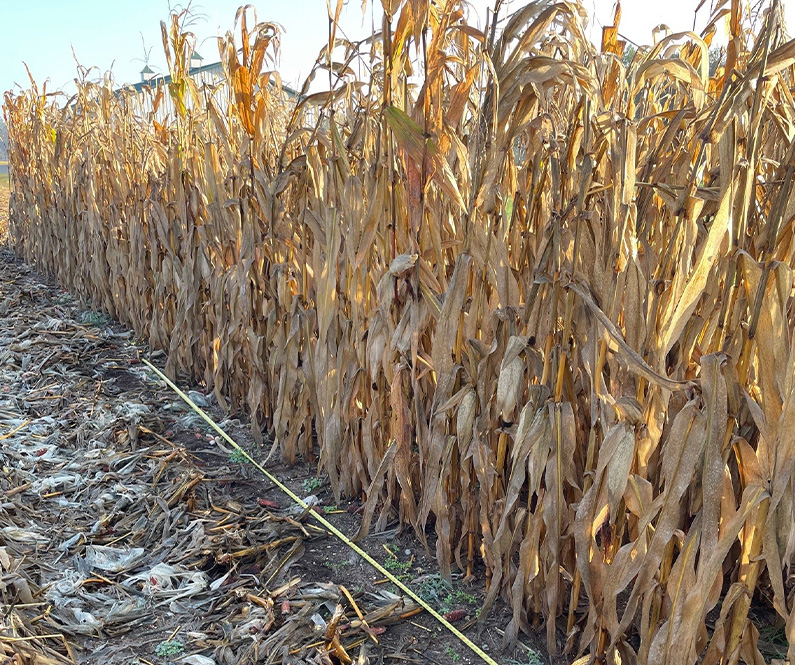
The remnants of Hurricane Beryl passed through northeastern Illinois depositing widespread and varying precipitation. Area wheat growers who have yet to harvest are facing an extended combining schedule and likely lower test weights as the grain rewets and dries. Many corn fields are currently pollinating, always an uncomfortable time to scout. Even so, it is still a critical time to do so, determining leaf disease pressure and fungicide application decisions. Current commodity prices suggest an eight to ten bushel preservation of yield is necessary to justify the cost of most aerial applications. I have yet to see Tar spot, but an agronomist further southeast shared that symptoms have been found. The University of Illinois Plant Clinic is offering free Tar Spot screening again this year. The downloadable screening form can be found at https://extension.illinois.edu/sites/default/files/2024-06/2024_free_corn_tar_spot_form_0.pdf . Waterhemp is starting to push through soy canopies and many conversations in July have centered on resprays and herbicide dissatisfaction. Make note and evaluate your level of control in fields as you plan for 2025. I always enjoy seeing brace root emergence in a corn field. I note hybrid differences and have heard a plant breeder suggest that brace roots are a photosynthetic drain on a corn plant yield potential. Whether it helps or hinders final yield, I feel better when seeing corn plants with the additional anchoring support of brace roots that make it to the soil. In my mind, it’s going to help that plant stand through harvest.
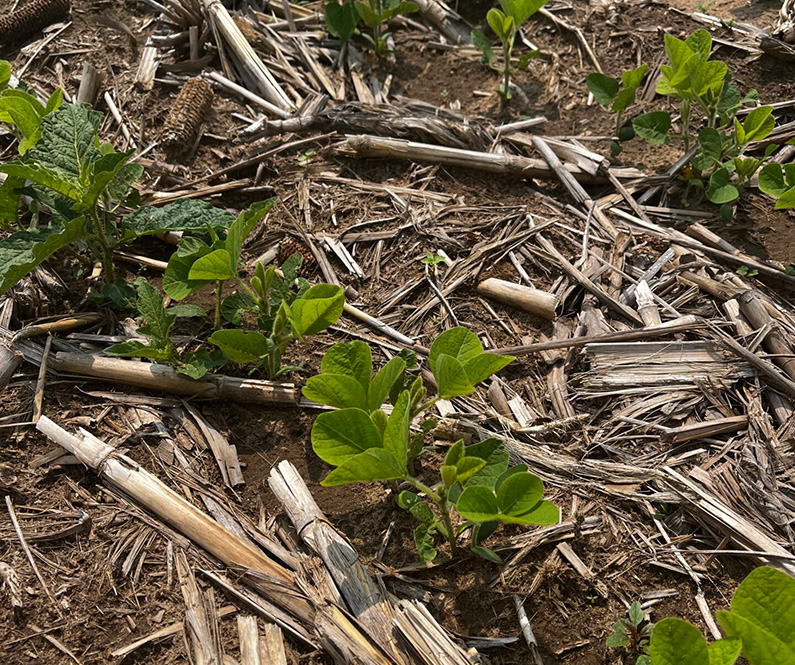
Most of the corn and soybean crop in Ford County is looking healthy after some needed rain from the remnants of Beryl, although it may have been a little more than ideal for a few fields. Low lying areas where farmers struggled getting a crop planted and established this spring once again have standing water. However, the extent of observed ponding was relatively minimal at the time of this survey, with most fields saturated but not too tacky when walking through. A small proportion of the corn fields are at R1, but most are still a leaf or two away from VT. There are also a handful of fields still in the V8-V10 stages. Soybeans ranged from V3/V4 to R2, with most fields showing at least a few flowers. Weed control looked good, overall, in corn. Soybean fields were more variable. With a few exceptions, most fields looked relatively clean from the road, but recently emerged waterhemp seedlings and/or escapes that were not controlled by herbicide applications could be found pretty easily when walking through a number of soybean fields.
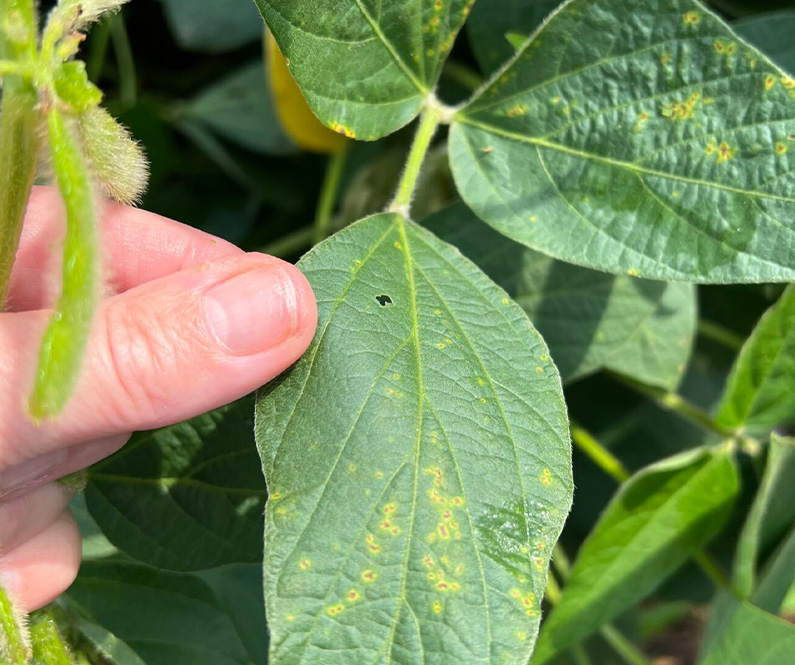
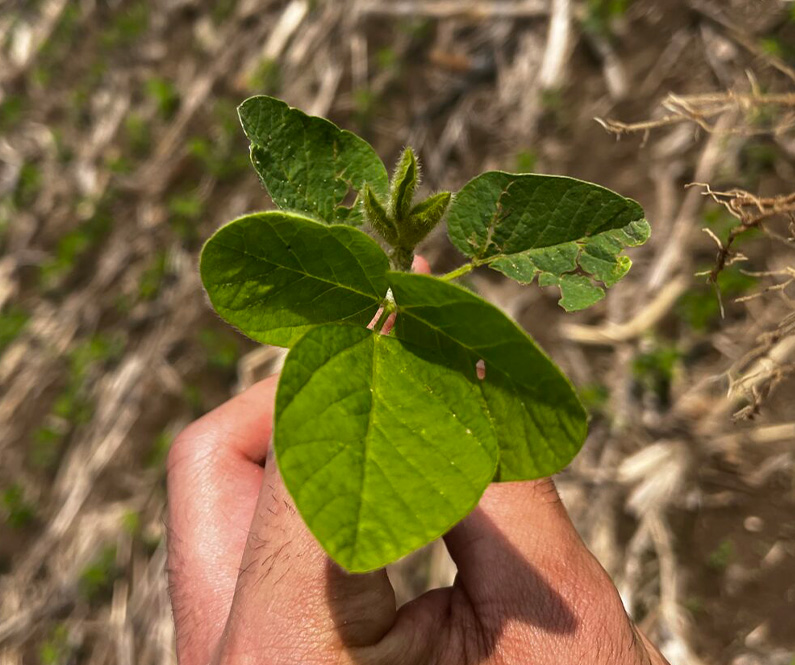
The recent rains from the remnants of Beryl delivered much needed rains to my 3-county area with totals ranging from 1.25 to 3.7 inches. This has been in US Drought Monitor categories: Abnormally Dry to Moderate Drought. At this moment, the corn varies from pollination (R2) to nearly VT stage. All soybeans are blooming with some setting pods. Currently, corn leaf diseases are hard to find and soybeans are suffering some leaf feeding from Japanese beetles.
Driving around Warren County, a large percentage of corn is tasseling. Soybean fields are averaging R2/R3. We’ve had about average rainfall for the area I’m in and just keeping an eye out for diseases as the weather has remained humid with cooler overnights. Quite a number of crop dusters have been out and about around the county.
Some side-dressing is still occurring on later planted corn, and beans are currently being sprayed. Some are struggling to finish wheat harvest due to the wet weather we keep getting. Not all areas have been affected similarly with rain, but the range is between just enough and too much to the point of creating drowned out low areas; we have not experienced much dry weather this season. A lot of corn is tasseling and fungicide applications are due to begin if they haven’t already, with no insect or disease issues yet being reported. With the consistent wet weather we’ve been experiencing, it is recommended to scout regularly for occurrence of disease.


 and then