
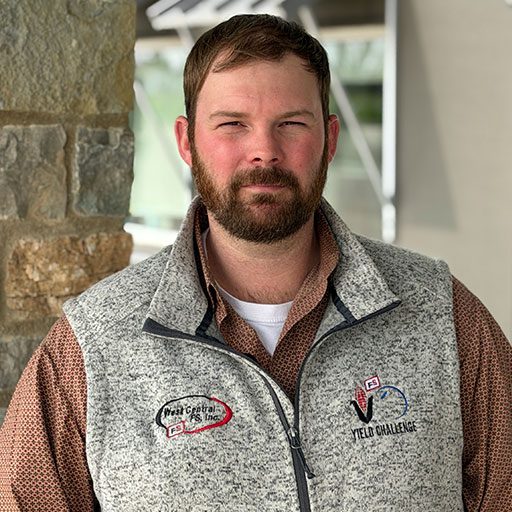
Brandon Hall
Soy Envoy
bhall@westcentralfs.com
Brandon Hall
Soy Envoy
bhall@westcentralfs.com
Brandon Hall UPDATES
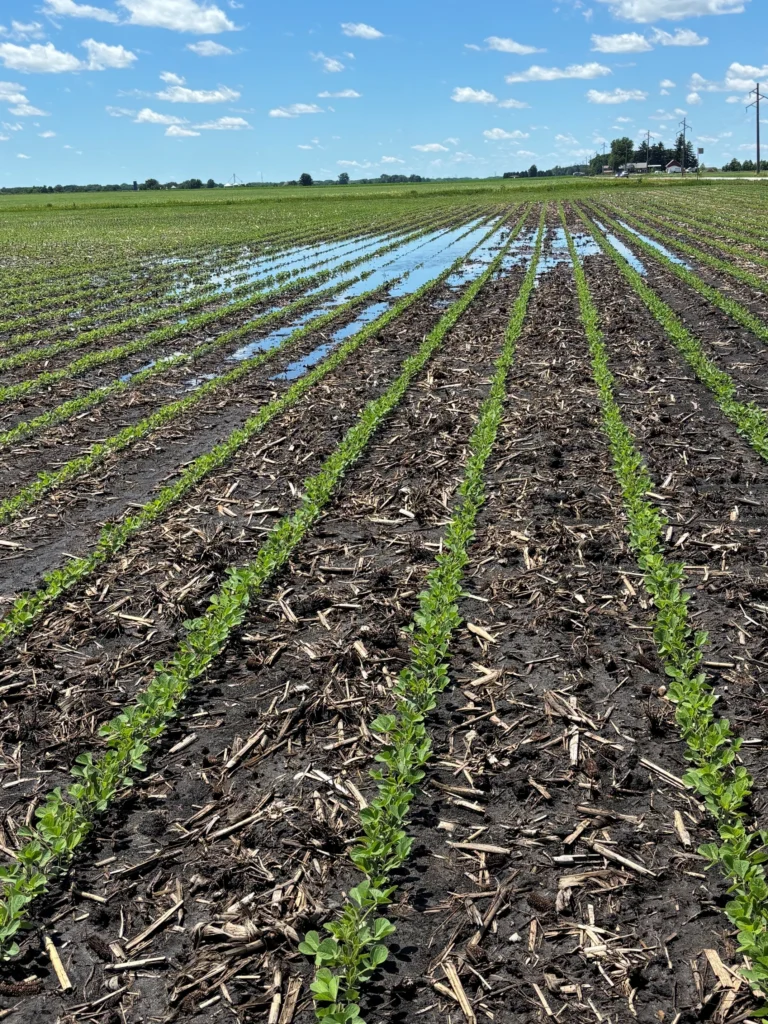
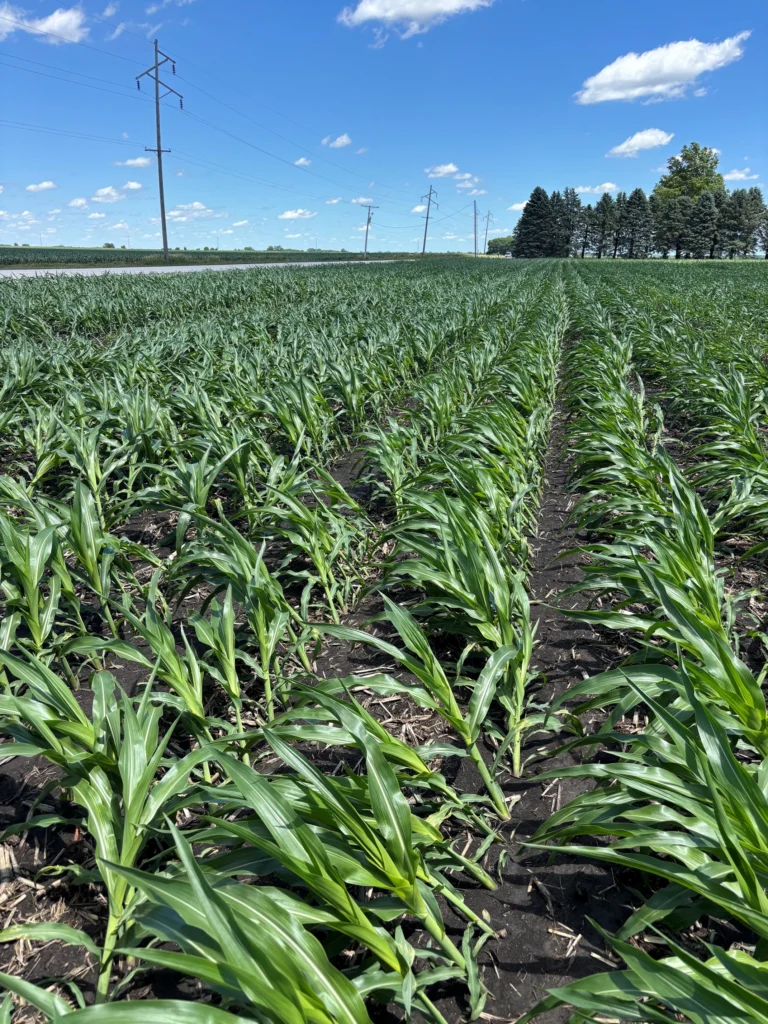
Weather continues to be the story for our region. Luckily, the week of May 31st, we were able to have a productive week in the fields spraying post emergence corn and soybean herbicide applications along with dry fertilizer top dress applications. The week of June 7th has been surrendered due to unpredictable precipitation and severe weather events throughout the region. Flash flooding has been a concern with rainfall totals nearing 10 inches in parts of our region. With this heavy rainfall and saturated soils, many fields have corn leaning. Weeds continue to be a problem and a concern in our crop fields, with the uncertainty of when we will be able to return to post herbicide applications. Corn growth and development have skyrocketed these past few weeks, with high humidity and warmer temperatures driving growth. Soybeans seem to be taking off as well, but 30-inch rows are a way away from canopy. Lightning bugs indicate scouting for corn rootworm will be necessary in the coming weeks. With the heavy rain this past week, it was a perfect opportunity for us to take a couple of days to support and connect with our local FFA section and chapters at the 98th Illinois FFA State Convention.
Week of May 31st– June 6th was 80 degrees+. Good week for spraying. This week was particularly humid causing spotty showers across our region. Not comfortable for work, but perfect for corn and soybean development. Wind was not an issue. Week of June 7th, rainy conditions continued throughout the week beginning on Sunday. Showers started out spotty but became widespread throughout the week. With these storms, wind has begun to be an issue with the corn standability. Corn seemed to jump overnight.
In the week of May 31st, we started out particularly dry, but as we entered the week of June 7th, we got a little bit more than we bargained for. Throughout the region we got anywhere from 3.5 inches to 10 inches of rain. Numerous flash flooding throughout the region.
The week of May 31st was very dry, but as we continued through the next week soils became extremely saturated to the point that many places had standing water in the fields.
Post emergence spray applications and top dress fertilizer applications continued throughout the week of May 31st, coming to a halt due to rain throughout the next week. Post emergence corn applications are wrapping up in the region. Post emergence soybean applications have become a focus.
Soybean crop growth and development ranges from V2-V4, with majority in the V3 stage (three sets of trifoliates).
Corn crop growth and development ranges from V5-V7. Growing point is transitioning from below ground to above ground. This stage is vulnerable; snap becomes a concern as weather conditions change. Corn crops are beginning to turn dark green revealing that the plants are reaching the nitrogen applied in the fall.
Wheat crop is transitioning from green to brown in color. Wheat stages range from Feekes 11.1-11.4. Ripening/maturing stage.
A few Japanese beetles present. Lightning bugs are becoming more prevalent, which means we will begin to see corn rootworm soon. Lightning bugs and corn rootworm are famously linked due to them each having a very similar life cycle. We plan to put traps out next week to observe insect pressures.
Where do we start! Waterhemp continues to be a major concern. There are also a variety of undesirable weeds present in our ag fields. Others found include morningglory, cocklebur, velvetleaf, hedge bindweed, crabgrass, giant ragweed, foxtail, etc.
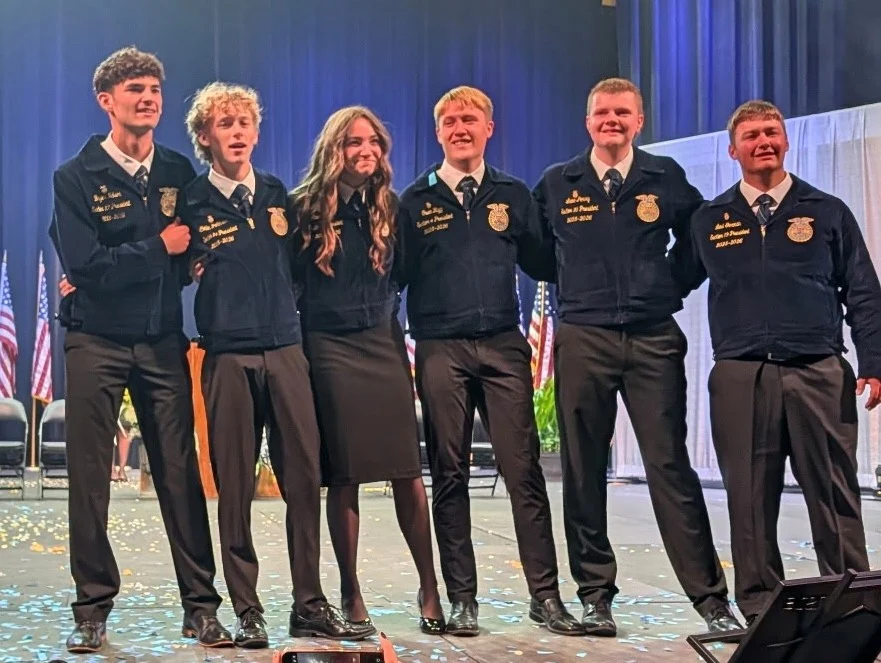
This week was the 98th annual Illinois FFA state convention where students were recognized for their accomplishments within the organization. Congratulations to all of the Section 4 winners. Special congratulations to Owen Rigg from the Williamsfield FFA chapter for being elected as the 2026-2027 Illinois FFA State Secretary.
EMAIL SIGN UP
Sign up to receive our newsletter for up-to-date news and offers directly in your inbox:
LINKS
FOLLOW FIELD ADVISOR

The Illinois Soybean Association (ISA) checkoff and membership programs represent more than 43,000 soybean farmers in Illinois. The checkoff funds market development, soybean production and government relations efforts, while the membership program, Illinois Soybean Growers (ISG) and the Illinois Soybean Growers PAC actively advocates for positive and impactful legislation for farmers at local, state and national levels. ISA upholds the interests of Illinois soybean farmers through promotion, advocacy, research and education with the vision of becoming a trusted partner of Illinois soybean farmers to ensure their profitability now and for future generations.
© 2026 Illinois Soybean Association

 and then