
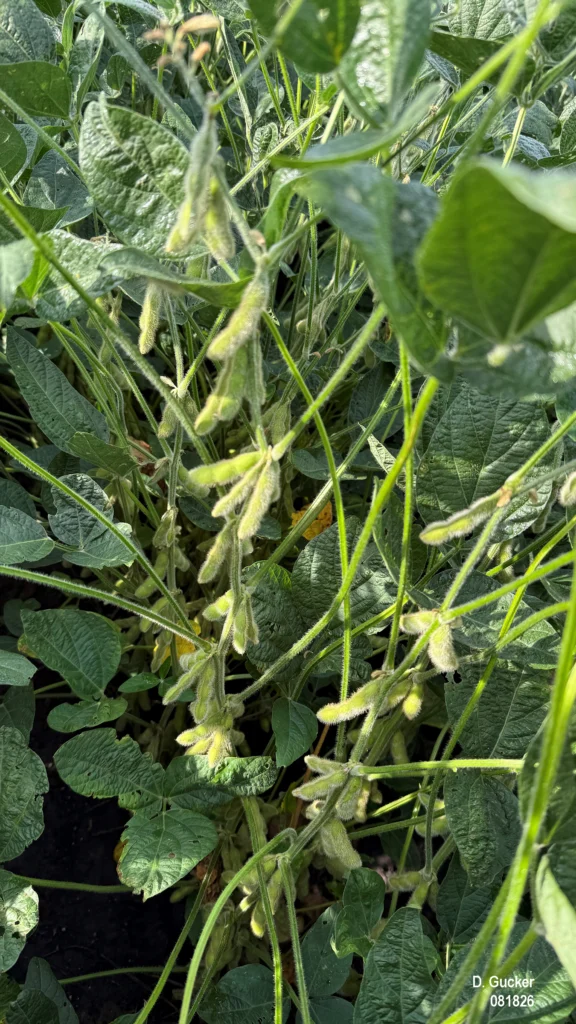
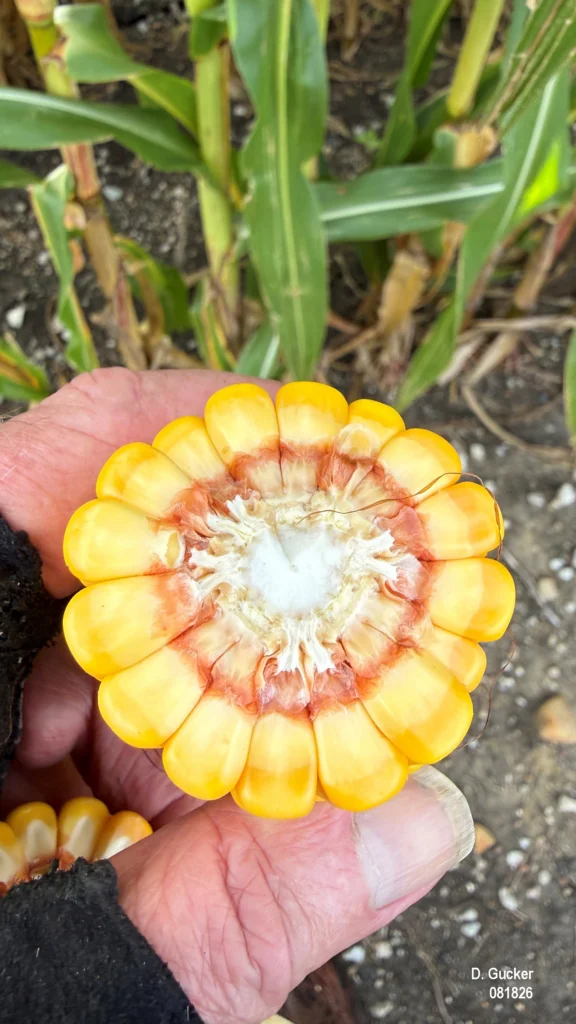
Generally, the corn and soybean fields look very good. The exceptions are fields that have been damaged by severe weather, or flooding.
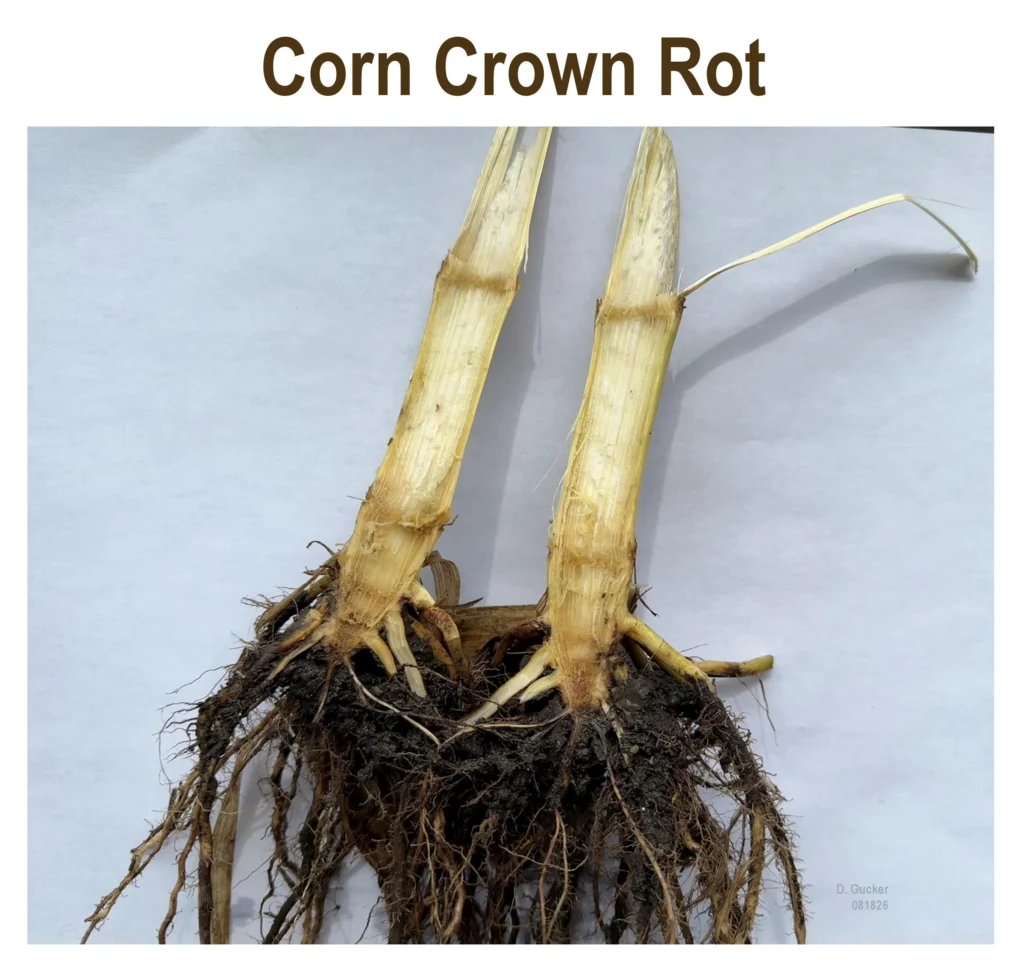
Over the past week, symptoms of Corn Crown Rot have become visible in areas of some fields. What I am seeing is these affected areas are patches of dead, lodging corn plants. Dr. Boris Camiletti, Extension Plant Pathologist, said the photo above appeared to be Corn Crown Rot. A sample is being sent to the U of I Plant Clinic for a diagnosis. Corn crown rot disease infects corn plants in the early portion of the growing season, and the disease is more prevalent in wet, compacted soils.
EMAIL SIGN UP
Sign up to receive our newsletter for up-to-date news and offers directly in your inbox:
LINKS
FOLLOW FIELD ADVISOR

The Illinois Soybean Association (ISA) checkoff and membership programs represent more than 43,000 soybean farmers in Illinois. The checkoff funds market development, soybean production and government relations efforts, while the membership program, Illinois Soybean Growers (ISG) and the Illinois Soybean Growers PAC actively advocates for positive and impactful legislation for farmers at local, state and national levels. ISA upholds the interests of Illinois soybean farmers through promotion, advocacy, research and education with the vision of becoming a trusted partner of Illinois soybean farmers to ensure their profitability now and for future generations.
© 2026 Illinois Soybean Association

 and then