
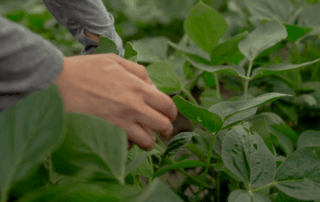
SOYLEIC Varieties Deliver Competitive Yields
ISA's Annual Insights Report highlights checkoff-funded research showing that all SOYLEIC varieties yield comparably to Plenish and leading Pioneer checks.
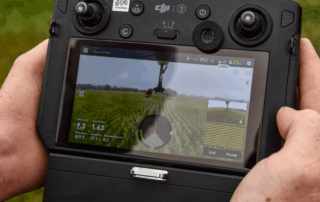
Considering a Fungicide Application by Drone? You’re Not Alone – Part 2
In part two, Stephanie Porter, CCA, shares 2023 Purdue research comparing drone and ground rig fungicide applications, highlighting coverage, disease control, and yield results.
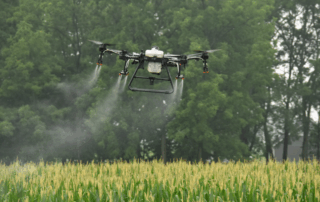
Considering a Fungicide Application by Drone? You’re Not Alone – Part 1
In part one of this two-part series, Stephanie Porter, CCA, breaks down the pros and cons of drone fungicide applications—and what farmers need to consider before taking flight.
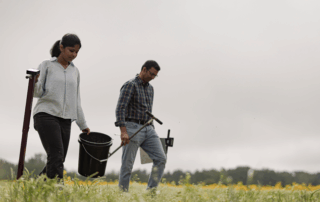
Site-Specific Management Offers Economic Edge for Soybean Growers
ISA checkoff-funded research shows that site-specific management and biologicals can increase soybean meal value—helping farmers compete in quality-driven markets.
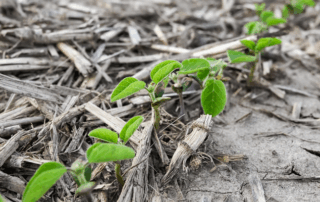
Gene Editing Offers Potential New Path for Managing SCN
Illinois researchers are using CRISPR and RNA sequencing to identify genetic targets that could disrupt soybean cyst nematode reproduction.
Pesticide Policy Update: The Latest from D.C. and Springfield
Stay informed on EPA’s final herbicide and insecticide strategies, Illinois applicator licensing changes, and other legislation that may impact your farm in this episode of the Field Advisor Podcast.
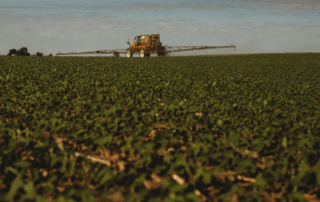
Practical Guide to Meet Runoff Mitigation Point Requirements Under EPA’s Strategy
Get a step-by-step look at how to assess your fields for spray drift and runoff mitigation under EPA’s Herbicide Strategy.
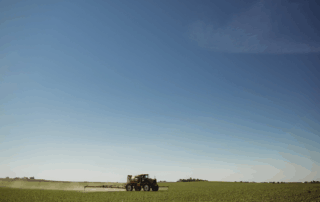
EPA Releases Final Insecticide Strategy
Farmers face no immediate changes under EPA’s new Insecticide Strategy, but it will guide future labeling as products come up for review.
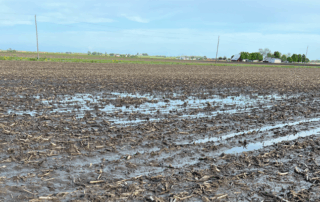
When Planting Is Delayed by Rain—Is It Better Than Planting in Dust?
While a wet spring has delayed planting for many Illinois farmers, Stephanie Porter, CCA, says there’s still time to maximize yield potential by prioritizing corn first, adjusting soybean populations and management, and making strategic in-season decisions as conditions allow.
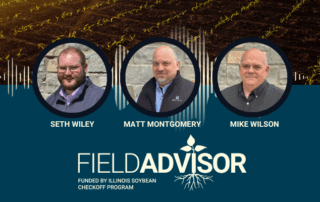
IL Planting Progress: Smooth Sailing or Still Waiting…
Hear planting updates, replant advice, and weed scouting tips from Illinois Soy Envoys on the latest Field Advisor podcast.


 and then