Phantom Yield Loss, Test Weight and Harvest Decisions
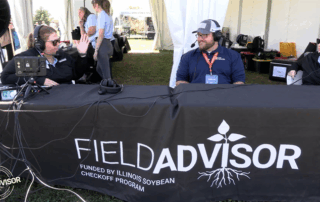
On the Field Advisor Podcast, Dr. Connor Sible discusses soybean sulfur trials, tissue testing, phantom yield loss in corn, harvest challenges, and farmer involvement in research.
Let’s Talk NRCS/USDA Conservation Funding
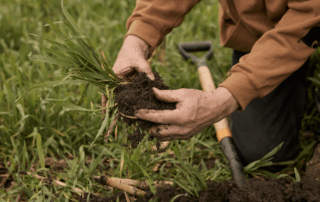
IL Soy Envoy Byron Hendrix explains how farmers can access financial support for conservation practices they already use—or want to add—on their farms.
Dicamba Decisions, Glyphosate Debates, and the MAHA Report
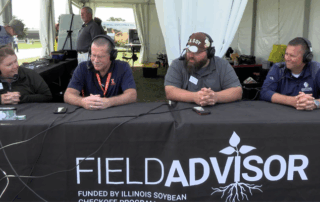
Experts break down the latest on pesticide regulations, dicamba and glyphosate updates, applicator training, and what farmers need to know heading into harvest and fertilizer decisions.
This Harvest Season is Shaping Up to Be Another Dry One
On the Field Advisor Podcast, Matt Reardon breaks down harvest weather trends, soil moisture, hurricane season, and his forecast for the weeks ahead.
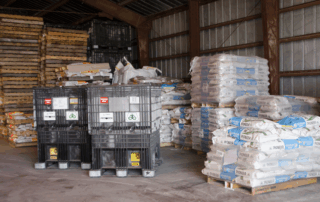
Soybean Selection 101
With seed orders going in, Stephanie Porter, CCA, explains how the right soybean variety choices can protect yield and profitability.
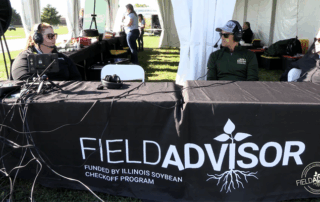
Standability Will Be Huge This Year With Harvest Approaching
Cooler weather is helping crops finish, but disease pressure and standability concerns make harvest scouting critical—listen to the latest Field Advisor podcast episode.
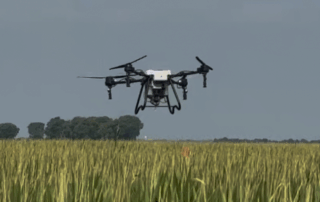
Cracking the Code: Why Drones Work in Fungicide Applications
Drones are proving to be a reliable tool for fungicide applications—Matt Montgomery digs into how coverage, canopy movement, and spray quality make it work.
Genetic Modification Hits the ’90s — and American Agriculture — Hard!
IL Soy Envoy Mike Wilson shares his firsthand perspective on how the 1990s transformed farming and set the stage for today’s ag innovations and challenges.
How Aerial Imagery Is Changing Yield Forecasting
IL Soy Envoy Haley Brokate of Illini FS shares her experience using aerial imagery to guide yield forecasting weeks before harvest begins.
On-Farm Trials Find Fertilizer and Row Spacing Have Minimal Impact on Soybean Yields
The study concluded that farmers should plant in 15” rows and avoid unnecessary fertilizer when soil pH, P1, and K are within recommended ranges.


 and then