
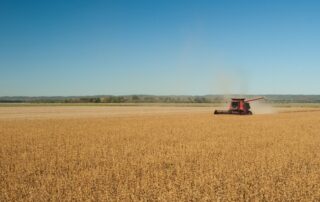
Agronomics: Harvest 2014: Understanding Moisture
Soybean harvest has already commenced in Southern Illinois in some fields with early Group 2 varieties, but most fields aren’t ready yet. Because some [...]
Agronomics: Webinar: Better Quality Means Higher Value
When it comes to soybeans, better quality equates to higher value. That’s because higher quality leads to greater demand, which can increase the price [...]
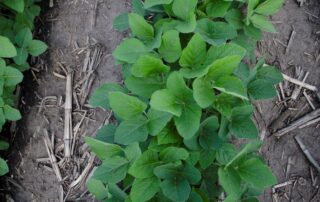
Tracking Pod Count to Build Higher Yields
Strive to understand how soybeans produce pods and track pod count per plant as a tool to build more yield. We are into July, [...]
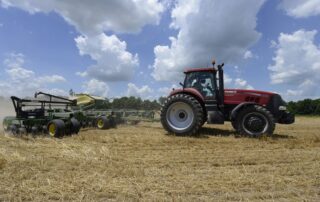
Weed Management: Weed Management Considerations in Double-Crop Soybeans
Review strategies to control marestail and other weeds before planting double-crop soybeans. With barley harvest occurring and wheat coming off soon after, double-crop soybean [...]
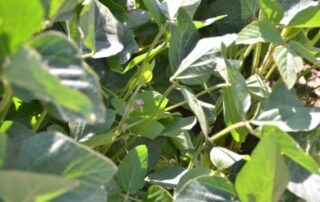
Diagnostics: Three reminders as soybeans enter reproductive growth stage
As we enter the soybean reproductive growth phase there are a few things to keep in mind. The first is that soybeans will produce [...]
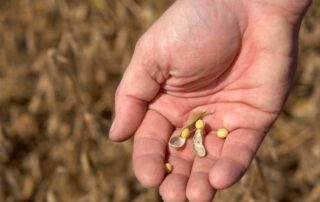
Agronomy: How Many Acres of Soybeans are Needed?
This article originally appeared in University of Illinois’ ACES College Agriculture News and has been reposted with permission. URBANA, Ill. – The USDA’s survey of U.S. [...]
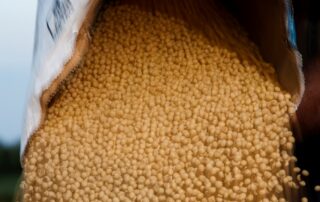
Insects: Inoculate or Not?
Inoculate or Not? How do I sort out whether to inoculate my soybean seed? Today when you decide to treat your soybean seed you [...]
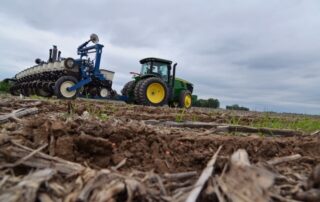
Diagnostics: New Information Regarding Soybean Planting Depth
This article originally appeared on Michigan State University’s Extension News and has been reposted with permission. Achieving the correct planting depth is more critical for soybean [...]
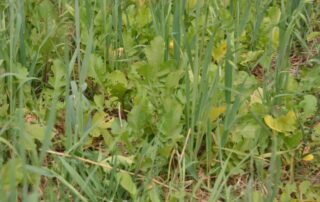
Agronomy: Terminating Cover Crops
This article originally appeared on Iowa State University’s Integrated Crop Management News and has been reposted with permission. There is an increased interest in the use [...]
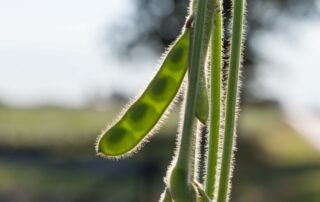
Diagnostics: Why Planting Soybeans Early Improves Yield Potential
This article, from University of Nebraska-Lincoln’s CropWatch, references Nebraska data yet is relevant to the spring season we’ve been experiencing in Illinois and applicable to [...]


 and then