
By Scott Krone, CCA, IL Soy Envoy
If you’ve been scouting soybean fields and spotted small cup-like fungi on the soil surface, do not assume white mold is present or will develop later in the season. A common scouting mistake is confusing white mold apothecia with bird’s nest fungi. Many conversations around white mold have turned out to be a false alarm after looking at pictures. While they can look similar at first glance, only one poses a threat to soybean yield.
White Mold: A Yield-Limiting Disease
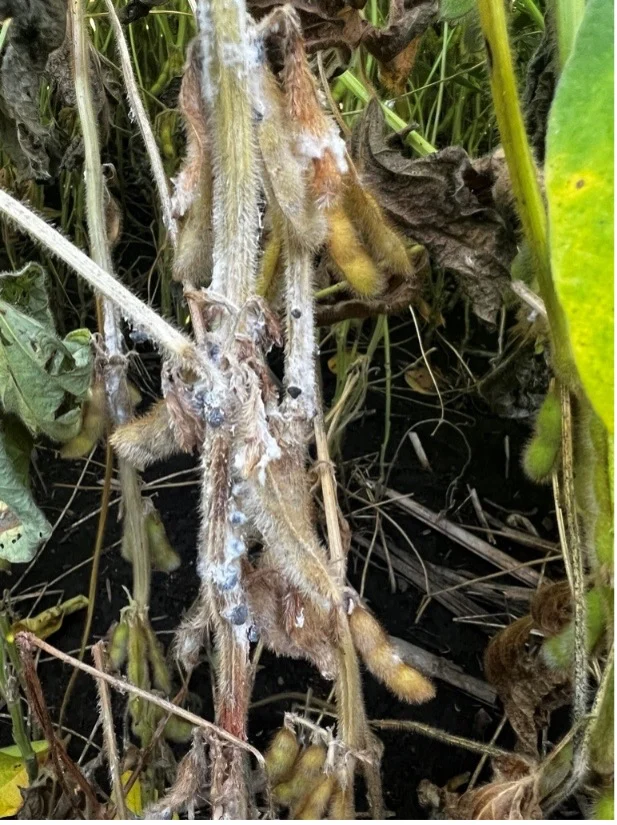
White mold, also known as Sclerotinia stem rot, is caused by the fungus Sclerotinia sclerotiorum. The pathogen survives in the soil as hard, black structures called sclerotia. When conditions are cool and moist, these sclerotia can germinate and produce small, tan cup-shaped mushrooms called apothecia (see photos). These apothecia release spores that infect soybean flowers and eventually stems, leading to wilting, lodging and yield loss. Sclerotia form in or on the stem then return to the soil during harvest, thus completing the cycle.
Finding apothecia in a field can indicate that conditions are favorable for white mold development, especially during flowering and early pod set. Since they form from the fungi’s overwintering structure, identifying them early in the disease cycle can allow for fungicide application before disease infection occurs.
Bird’s Nest Fungi: Harmless Decomposers
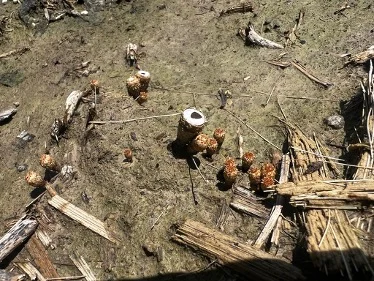
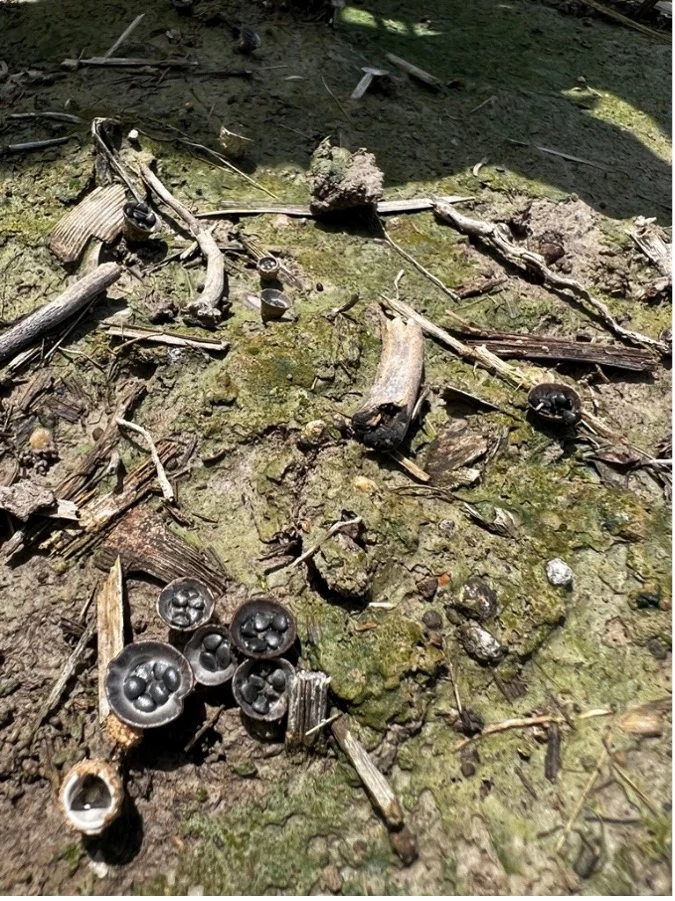
Bird’s nest fungi are often found in soybean fields, particularly where crop residue is abundant. Like white mold apothecia, they appear as small cups on the soil surface. However, bird’s nest fungi are saprophytes, meaning they feed on decaying plant material and do not infect soybean plants. The easiest way to distinguish bird’s nest fungi is to look inside the cup (see photos).
Bird’s nest fungi contain small spore packets that look like small black eggs, while white mold apothecia have a smooth, open cup growing from a black sclerotium in the soil. White mold apothecia can be much harder to spot than bird’s nest fungi, partly due to being smaller. Both fungi produce black round structures, another factor in confusing the two. Although these structures look similar, they perform different jobs in their own life cycle. The white mold sclerotia are a melanized resting structure meant to overwinter through multiple seasons, while the “eggs” of the bird’s nest fungi contain spores that are harmless to soybeans.
Why Accurate Identification Matters
Misidentifying bird’s nest fungi as white mold can lead to unnecessary concern and potentially unnecessary management decisions. White mold management should be based on field history, environmental conditions, variety susceptibility, canopy density and disease risk during the flowering period. Accurate scouting is the first step in making sound management decisions.
The next time you spot small cup-shaped fungi in a soybean field, take a closer look. Those “eggs” inside the cup may be the clue that you’re looking at a harmless decomposer rather than the beginning of a white mold problem.
Additional White Mold Resources
- White Mold ROI Calculator
- https://cropprotectionnetwork.org/white-mold-roi-calculator
- Helps estimate the economic return of fungicide applications based on disease severity, soybean price, yield potential and application costs.
- https://cropprotectionnetwork.org/white-mold-roi-calculator
- Identification of White Mold
- https://cropprotectionnetwork.org/web-books/white-mold-of-soybean?section=identification-of-white-mold
- Helps diagnose white mold in soybeans using field symptoms and fungal structures.
- Crop Disease Forecasting Tool
- https://cropprotectionnetwork.org/crop-disease-forecasting
- Provides disease risk assessments to help guide fungicide decisions during soybean flowering.
- https://cropprotectionnetwork.org/crop-disease-forecasting
- Bird’s Nest Video
- https://www.youtube.com/watch?v=EGlaQhDi5ts
- If bird’s nest fungi still aren’t exciting enough for you, check out this action-packed video set to Nirvana’s Smells Like Teen Spirit.
- https://www.youtube.com/watch?v=EGlaQhDi5ts
- NDSU Extension: White Mold of Soybean
5606015
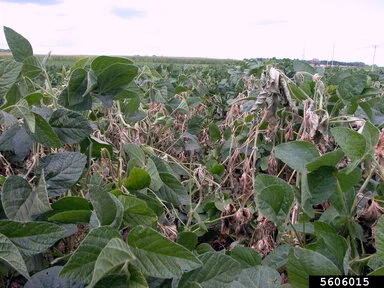
Canopy view of white mold. Credit: Craig Grau, Bugwood.org
white mold 3
Bird’s Nest Fungi Forming (Picture by Scott Krone)
white mold 1
Bird’s Nest Fungi fully expanded (Picture by Scott Krone)
Picture14
White Mold sclerotia and white mycelium formed on soybean stem (Picture by Scott Krone)
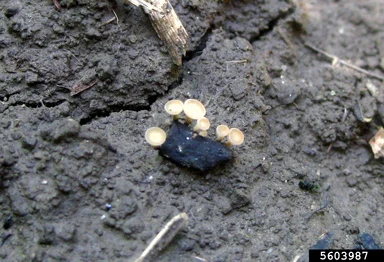
5603987
Apothecia of the white mold fungus germinating from a sclerotium. Credit: Craig Grau, Bugwood.org
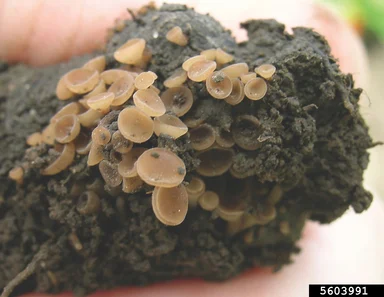
5603991
Apothecia of the white mold fungus germinating from a sclerotium. Credit: Angela Peltier, Bugwood.org

Scott Krone is a Product Development Agronomist for GDM Seeds. In his role, he advances products out of the experimental stage and into the commercial pipeline. He serves as a point person, reviewing product lifecycles and technical support to branded and distribution channels. After growing up in Edwardsville, IL, Scott earned a bachelor’s degree in Crop Science from the University of Illinois Urbana-Champaign in 2019. Recently, Scott met all the requirements to become a CCA and has been approved by the board. Scott is an Illinois Soy Envoy for the 2026 growing season.


 and then
FIND US ON