
Refining Cover Crop Recommendations for Corn-Soybean Rotations Based on Species and Timing
Compare how different cover crop species and mixtures, combined with two termination timings, affect corn and soybean performance in rotation to help refine regional recommendations for farmers and advisors.
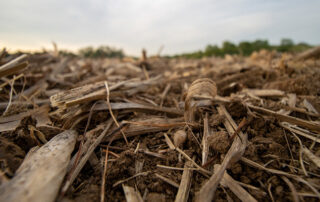
Residue Management and Nutrient Value for Soybean Production
Tracking the release of nitrogen and sulfur from corn, wheat, and cereal rye residue for soybean uptake, while also evaluating how tillage and biologicals affect the rate and amount of nutrient release.
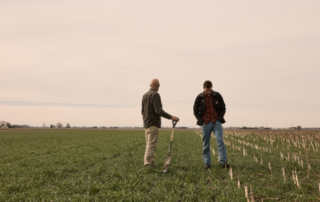
Evaluation of a Targeted Conservation Plan in the Lake Bloomington Watershed
Analyze water quality data from Lake Bloomington and Evergreen Lake watersheds to identify nutrient loss hot spots and provide farmers with targeted resources to support adoption of conservation practices such as cover crops.
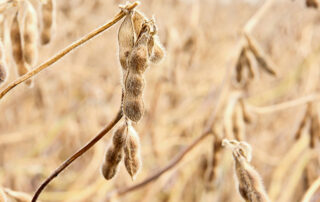
Diversifying Genetic Resistance to Soybean Cyst Nematode
Developing new soybean varieties with stacked SCN resistance genes, giving farmers more options to rotate and better manage SCN in their fields.

Using Genetic Engineering to Help Control Soybean Cyst Nematode
Using genetic engineering, including CRISPR, to find new ways to reduce SCN reproduction and survival, with lab testing to identify the best options.
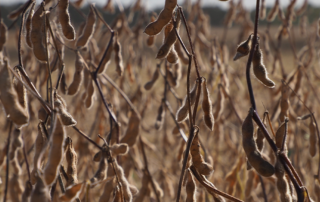
Free Soybean Cyst Nematode Testing for Illinois Farmers
Offer free SCN soil sampling to help farmers determine presence, population levels, and response to available soybean resistance sources.

Measuring How Insect Pests Impact Yields and the Value of Pest Control Products
Understanding which insect pests affect soybean yields and how often pest control products deliver a profitable return in Illinois fields.

Enhancing the Profitability of Wheat-Soybean Double Cropping
Characterizing and developing new high-yielding winter wheat varieties with early maturity – an important trait that enables earlier planting of double-crop soybeans to maximize yield potential.
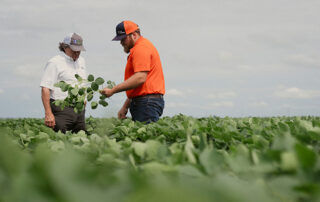
Evaluating Leaf Nutrient Tissue Testing and Relation to Soybean Grain Yield
Determine which nutrients and in what quantities are remobilized within soybean plants through tissue testing to improve the accuracy and timing of in-season nutrient recommendations and maximize yield.

Evaluation and Commercialization of SOYLEIC™ Varieties in Illinois
Develop high-yielding, Illinois-adapted non-GMO soybeans with improved oil quality to expand soybean oil markets, create new contracting opportunities, and increase long-term demand and value for Illinois-grown soybeans.


 and then