

Know your SCN numbers before next season. Take advantage of free SCN egg testing from the Illinois Soybean Association and University of Illinois to assess risk, protect yield potential, and make more informed soybean variety and management decisions.
October 26, 2026
| by Jennifer Jones
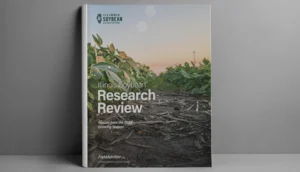
See how your Illinois Soybean Checkoff dollars are working for you with results from 24 farmer-focused research projects, and discover practical insights from the 2025 growing season that can help inform decisions on your farm.
October 22, 2026
| by Jennifer Jones
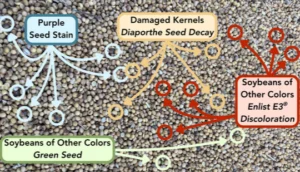
Harvesting soybeans with unusual discoloration or seed damage this fall? Understanding the difference between cosmetic and quality-impacting issues can help explain dockage decisions and set expectations at delivery.
October 20, 2026
| by Science for Success

ISA's Darby Danzl and Whitney Miller share updates about ISA's partnership with USDA's Natural Resources Conservation Service (NRCS).
October 19, 2026
| by Darby Danzl

Think cover crops cost more than they’re worth? IL Soy Envoy Tim Laatsch, CCA, shares five management moves that can turn cover crop headaches into healthier soils, stronger returns and long-term farm success.
October 15, 2026
| by Tim Laatsch

Purple seed stain is showing up in more soybean fields this season. Learn what’s driving the increase, how to identify it, and what it could mean for seed quality and marketing.
October 13, 2026
| by Science for Success
Know your SCN numbers before next season. Take advantage of free SCN egg testing from the Illinois Soybean Association and University of Illinois to assess risk, protect yield potential, and make more informed soybean variety and management decisions.
October 26, 2026
| by Jennifer Jones |
See how your Illinois Soybean Checkoff dollars are working for you with results from 24 farmer-focused research projects, and discover practical insights from the 2025 growing season that can help inform decisions on your farm.
October 22, 2026
| by Jennifer Jones |
Harvesting soybeans with unusual discoloration or seed damage this fall? Understanding the difference between cosmetic and quality-impacting issues can help explain dockage decisions and set expectations at delivery.
October 20, 2026
| by Science for Success |
ISA's Darby Danzl and Whitney Miller share updates about ISA's partnership with USDA's Natural Resources Conservation Service (NRCS).
October 19, 2026
| by Darby Danzl |
Think cover crops cost more than they’re worth? IL Soy Envoy Tim Laatsch, CCA, shares five management moves that can turn cover crop headaches into healthier soils, stronger returns and long-term farm success.
October 15, 2026
| by Tim Laatsch |
Purple seed stain is showing up in more soybean fields this season. Learn what’s driving the increase, how to identify it, and what it could mean for seed quality and marketing.
October 13, 2026
| by Science for Success |


 and then