
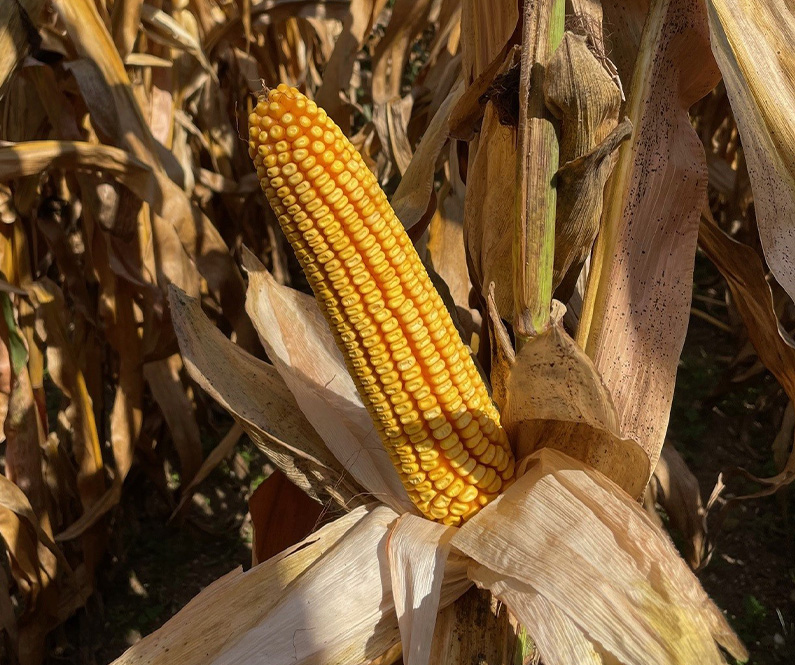
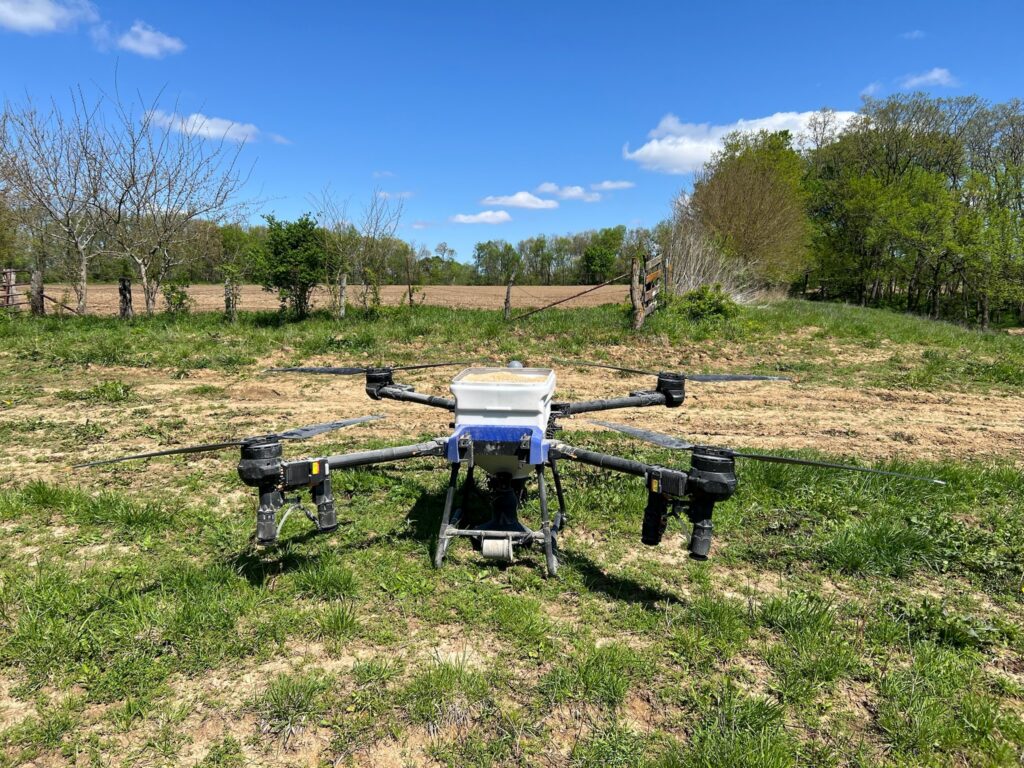
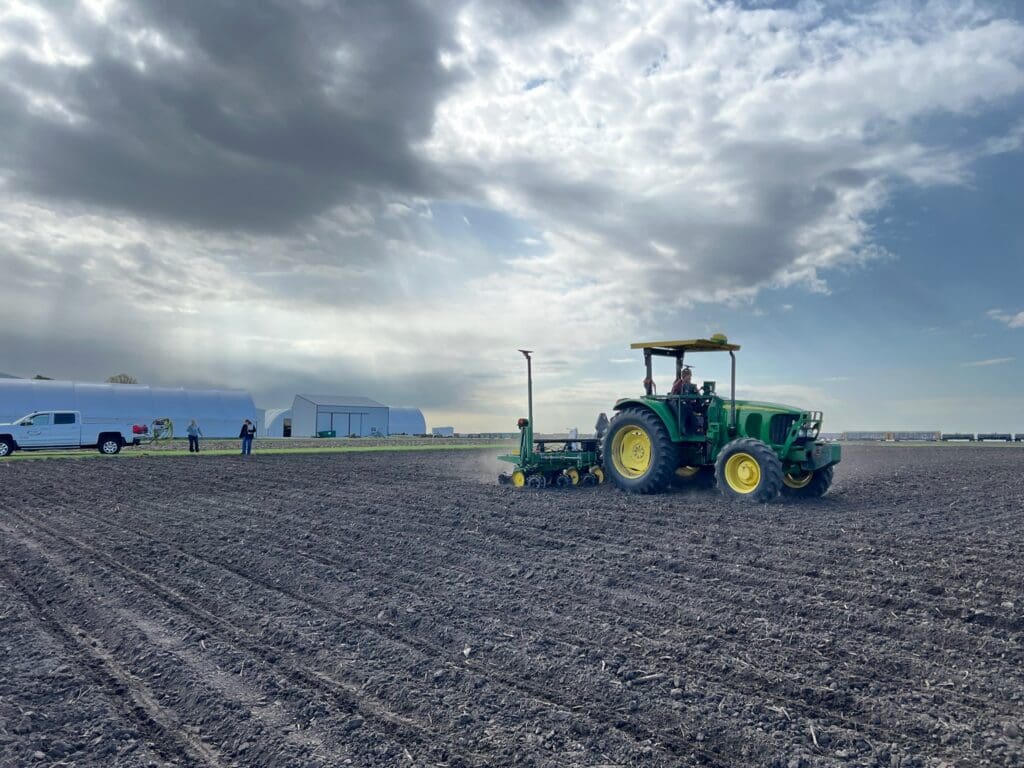
Our region received between 0.4 and 1 inch of rain on Monday, April 27, and the majority of the week was cool and overcast with small chances of rain every day during the week. Since the first part of the week was not optimal for fieldwork, we found a way to stay busy doing projects like aerial seeding a new pasture. Farmers are pushing to get more done before the next rain. Fieldwork picked up toward the end of the week, allowing us to accomplish more than anticipated, as well as assisting in planting corn research plots at the FS Technology Learning Center in Galesburg.
Monday’s rain brought cooler temperatures this week, with daytime highs in the 50s and 60s and lows in the 30s and 40s. The week ended with slightly warmer weather, with Sunday reaching 70-plus degrees. Temperatures continue to be a roller coaster of emotions as we continue into the spring season.
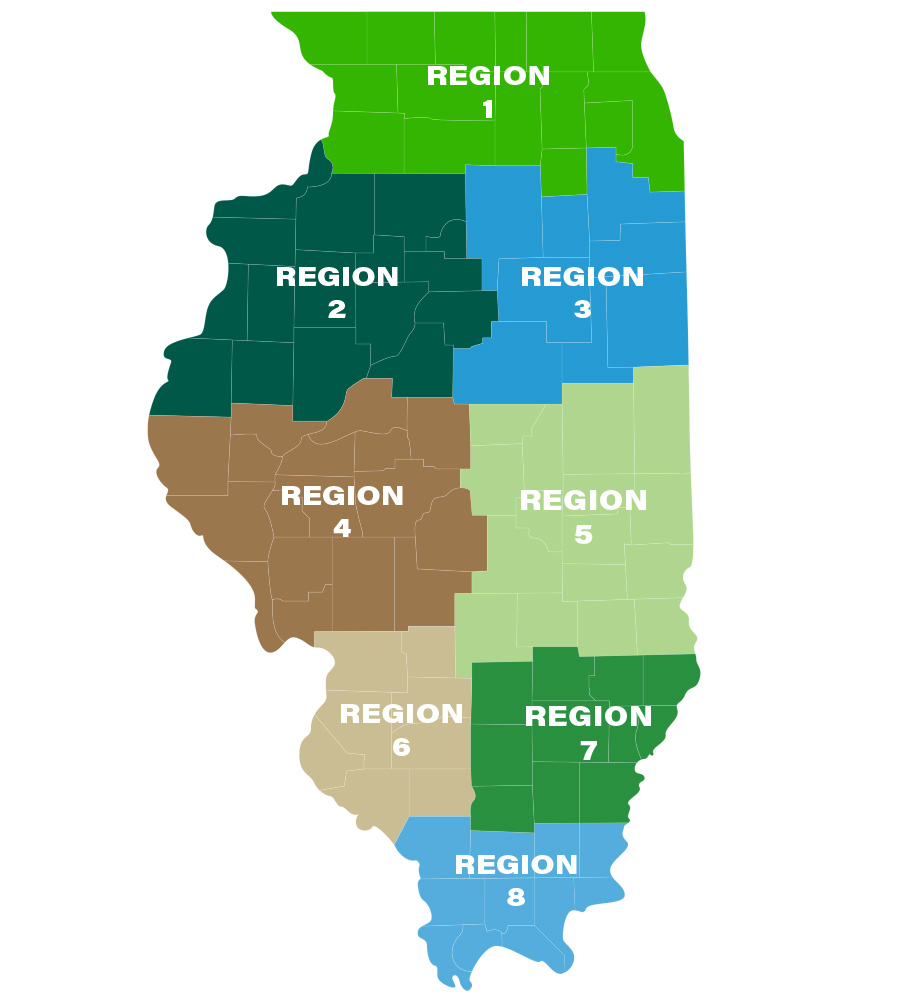
Beginning of the week, we received anywhere from 0.4 to 1 inch of rainfall with the storms on Monday. The southern part of our region got more severe storms and a little more rain. Throughout the week, we got a few spotty rains, but not enough to be noticeable.
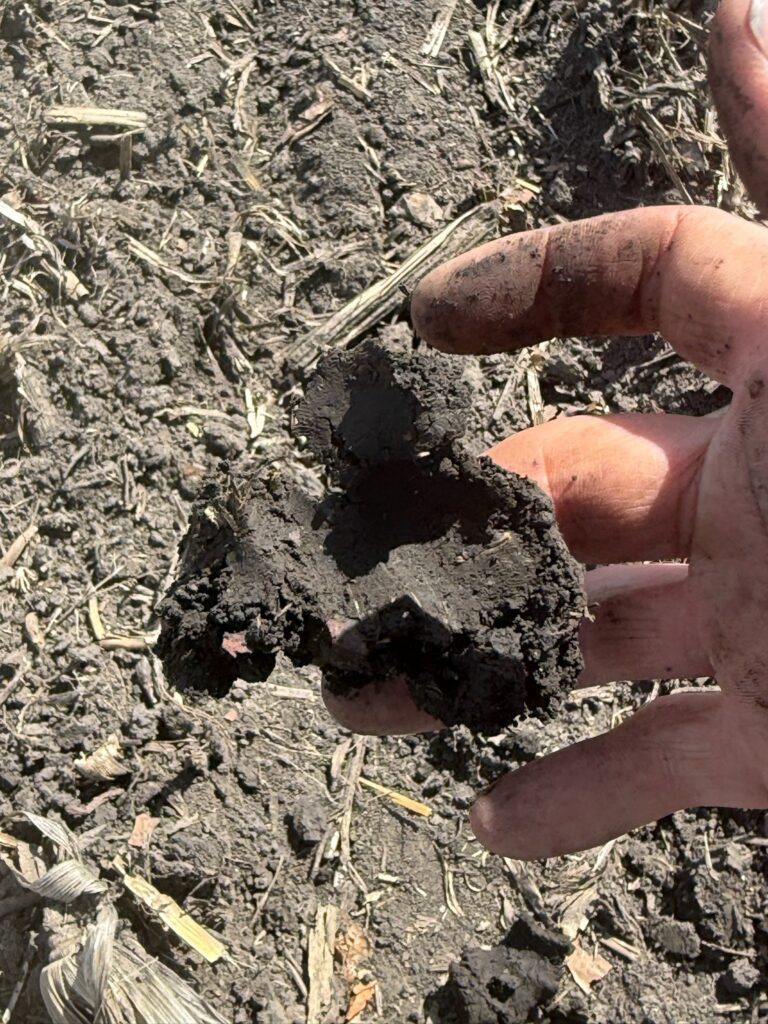
Field and soil conditions were wet at the beginning of the week and continued to become drier, with planters and sprayers back in the field by Thursday morning.
We ended last week on Sunday with people pushing to get more and more done in the field. After the rain, field activities were halted, especially during the first part of the week. Things picked back up full throttle Thursday morning.
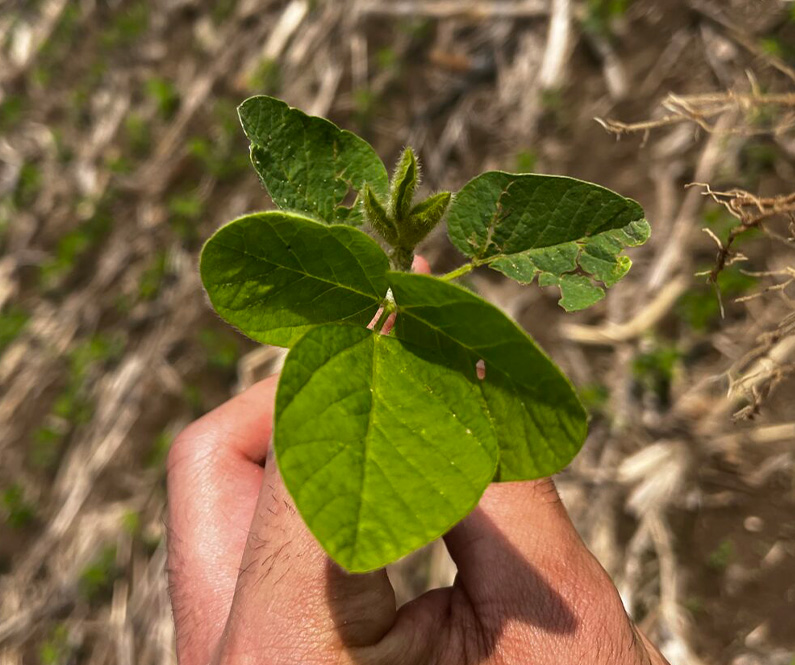
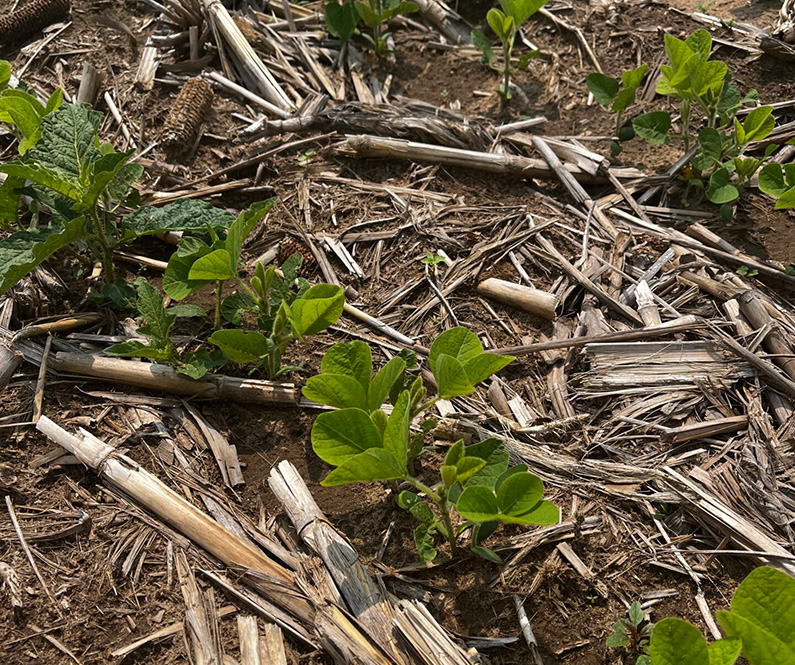
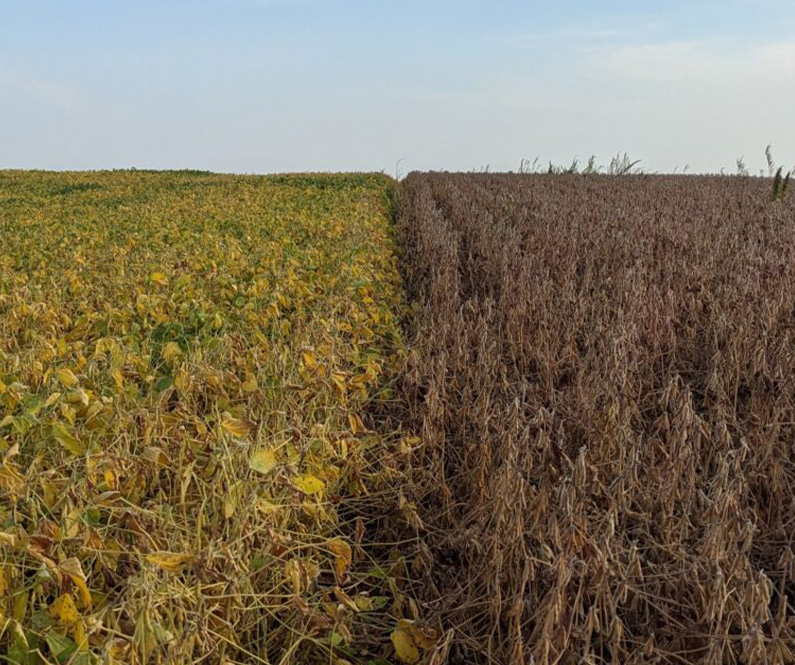
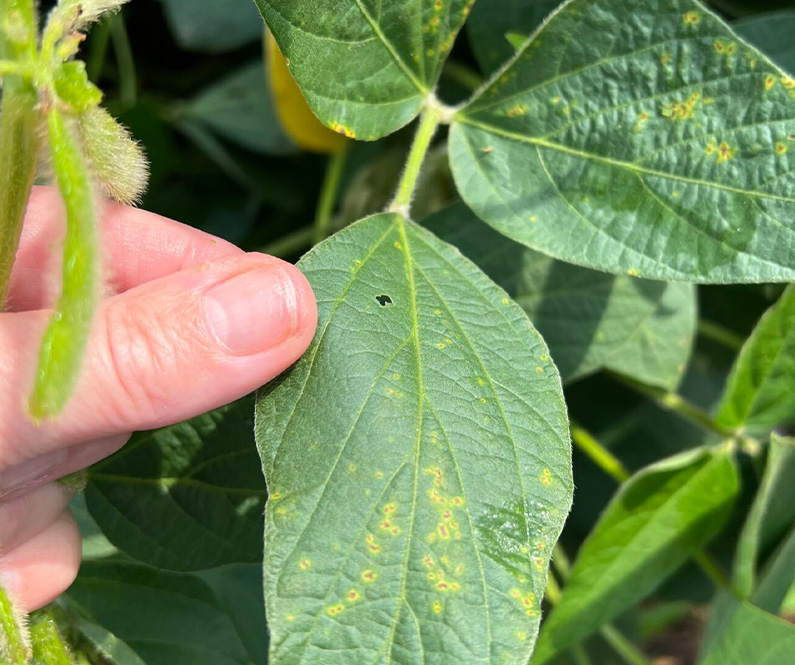
Soybeans continue to be planted, with some at the VE or VC stages. Soybean growth and development have been extremely slow due to colder soil conditions.
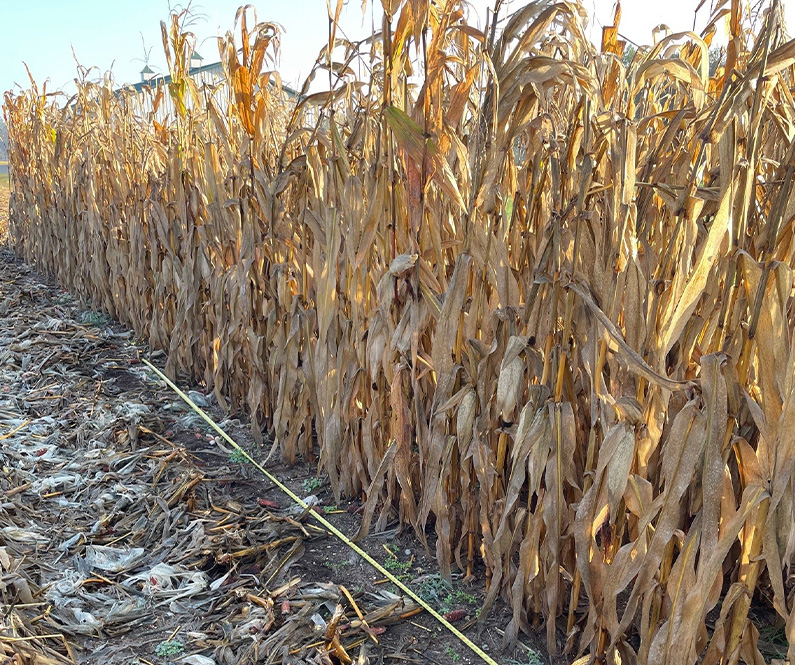
Many farmers have started planting corn. Some have held off due to cold, wet soil conditions with colder temperatures forecast for next week. Corn growth is extremely slow due to colder soil conditions, taking nearly three weeks to emerge.
Growth of all grass crops, including wheat, has slowed due to reduced daytime temperatures and low nighttime temperatures.
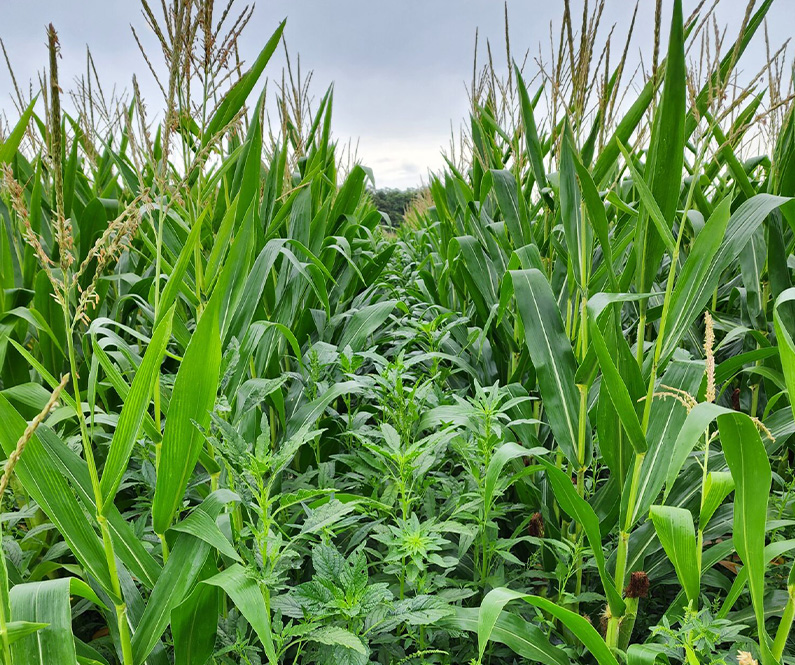
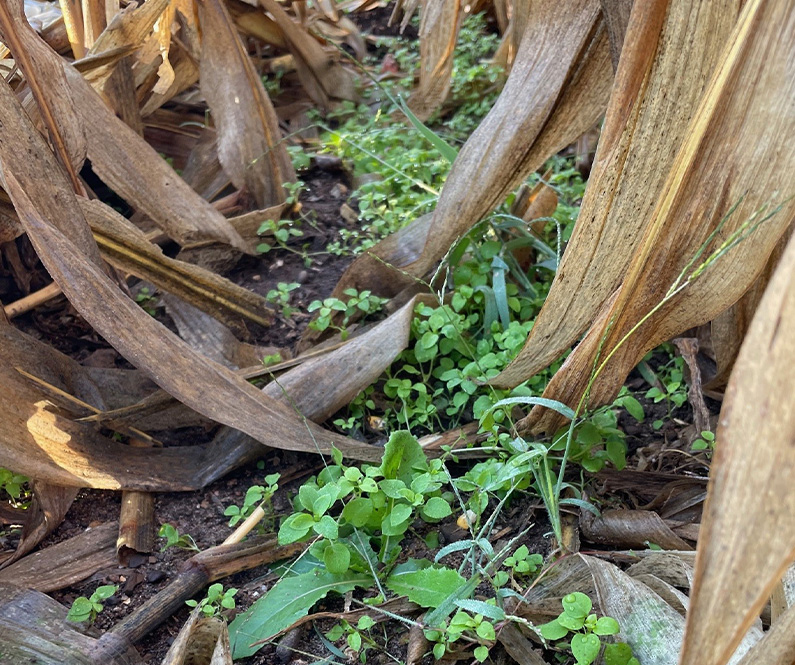
Drone pasture spraying continues to be a focus of ours. Even with cold temperatures and reduced growth, pasture weeds continue to emerge, such as thistles, ragweed and others.
EMAIL SIGN UP
Sign up to receive our newsletter for up-to-date news and offers directly in your inbox:
LINKS
FOLLOW FIELD ADVISOR

The Illinois Soybean Association (ISA) checkoff and membership programs represent more than 43,000 soybean farmers in Illinois. The checkoff funds market development, soybean production and government relations efforts, while the membership program, Illinois Soybean Growers (ISG) and the Illinois Soybean Growers PAC actively advocates for positive and impactful legislation for farmers at local, state and national levels. ISA upholds the interests of Illinois soybean farmers through promotion, advocacy, research and education with the vision of becoming a trusted partner of Illinois soybean farmers to ensure their profitability now and for future generations.
© 2026 Illinois Soybean Association

 and then