Archive
If you find yourself wondering what happened when, look no further than the Crop Report Archive. We’ve compiled past reports, listing the most recent first. You can search by Region, Month, or Reporter to find information.
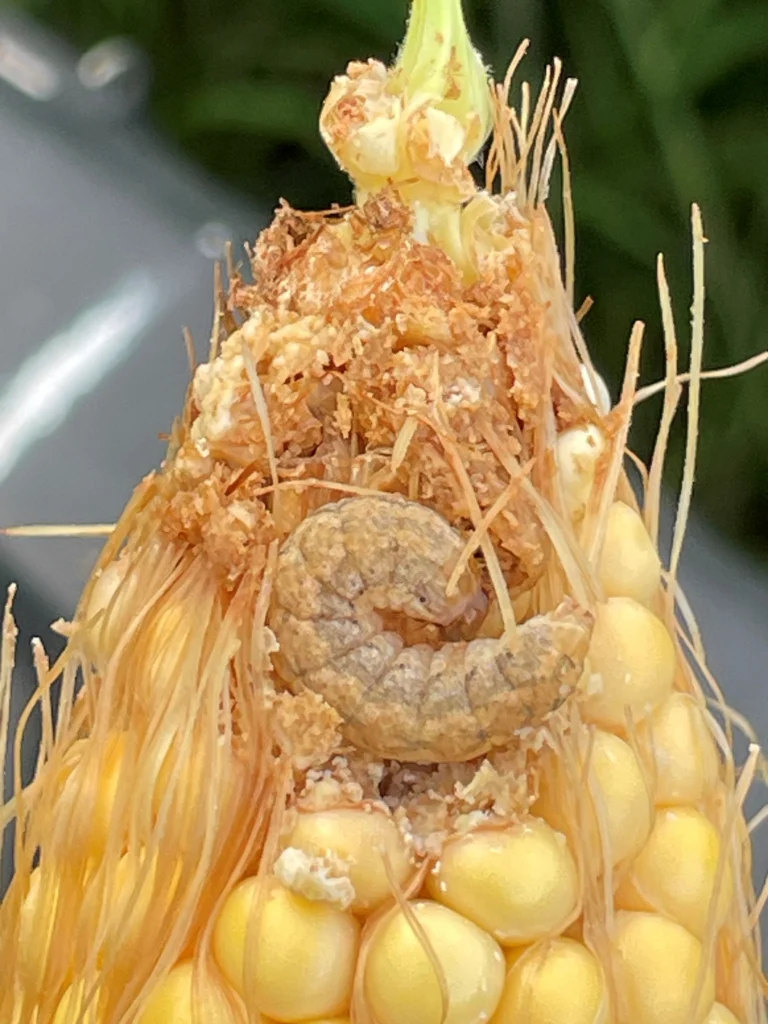
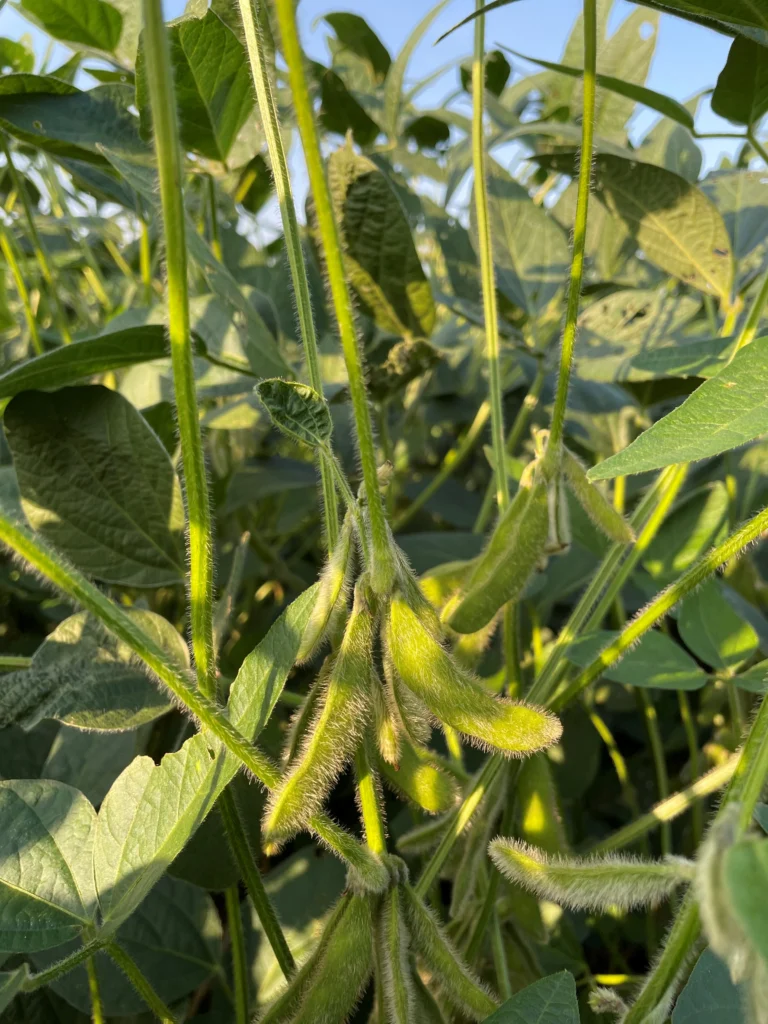
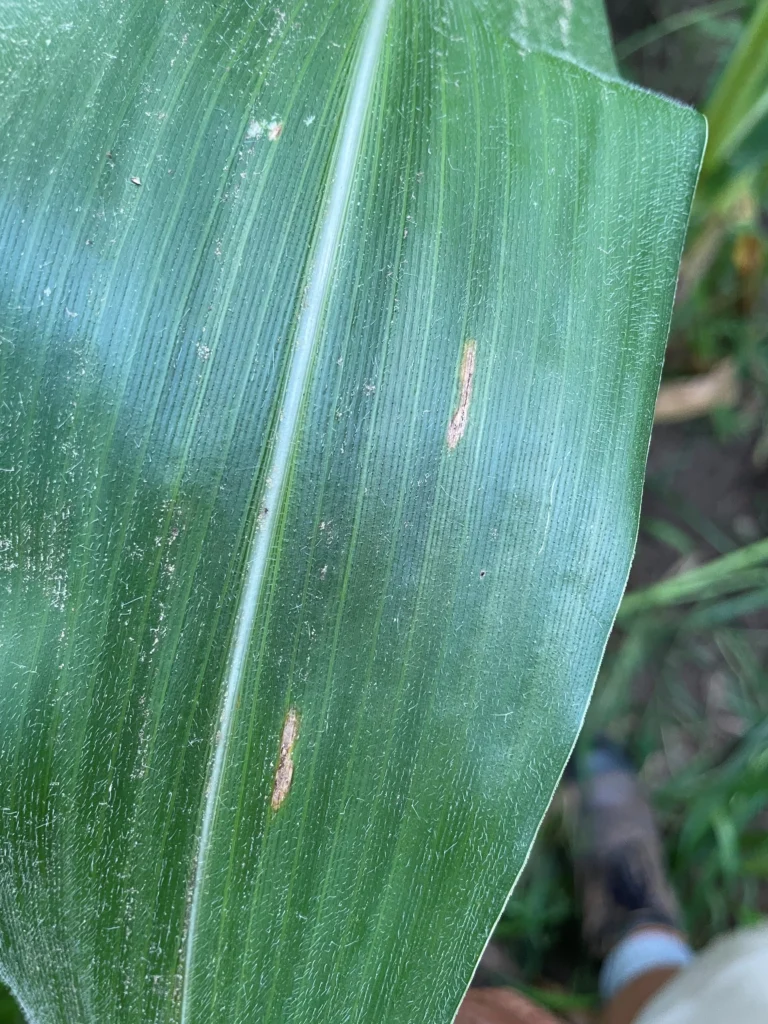
As we progress through the second half of the growing season for corn and soy, conditions have been mostly favorable for grain fill in the Northeast region. Most soy is at or near R5 also known as the beginning seed or beginning bean stage. As rapid seed fill begins later in this stage, the soy plant starts to remobilize nutrients from leaves and stems to meet the demand of pod fill. In fields visited, disease and insect pressure in the soy crop has remained very low. I have not come across red crown rot in soy fields visited, but reports have this emerging disease spreading in Illinois. It was announced this week that Illinois farmers can receive free red crown rot (RCR) testing thanks to the United Soybean Board and the Illinois Soybean Checkoff in partnership with the University of Illinois. If you suspect that you have RCR in your fields and would like confirmation, please consider sending diseased samples to the University of Illinois Plant Clinic in Urbana. While scouting R3 or milk stage corn, I noted white frass on a developing ear, almost always an indication of feeding by the corn earworm. The corn earworm is also known as the cotton bollworm and is a pest of several crops in addition to corn and cotton. The adult female corn earworm moth prefers to lay eggs on fresh silk. The hatched larvae follow the silk to the tip of the ear where they feed and produce excrement or “frass”. Larva inside the ear do not have effective insecticide control. While this pest is a challenging insect to control in sweet corn operations, it usually is a minor concern in yellow dent corn. As we diligently continue our foliar corn disease scouting, a slight uptick in gray leaf spot was noted, but fields I have visited are remarkably disease free at this stage compared to recent years.
EMAIL SIGN UP
Sign up to receive our newsletter for up-to-date news and offers directly in your inbox:
LINKS
FOLLOW FIELD ADVISOR

The Illinois Soybean Association (ISA) checkoff and membership programs represent more than 43,000 soybean farmers in Illinois. The checkoff funds market development, soybean production and government relations efforts, while the membership program, Illinois Soybean Growers (ISG) and the Illinois Soybean Growers PAC actively advocates for positive and impactful legislation for farmers at local, state and national levels. ISA upholds the interests of Illinois soybean farmers through promotion, advocacy, research and education with the vision of becoming a trusted partner of Illinois soybean farmers to ensure their profitability now and for future generations.
© 2026 Illinois Soybean Association
 and then