
Earlier planted soybeans continue to look better than later planted. Most growers believe the difference is largely due to the cold snap we saw in early May. Beans planted before that point emerged and grew rapidly. Beans planted after stumbled and have struggled to catch up since that point.
Fungicide application in beans has begun, but more growers seem to be questioning if the investment is worth the price. Some growers are adding untreated check strips to gauge if the investment has paid off enough to stay the course or if the investment has been less impressive. Should check strips display the latter, it seems that growers would be more prone to step back their total fungicide-treated acreage in the future rather than exiting the practice entirely.
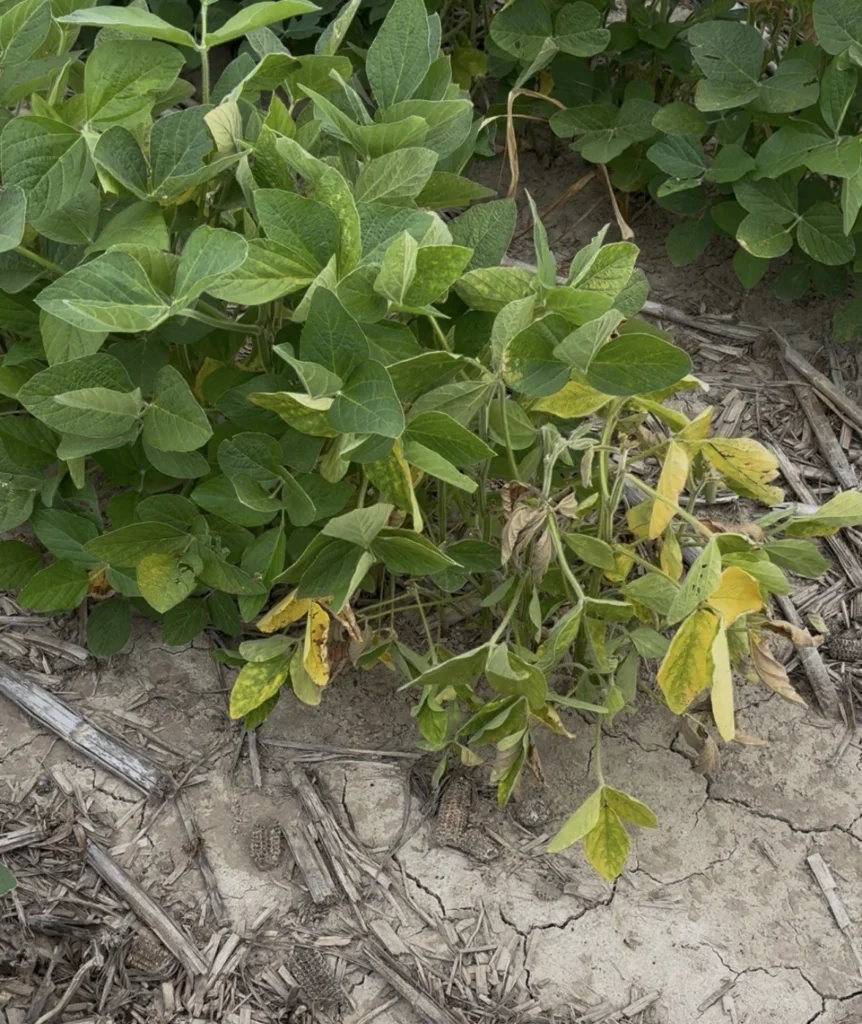
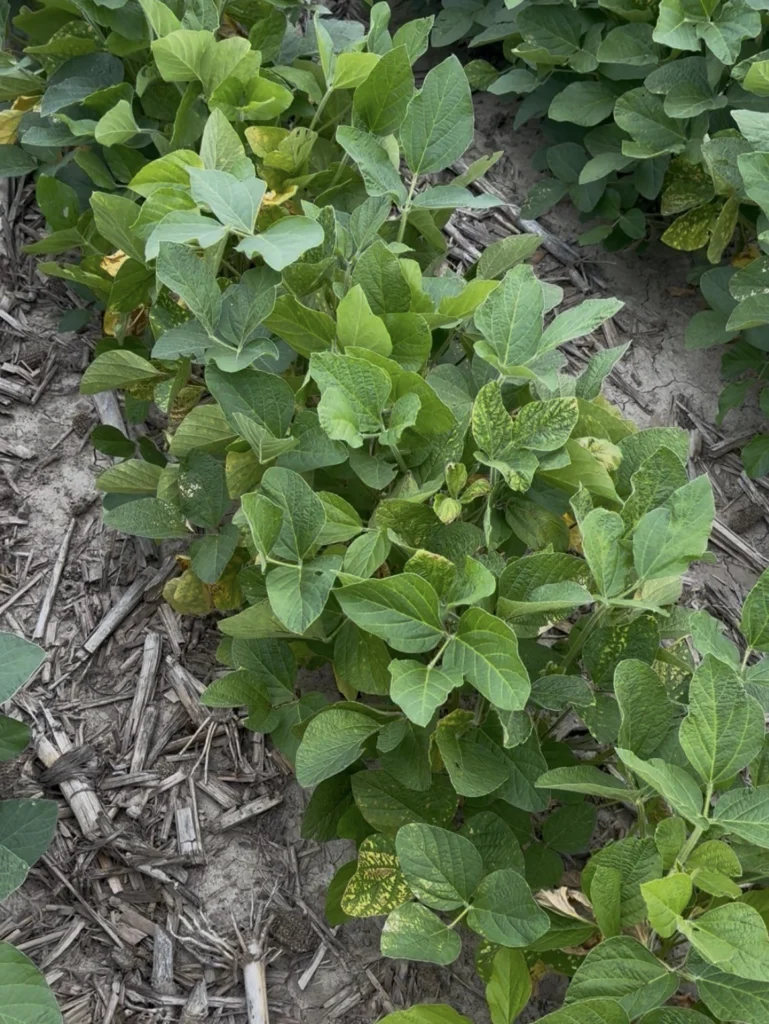
The most significant development in the soybean crop has been the sudden, early appearance of Red Crown Rot with reports coming in shortly after Independence Day.
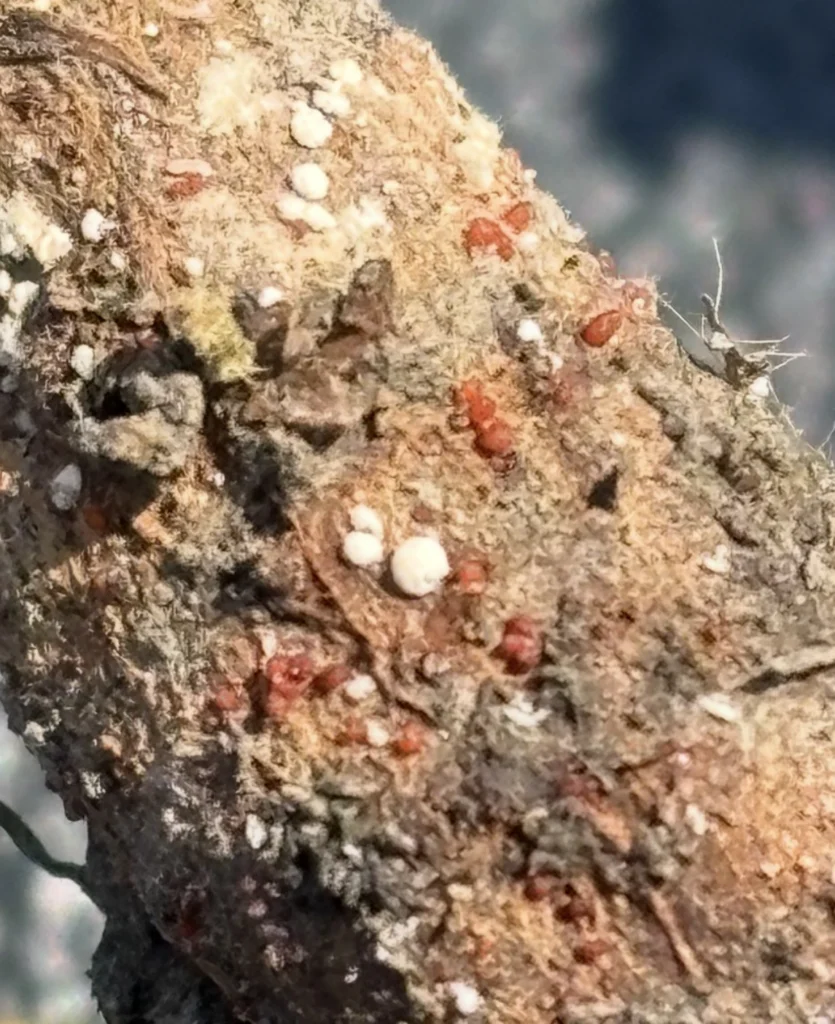
The very western portion of Region 4 (Pike County, Illinois) seems to be a focal point of such early and severe foliar symptoms. In some cases, nearly 25 percent of plants in an afflicted portion of the field display mottling, yellowing, interveinal chlorosis/necrosis, or outright plant death. The level of symptomology in some locations appears to be about 2 to 3 weeks ahead of previous seasons with perithecia (red fruiting structures) already evident on the lower stem and upper root material.
While much of this early and severe symptomology seems focused on the Pike County area, Red Crown Rot is appearing in other portions of the region as well. Growers across the region are watching and waiting to see if management techniques can withstand this early onslaught, and some other diseases run the risk of being misdiagnosed as RCR.
Double crop soybeans seem to have had enough moisture to get started well.
The corn crop has done a stellar job of establishing kernels. Pollination, despite some occasional tassel wrap, seems to have largely gone well. Gray Leaf Spot and Northern Corn Leaf Blight have begun to make an appearance, and fungicide applications are in full swing.
One senses a tangible shift toward much more drone fungicide application this season. It has not been uncommon to encounter drone trailers parked here and there across the countryside. In some locations, one has a gut feeling that drone-based applications may be surpassing aerial.
Herbicide misapplications continue to be reported in both crops at a level that seems to rise above and beyond previous experience. The industry will want to debrief and strategize following harvest to minimize issues next season.
EMAIL SIGN UP
Sign up to receive our newsletter for up-to-date news and offers directly in your inbox:
LINKS
FOLLOW FIELD ADVISOR

The Illinois Soybean Association (ISA) checkoff and membership programs represent more than 43,000 soybean farmers in Illinois. The checkoff funds market development, soybean production and government relations efforts, while the membership program, Illinois Soybean Growers (ISG) and the Illinois Soybean Growers PAC actively advocates for positive and impactful legislation for farmers at local, state and national levels. ISA upholds the interests of Illinois soybean farmers through promotion, advocacy, research and education with the vision of becoming a trusted partner of Illinois soybean farmers to ensure their profitability now and for future generations.
© 2026 Illinois Soybean Association

 and then