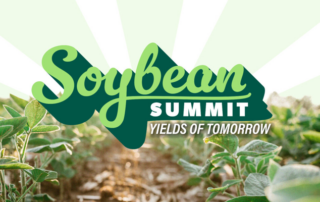
Register Today for Soybean Summit on February 1st
Join Illinois Soybean Association at the annual Soybean Summit in Champaign for the latest in soybean production. Attendees will be updated on cover crop trends, secrets to high-yield soybean farming, 2024’s chemical supply chain, and soybean pest management. Register today!
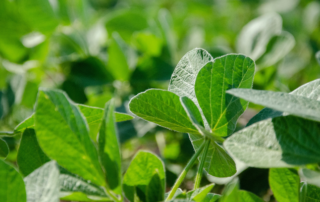
Comparing Direct Costs of Soybean Production in the United States and Brazil
The direct costs of soybean production in the Brazilian State of Mato Grosso have increased at a similar rate to those in Illinois since 2016. Direct input costs in Brazil reached record levels for the 2022/2023 crop season and are projected to decline for the 2023/2024 crop season. Overall, the direct costs to produce soybeans have been higher in Mato Grosso than in Illinois. Today’s article compares trends in the direct costs of soybean production in major production regions of Brazil and the United States, the world’s largest soybean producers and exporters.
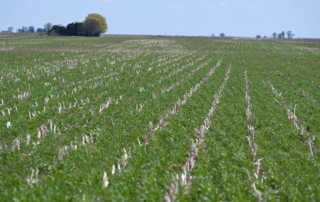
IDOA “Fall Covers for Spring Savings” Crop Incentive Program Returns
Applications Accepted Starting December 15 with New Opportunity for Pre-Enrollment.
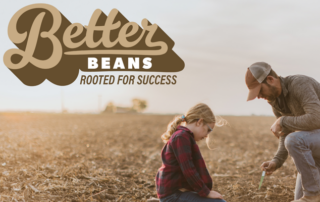
Register Today for 2024 Better Beans Series!
Prepare for a successful 2024 growing season with the Illinois Soybean Association (ISA) by attending a half-day Better Beans event in your area. The ISA Agronomy Team alongside university researchers and agronomy experts will deliver regional insights on a range of topics, from conquering weed challenges and managing diseases to optimizing soil health.
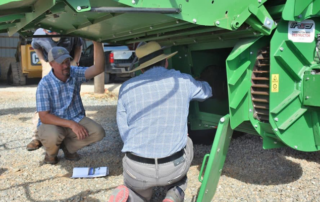
Join a GROW Farmer Forum on Using Seed Impact Mills for Weed Control
Listen in as three U.S. farmers explain why they decided to install seed impact mills on their combines to help manage weeds on their operations and learn how this new technology is working for them.
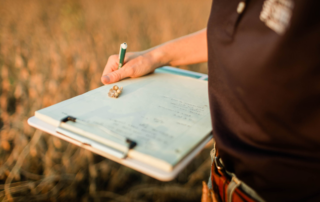
The Rising Costs of Soybean Production in Illinois
Since 2000, the direct costs associated with soybean production in central Illinois have increased at an average annual rate of 5.4%. The costs associated with primary inputs have grown at average annual rates slightly above the total direct cost average, while other direct costs have increased at average annual rates slightly below the direct cost average.
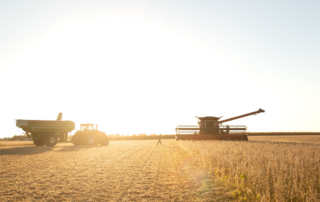
USDA Surveying Illinois Farm Chemical Use and Production Costs
USDA NASS is gathering information about crop production practices from producers across Illinois, as part of the 2023 Agricultural Resource Management Survey. Responses will help ensure that accurate use rates of necessary crop protection products will be widely available for producers.
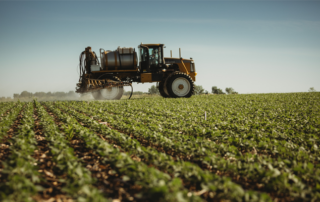
Protect Farmer Access to Pesticides
Pesticides and other crop protection tools are essential for sustaining agriculture. However, these vital resources are under threat by off-farm political interests. Join Illinois Soybean Growers in opposing the EPA Herbicide Strategy and sign the petition to protect these crucial tools for farmers.
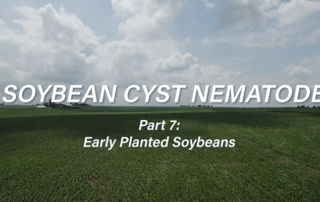
Early Planted Soybeans & SCN
IL farmers continue to plant soybeans earlier each year. Dr. Mandy Bish, University of Missouri Extension Specialist, examines the impact of this trend on soybean cyst nematode (SCN) and considers various factors, including weather and environmental conditions, that could potentially increase soybean vulnerability to SCN.
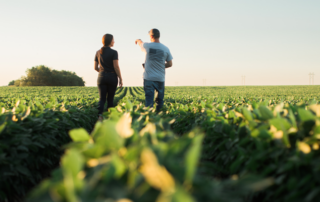
I Believe In the CCA Program
ISA Soy Envoy, Karen Corrigan, discusses various criticisms directed towards the Certified Crop Adviser (CCA) program and highlights the importance of CCAs in the agronomy profession.

 and then