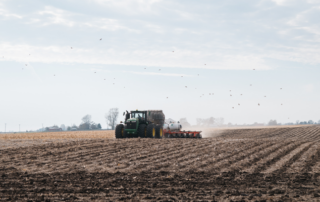
Fertilizer Outlook and Chemical Supply Chain Update for the 2024 Growing Season
During the recent Soybean Summit, Kevin "KJ" Johnson, President of the Illinois Fertilizer & Chemical Association, shared his outlook on the fertilizer industry and provided updates on the chemical supply chain for the upcoming growing season.
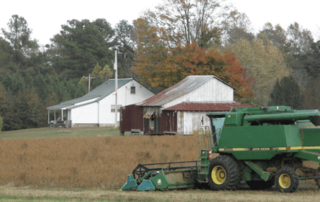
Integrated Weed Management Maybe the Answer to Herbicide Resistance
Herbicide resistance poses a significant challenge for farmers, prompting the need to explore diverse strategies for weed management. In this episode, Michael Flessner and Karen Corrigan discuss GROW's (Getting Rid of Weeds) comprehensive approach, emphasizing collaboration, research, and outreach for greater diversity of weed control strategies to complement chemical use.
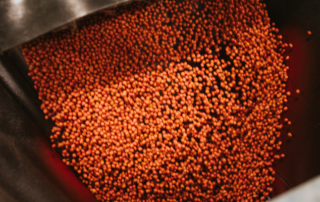
Neonicotinoid Seed Treatments: What Does the Research Tell Us?
Join the Illinois Soybean Growers webinar, April 10, 7-8am CT, reviewing research on neonicotinoid seed treatments. Learn about insect control efficacy, impacts on soybean and corn yields, and environmental effects.
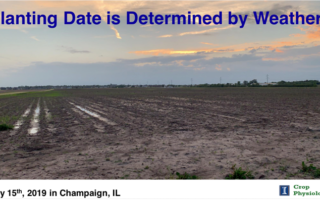
Soybean Success, No Longer a Secret
Dr. Connor Sible discusses the latest findings from the University of Illinois Urbana-Champaign Crop Physiology Lab related to soybean planting dates, cover and double crop management, and optimizing fertilizer use efficiency to bring yield and ROI to soybean production.
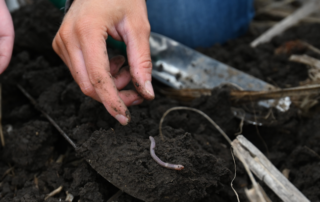
Illinois Sustainable Ag Partnership Seeking Applicants for Soil Health Leadership Program
Farmers, advisors and conservation professionals looking to sharpen their skills and further Illinois’ stewardship practices are encouraged to apply for the Illinois Sustainable Ag Partnership’s (ISAP) Soil Health Leadership program. The sessions will cover various topics, including soil structure and function, nutrient management, soil biology, cover crop selection and techniques, equipment setup, field demonstrations, and communication strategies.
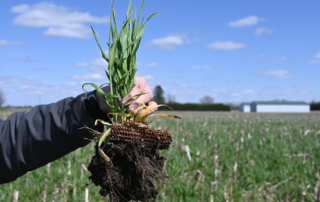
Cover Crop Update from Across the State
Dan Schaefer from the Illinois Fertilizer and Chemical Association, and Jim Isermann from the Illinois Sustainable Ag Partnership, join Abigail Peterson from the Illinois Soybean Association to provide an update on cover crop initiatives across Illinois in a panel discussion.
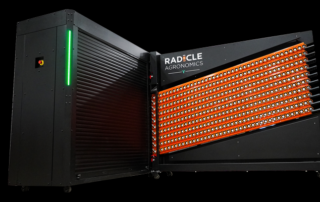
Radicle Agronomics with Eli Sloneker
Join Kelsey Litchfield and Kelly Robertson as they chat with Eli Sloneker from Precision Planting about Radicle Agronomics, a system aiming to change soil nutrient management in farming. Eli provides an overview of Radicle Agronomics and its availability, while Kelly asks some technical questions about GeoPress's role in expediting soil sampling.
Conservation Finance for Farmers: Understanding Conservation Funding Opportunities
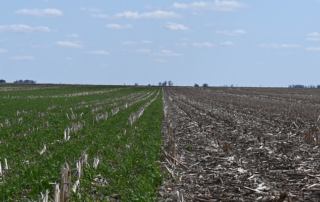
Kris Reynolds from American Farmland Trust shares information on various conservation funding opportunities available to farmers, including IRA funding, Partners for Conservation, and Partnerships for Climate Smart Commodities.
Weed Control for Early Planted Soybeans
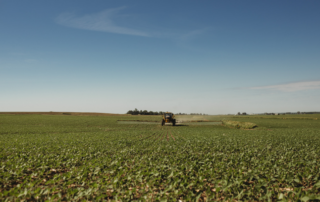
Dr. Hager's research found the most reliable weed control program for early planted soybeans involves a full rate of PRE plus POST herbicide application, while reducing PRE rates often leads to variable weed control. Delaying PRE herbicide application increases the risk of weed emergence before treatment, highlighting the importance of integrating both PRE and POST applications to minimize weed competition with soybeans and reduce seed return to the soil seedbank.
Combating Soybean Cyst Nematode With Advancements In Genomic and Breeding Technologies
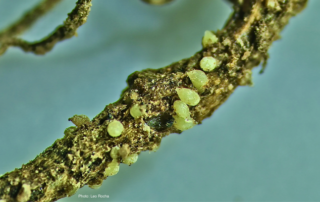
Learn about the evolving threat of soybean cyst nematode (SCN) and how researchers are tracking genetic changes in worm populations in response to soybean hosts. Dr. Matthew Hudson and Dr. Andrew Scaboo discuss SCN genome insights and innovative strategies using native genes against resistant SCN variants, such as those in PI 88788 and Peking.


 and then