Winter Barley: A Natural Way to Suppress Weeds
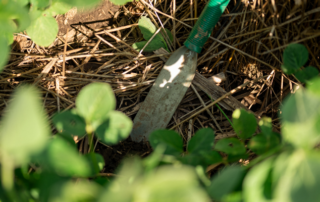
Research from Southern Illinois University indicates that switching to winter barley could suppress weeds with less biomass than cereal rye.
Why Wheat?
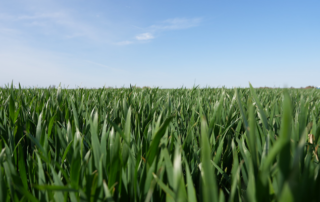
Abigail Peterson shares how a wheat field in her own backyard served as a real-world example of how crop rotations can evolve to meet agronomic and economic goals.
Is “FOMO” Driving Decisions on Your Farm?
With constant exposure to new products, free trials and influencer recommendations, how can growers separate what truly pays from what is simply popular?
Supporting Illinois Crop Management Decisions
Deanna Burkhart outlines on-farm trial opportunities in the management of cover crops, double-crop, insecticides and sulfur for the upcoming growing season with the Illinois Soybean Association.
The Economics of Soy and Sulfur
Darby Danzl reinforces the importance of evaluating sulfur not only from a yield standpoint in soybean fields but also through an economic lens.
Upcoming Webinar: Trash or Treasure? Maximize the Value of Your Residue
What some call “trash” in the field may actually contain the nutritional value needed to feed next year’s crop. Hear Dr. Connor Sible and Ava Isaacs review the data and recent Illinois trial work on March 10.
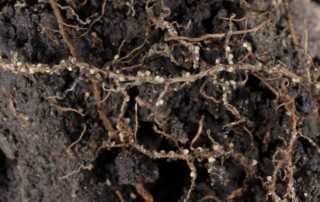
Improving the Soybean Cyst Nematode Fight Through Genetic Advancements
With support from the Soy Checkoff, scientists are stacking resistance genes and exploring new strategies to outsmart soybean cyst nematode while continuing to feed the soybean genetic pipeline.
Risk On or Risk Off?
As La Niña fades and drought lingers, Matt Reardon breaks down what current ocean signals and winter conditions could mean for the Midwest growing season.
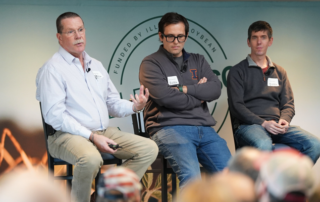
Soybean Integrated Pest Management Discussion
From insect pressure to disease development and weed control, learn how University of Illinois faculty and Extension experts tackle in-season soybean challenges with ROI in mind.
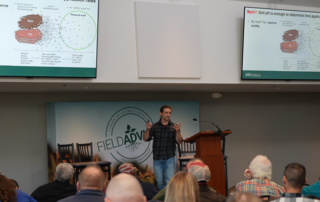
Updating Liming Recommendations for Illinois Croplands: Buffer pH Tests and Lime Rate Calibrations
At the 2026 Field Advisor Forum, Dr. Andrew Margenot revisits long-standing lime and soil pH recommendations, offering new Illinois data that may help fine-tune lime rate decisions.


 and then